Channels

Siri isn’t state of the art, but as long as it works — and it appears it does — it’s good enough for the consumer market.

Kicking out Palantir, experts warn, may not solve the problems its Federated Data Platform has created.

The one where I reject JavaScript UI libraries

Codecov’s unreliability breaking CI on my open source projects has been a constant source of frustration for me for years. I have found a way to enforce coverage over a whole GitHub Actions build matrix that doesn’t rely on third-party services.
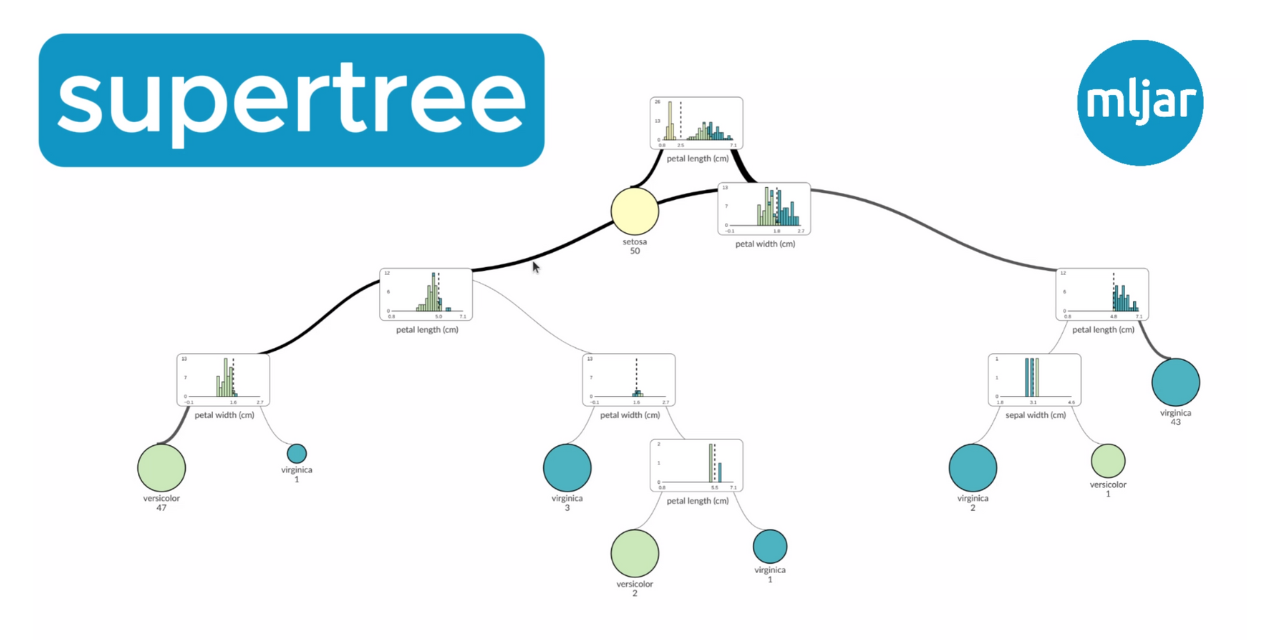
Visualize decision trees in Python. Contribute to mljar/supertree development by creating an account on GitHub.

Human review of Terraform plans doesn’t scale, and AI review isn’t deterministic enough for production. Here’s how we use conftest to auto-apply plans that meet an explicit, testable policy.
Know instantly when your site goes down. Alerts via Telegram, Discord, Slack or Email. No server, no Docker. Setup in 2 minutes.
Former detainees detail systematic torture and sexual violence, including rape, while in Israeli custody.

Generate Mermaid architecture diagrams from any GitHub repo or local codebase using AI. Free to start with 1000 credits.

The Problem My self-hosted Jellyfin was slow whenever I connected to it from abroad over Tailscale. My ISP upload is about 500 Mbit/s, but streams stuttered and iperf3 over the tunnel only managed ~10 Mbit/s: $ iperf3 -c jellyfin-host [ 5] 0.00-10.00 sec 11.9 MBytes 10.0 Mbit/s It wasn’t a relay or routing issue — tailscale status showed a direct connection (not a DERP relay): $ tailscale status 100.xx.xx.xx jellyfin-host linux active; direct xx.xx.xx.xx:41641 So: direct, low-latency, half a gigabit of upload available — and still only 10 Mbit/s for a single stream.