I've been running a lot of comparative evals across recent model releases—both API and open-weight—and there's a pattern I can't unsee. After a certain number of turns, or when you push into niche territory, the outputs start converging. Same cadence. Same hedging phrases. Same blind spots. It's not full collapse. It's a kind of... homogenization. A creep. My working theory: we're deep enough into the synthetic data flywheel now that we're seeing the first-generation effects. Not model collapse in the catastrophic sense, but a gradual loss of "texture" across models that share overlapping synthetic ancestry. I've been calling this EchoCreep in my notes. The slow, creeping homogenization of model behavior driven by shared synthetic data lineage. Has anyone else been tracking this? Is there a formal term yet? If not, what are you seeing in your evals that fits this pattern? I'm especially interested in: Concrete eval metrics that might capture it Whether fine-tuning on entirely human-curated data clears it If you've seen it worsen between checkpoint versions any feedback would be appreciated? Thanks submitted by /u/BCondor3 [link] [Kommentare]

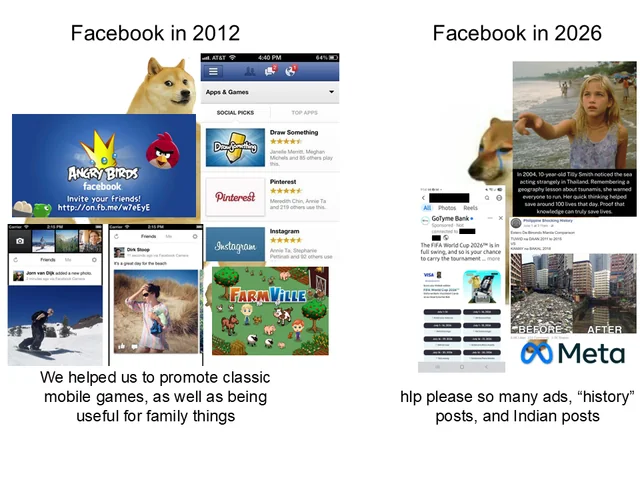

Building meaningful relationships with customers through support didn't turn out as I'd hoped


Instead, buy domestic product, and out in the open.

Pastebin.com is the number one paste tool since 2002. Pastebin is a website where you can store text online for a set period of time.

A year ago, I wrote about the revenge of the generalist.
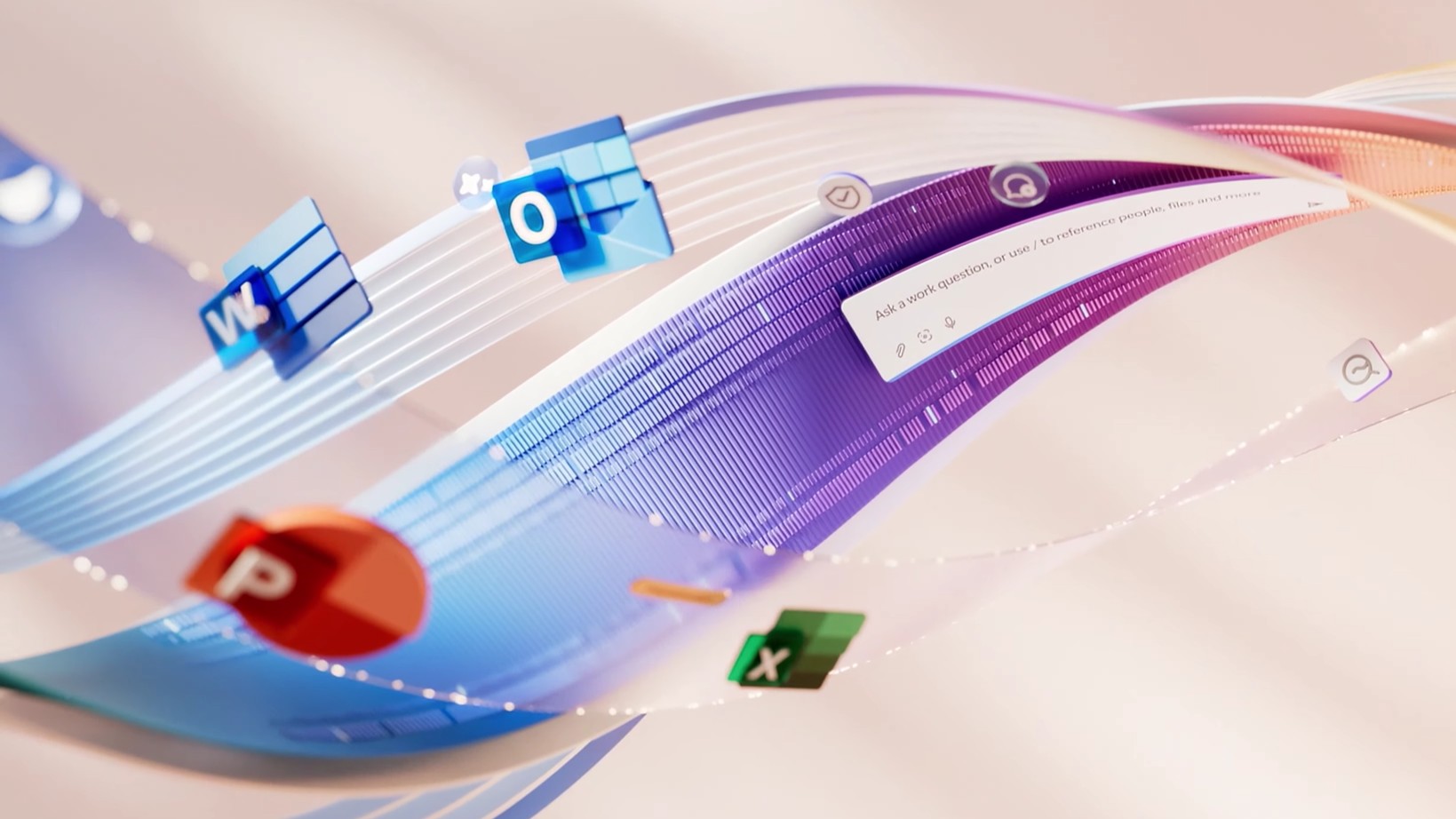
Microsoft 365 price hike hits July 1, 2026, with increases up to 43% as Microsoft bundles Copilot and Security Copilot into paid tiers.

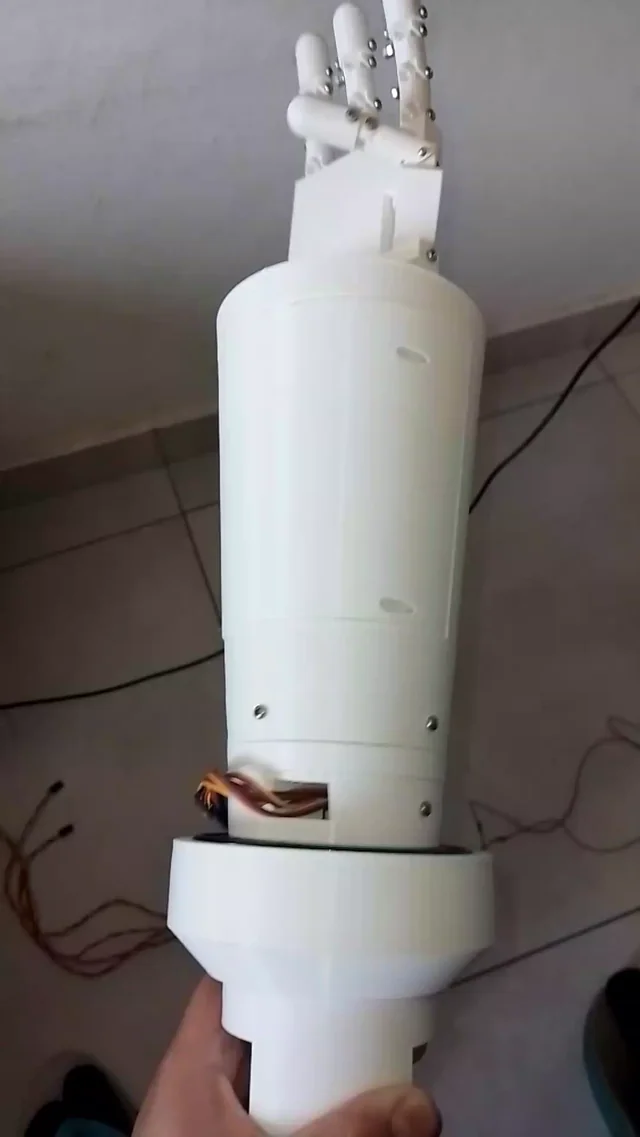
Olá a todos! estou construindo meu próprio robô humanoide em tamanho real do zero. Este é o protótipo atual do antebraço, cotovelo e mão. Para a mão, fiz engenharia reversa do mecanismo dos dedos usado no robô InMoov e o recriei usando parafusos em vez do projeto original. Os dedos são acionados por servos que puxam linha de pesca, que funciona como tendões artificiais. O mecanismo de rotação do antebraço usa um rolamento 6916-2RS e projetei todas as peças mecânicas no Fusion. Esta versão é apenas um protótipo. Ela é impressa em PLA e montada com parafusos zincados para manter os custos baixos durante os testes. A versão final será impressa em PETG e usará parafusos de aço inoxidável, insertos de latão termofixados e porcas autotravantes de nylon (porcas Nyloc) para maior resistência e durabilidade. Infelizmente, ainda não consigo demonstrar todos os movimentos porque um dos canais do meu testador de servos está com defeito, então só consigo testar dois servos por vez em vez de três. Agradeceria muito qualquer feedback ou sugestão. Estou aprimorando o projeto passo a passo antes de construir o robô humanoide completo. submitted by /u/Lonely-Advisor-8990 [link] [Kommentare]