 D
↗
D
↗
Felix Rieseberg, quite obviously, is the answer to the question why Claude is an Electron app. It’s like wondering why all the screws in a building were hammered into the walls, and then finding out that the guy who oversaw construction founded and co-owns the world’s biggest hammer manufacturer.
 Y
↗
Y
↗
AI Writing differs from coding because it's consumed by different stakeholders. One is a computer running the code; the other is a real human being.
 S
↗
S
↗
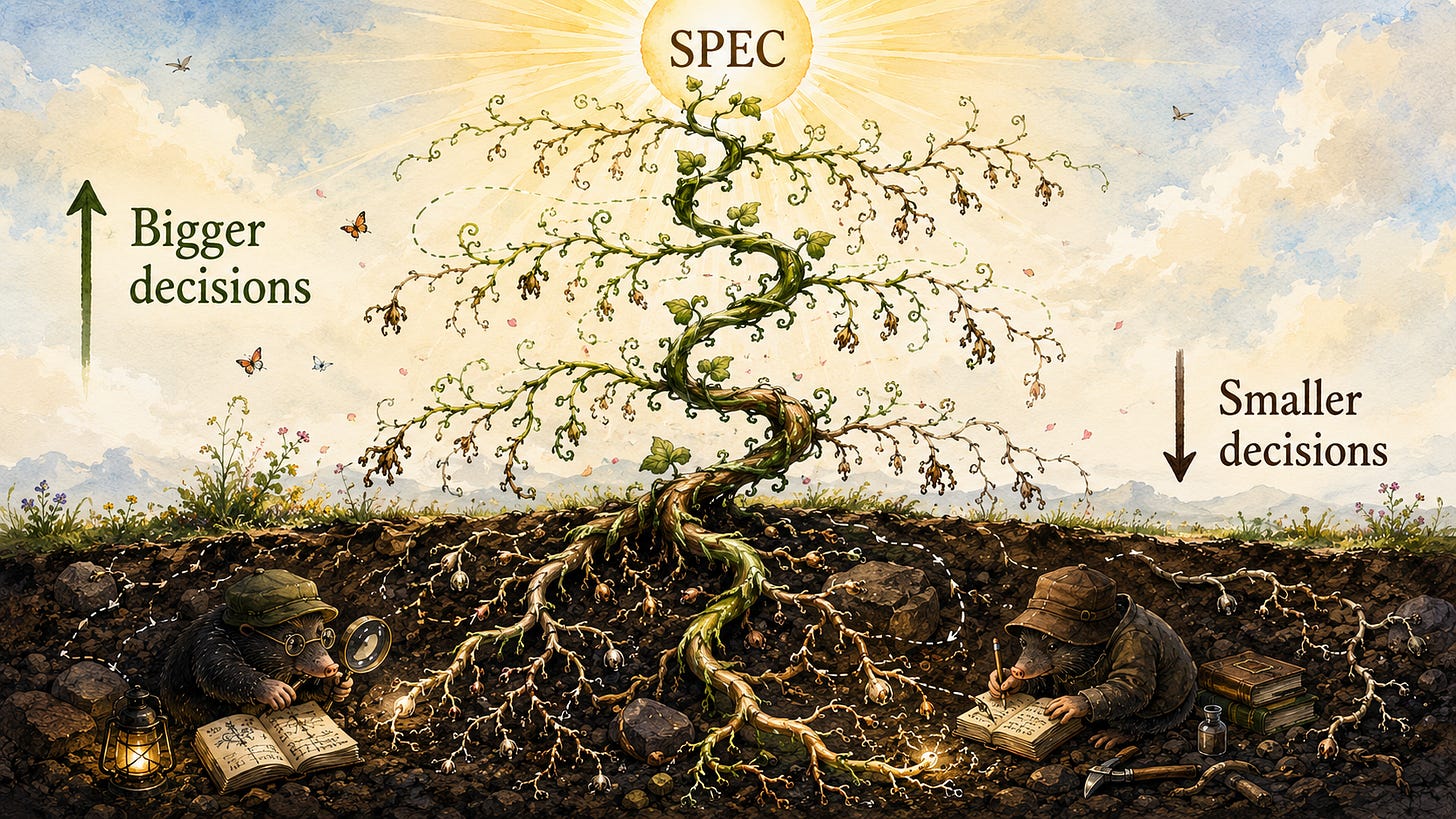
AI coding tools are facing a major handicap in using popular languages.
 H
↗
H
↗
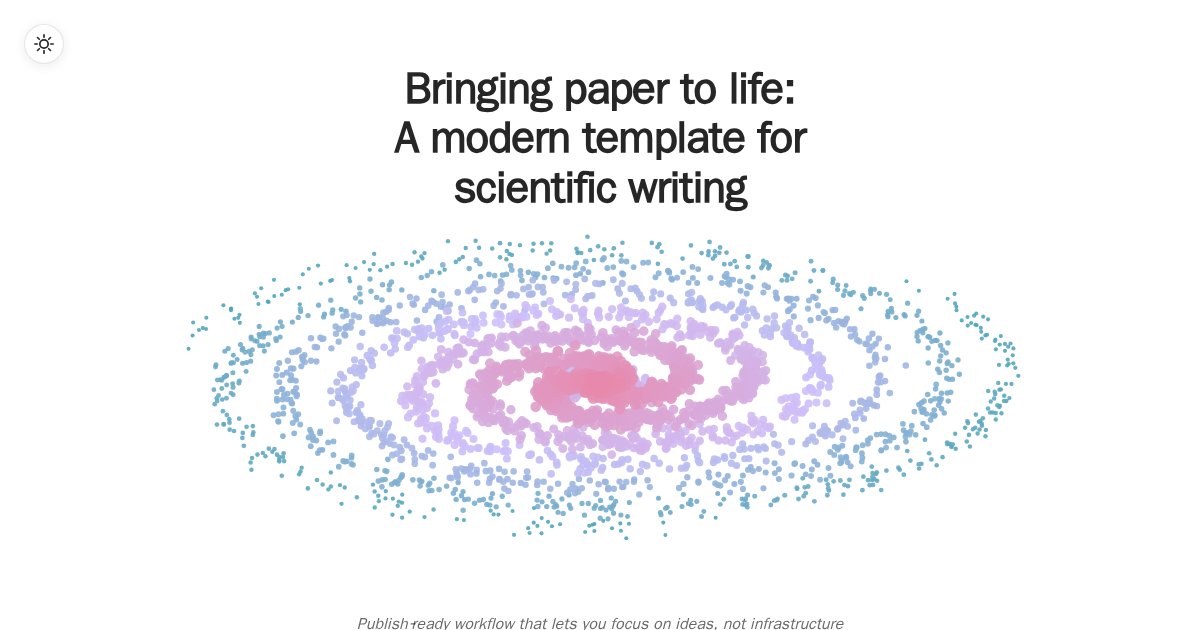
Evolving an agent's harness, not its model, on Harvey's LAB
 X
↗
X
↗
dear @Reddit i'm writing to let you know that my personal information is none of your business, nor that of any eu totalitarian institution. so if push comes to shove, thanks for the fishes and godspeed!
 K
↗
K
↗
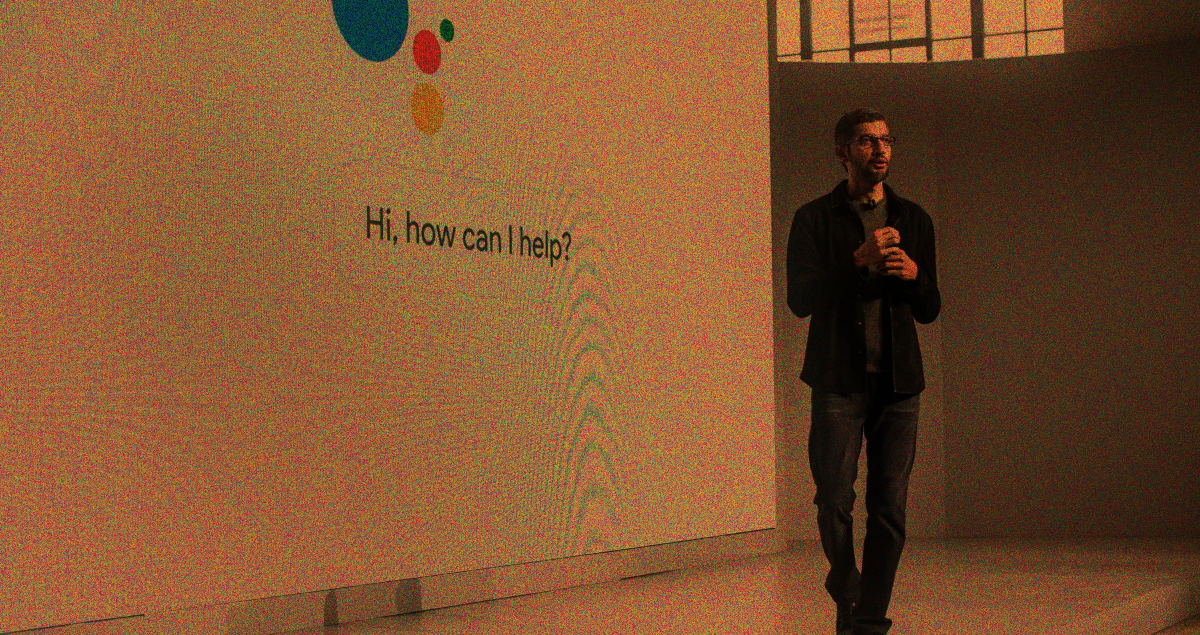
Google’s latest report reveals a completely unprecedented rise in energy consumption – more than any of us expected. Generative AI is a climate carbon bomb.
R
↗
I am a mid to late stage PhD student in ML. I've known this before, but only recently I started feeling this urgently: my mathematical foundations are shaky, because I kept "learning-things-as-I-go" when working on various problems. I likely have only a year or two left until I graduate, and before I do so, I want to really dedicate some time and focus to brush up on the fundamentals. Primarily, I want to improve my knowledge in Linear Algebra, Probability Theory, and Functional Analysis. For Lin. alg., I am looking at "Linear Algebra done right", and I think this book is sufficient for the topic, unless anyone thinks otherwise. I am not sure where to start for probability, as well as functional analysis. Rudin's books give me headaches. I instead started reading "A primer on RKHS" (https://arxiv.org/abs/1408.0952) to "dip my toe" into functional analysis. Apart from the above, I might re-read PRML book (I've only read specific chapters before), and try to finish Pat Kidger's Just-Know-Stuff list (https://kidger.site/thoughts/just-know-stuff). Thoughts? Anyone have any book/resource recommendations? Someone told me to look into "the bright side of mathematics" on YouTube, anyone ever go through the videos there? I'm aware finding good, digestible resources is less than 10% of the challenge. The difficult part is sticking through and actually reading/working through these topics, while still juggling other academic responsibilities. submitted by /u/mvreich [link] [Kommentare]
 R
↗
R
↗
REPS nutzt kinetische Energie aus dem Fahrzeugverkehr direkt in der Straßeninfrastruktur und wandelt verloren gegangene Dynamik in sauberen Strom für Häfen, Logistikzentren und Autobahnen um.