 C
↗
C
↗
Overview of new features and behavior changes in Claude Sonnet 5.
 M
↗
M
↗
It might mean the eyes could still see when transplanted into the recipient, say the scientists behind the work.
 A
↗
A
↗
Chip placement is a critical step in physical design. While reinforcement learning (RL)-based methods have recently emerged, their training primarily focuses on wirelength optimization, and therefore often fail to achieve expert-quality layouts. We identify the reward design as the primary cause for the performance gap with experts, and instead of formalizing intricate processes, we circumvent this by directly learning from expert layouts to derive a reward model. Our approach starts from the final expert layouts to infer step-by-step expert trajectories. Using these trajectories as demonstrations or preferences, we train a model that captures the latent implicit rewards in expert results. Experiments show that our framework can efficiently learn from even a single design and generalize well to unseen cases.
 V
↗
V
↗
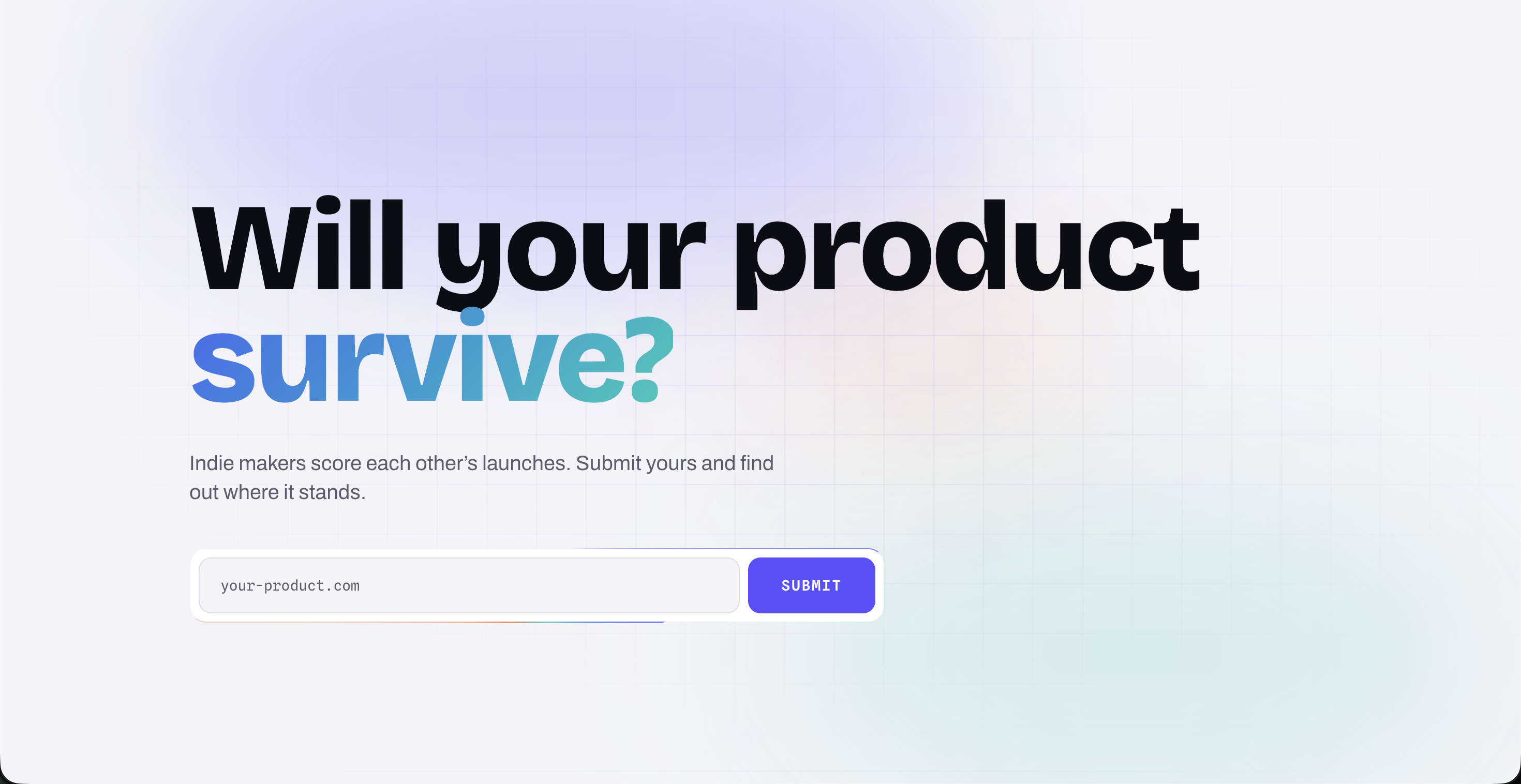
Submit your product. Review other launches. Compete for validation.
 B
↗
B
↗
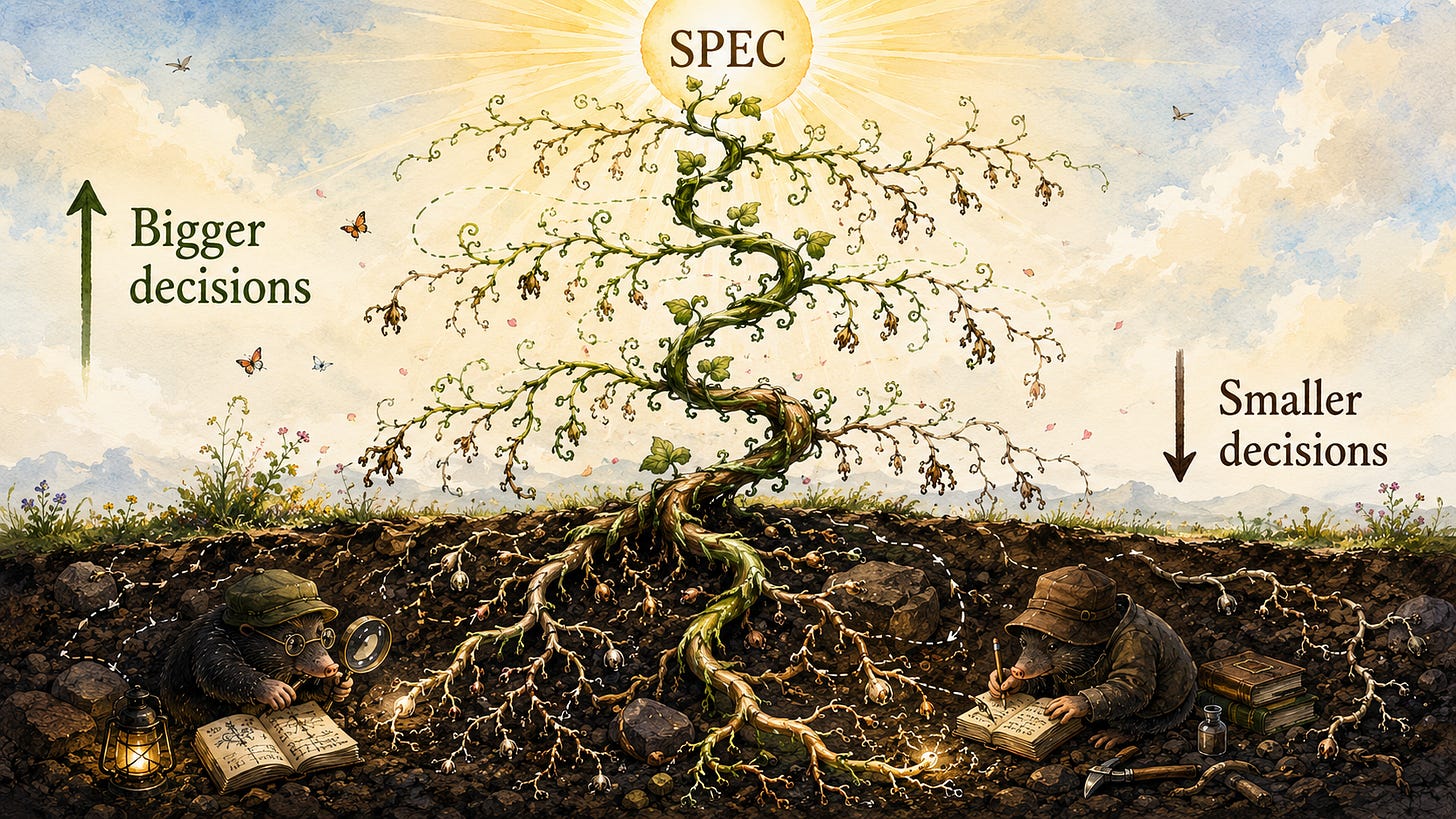
Keep the orchestrator dumb There is a quiet assumption running underneath most agent architectures right now: that the path to capable syste...
 D
↗
D
↗
Felix Rieseberg, quite obviously, is the answer to the question why Claude is an Electron app. It’s like wondering why all the screws in a building were hammered into the walls, and then finding out that the guy who oversaw construction founded and co-owns the world’s biggest hammer manufacturer.
 Y
↗
Y
↗
AI Writing differs from coding because it's consumed by different stakeholders. One is a computer running the code; the other is a real human being.
 S
↗
S
↗
AI coding tools are facing a major handicap in using popular languages.