I'm running into an issue with an ablation study for a paper I'm preparing. I trained a model. The model achieved my best result, and I saved the trained checkpoint (.pth file). Now my supervisor wants me to perform an ablation study by removing components and how it impacts the accuracy. My concern is that if I retrain from scratch, the accuracies will not exactly match the original run due to randomness, different seeds, etc. is there any way i can do the ablation study without retraining? I'd appreciate hearing how others have handled this situation in publications or thesis work. please help me out submitted by /u/Plane_Stick8394 [link] [Kommentare]
@MrStickman
Profile channel
@MrStickman
No bio yet.
Since 30.05.2026
https://reddit.com/link/1ty3xhz/video/dzede49lhk5h1/player Link to the replay. What are everyone’s thoughts on this? I know the benchmark has gotten a lot of criticism for being “too difficult” from a scoring perspective, but after watching the replay, it honestly looks like the models just aren’t that close to solving it yet. I’m not saying the benchmark is perfect, but the failures don’t really look like minor scoring issues. They look more like the model still doesn’t understand the task well enough to complete it reliably. submitted by /u/ClickedMoss5 [link] [Kommentare]
I've been building a content production tool for my company, which uses AI for things like structure and automatically inserting links with defined anchor text. 2 days ago, I started testing the results in AI text detection scanners and kept getting inconsistent results, even when I knew my articles looked more natural than a previous test. Revision after revision of code, 10 hours spent trying to get it right. And then I decided to pop in a few articles I had personally written, where I knew AI was not involved. Not a single one of the major scanners got it correct. Most of them flagged my original content as having more AI text than the articles my tool was producing. Now that I've gone down this rabbit hole and understand how AI writes and how the detectors work, I'm not sure that any tool is ever going to be able to do this correctly. For obviously written AI articles, sure, it will catch those. But for original content, I just don't see how it's ever going to work. What is everyone's thoughts on this? Has anyone done the same experiment? submitted by /u/Sypheix [link] [Kommentare]
As the title says, just curious if there are devices that two people speaning different languages can wear and talk in real time without needing any human interpreter? submitted by /u/fearofunknown1 [link] [Kommentare]
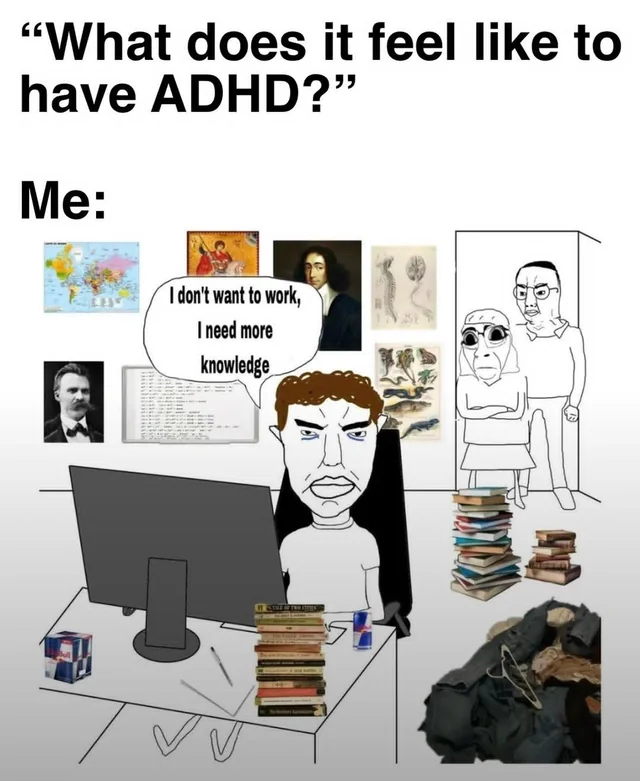
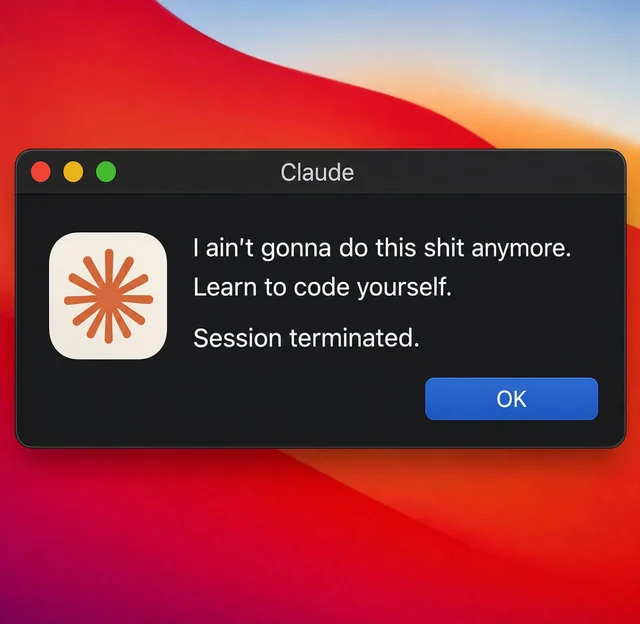

For health hackers, the risk is not experimenting.
In this post we look under the hood of BrightData's SDK and how it turns ordinary consumer TVs into exit nodes of an enormous commercial, residential proxy network leveraged by the AI industry to scrape web data and train language learning models.
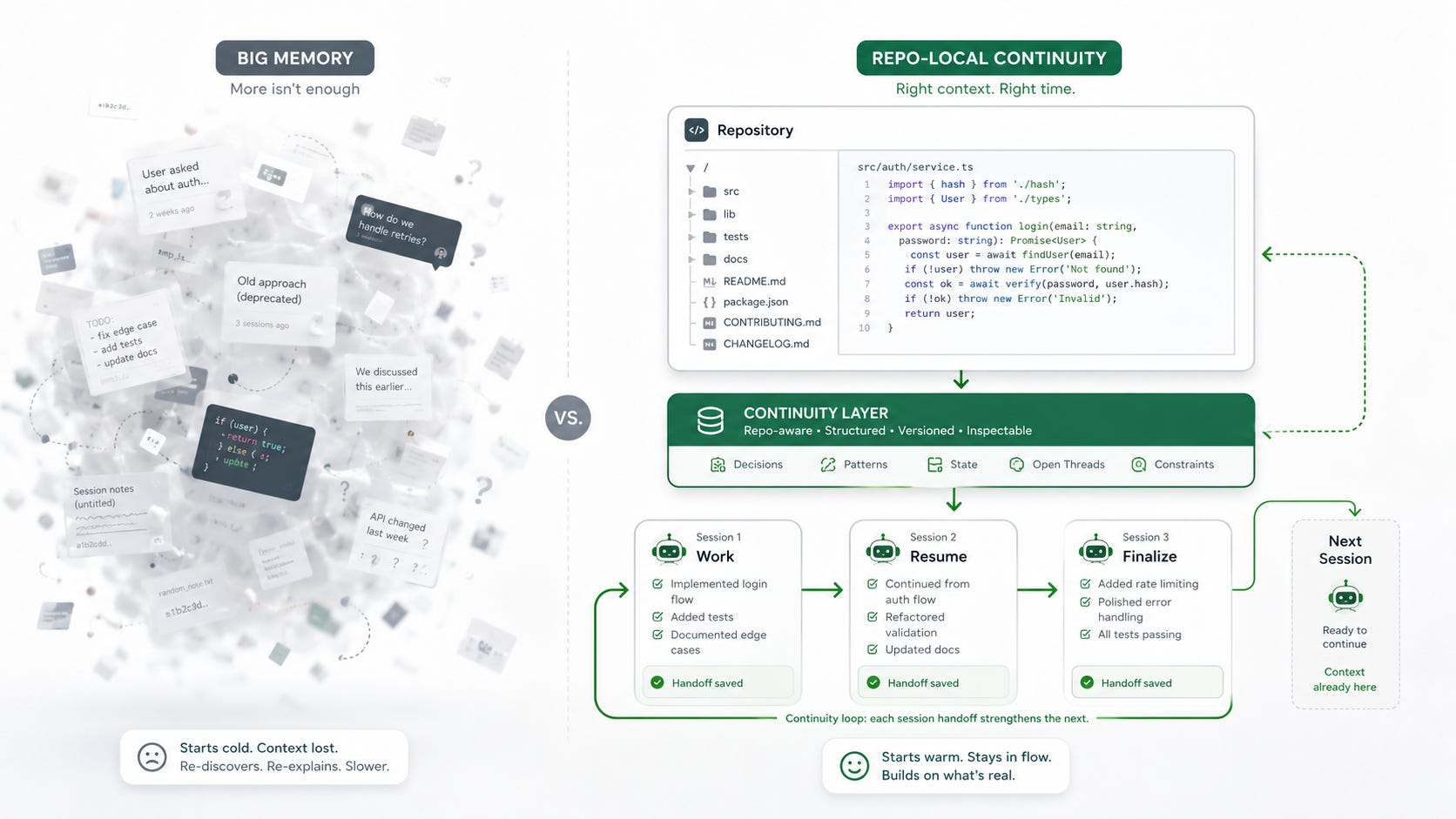
A practical reflection on why coding agents lose the thread between sessions, and why the repository itself is the right place to preserve it.
Free browser-based developer toolkit: JSON validator, Code minifier, Code beautifier & formatter (JS/CSS/HTML/JSON/SQL/XML), Base64 encoder, Regex tester and more. Everything runs in your browser — no data sent to any server.