 M
↗
M
↗
Uma das principais tarefas de um engenheiro que ocupa uma cadeira de Staff ou Especialista é transformar desejos abstratos das camadas executiva e estratégica em dados e tarefas palpáveis, que possam ser direcionados aos times de engenharia de forma tangível e metrificável. Durante meu primeiro ano na cadeira de Staff, enfrentei diversos desafios que foram muito mais árduos do que deveriam ter sido, justamente por não ter essa clareza de visão. Eu sempre considerei direcionamentos como “Precisamos melhorar o login”, “Nosso checkout está lento”, “A experiência do usuário está ruim”, “Precisamos escalar a plataforma”, “Temos que reduzir incidentes” e “A arquitetura precisa ser mais resiliente” sinais de despreparo da liderança. Mas não eram. Era o exercício do meu papel que estava sendo solicitado naquele momento.
 C
↗
C
↗
As with so many other cancer trends we have been watching over the last couple of decades, skin cancer trends have also been increasing at rates that don’t seem to make sense given the public wide campaign and uptake of sunscreen use.
 R
↗
R
↗
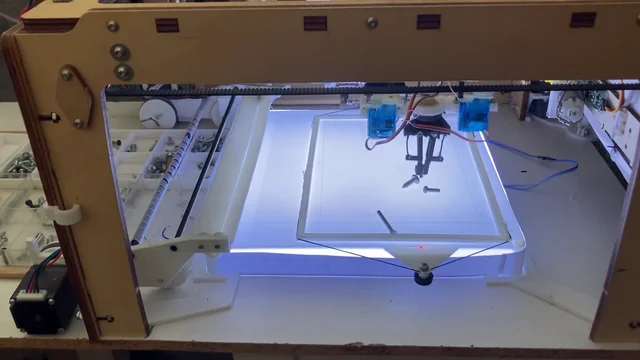
Not trying to advertise, but I’m sharing what we build because I genuinely believe it’s incredibly cool. Currently, we’re using it as a skin for robotics, primarily for tactile data collection. However, our long-term goal is to make it the skin layer for robots. submitted by /u/Sea-Lab-1972 [link] [Kommentare]
R
↗
I've been spending more time reading about robotics projects lately, and one thing that keeps surprising me is how much of the challenge seems to be software and infrastructure rather than the physical robot itself. When people talk about robotics, the conversation usually focuses on sensors, motors, and hardware design. But once you start looking deeper, there are things like AI models, data pipelines, edge computing, security, and system reliability that seem just as important. I recently came across thedreamers while reading about autonomous systems and noticed that many of their projects involve AI, infrastructure, and robotics-related engineering. It got me wondering how common that approach is across the industry. For those working in robotics, what percentage of your time is actually spent on hardware versus software, integration, and system maintenance? submitted by /u/No_Hold_9560 [link] [Kommentare]
R
↗
The Fear & Greed Index is sitting in the low 20s — solidly "Extreme Fear" — and it feels worse than the number suggests. Wanted to lay out what's actually driving this leg down instead of just "number go down, scary," and open it up. **What's driving the fear** This isn't really a crypto-native selloff. The bigger move is in equities — a sharp semiconductor/chip-stock drawdown has been bleeding into every risk asset, and crypto is just the highest-beta expression of it. On top of that, spot BTC ETFs have seen sustained net outflows over the past month, which pulls out a steady bid that propped up the last leg. BTC's now hovering in the low-to-mid $60Ks after trading a lot higher earlier in the cycle. Memecoins and the long tail are getting hit harder than majors — the usual risk-off rotation. When fear spikes, the speculative froth bleeds first. **The contrarian case (and the honest counterpoint)** Textbook take: "be greedy when others are fearful." Historically, F&G prints in the low 20s have more often lined up with local accumulation zones than the start of real capitulation — sentiment extremes tend to mean-revert. Honest counterpoint: F&G is a sentiment gauge, not a bottom signal. "Extreme Fear" can sit there for weeks, and there's a genuine macro overhang (rates, the equity selloff) that won't resolve just because a needle moved. Plenty of people have caught falling knives buying "extreme fear." Useful context, not a buy button. **The one green corner: privacy coins** The privacy sector has been the standout this year and is holding up far better than the broad market through this — ZEC had a massive run and Monero printed new highs after a major protocol upgrade. Part narrative (surveillance/CBDC fears), part supply dynamics, but it's been one of the few things actually up while everything else bleeds. **How people seem to be positioning** Mostly defensively: trimming leverage (funding got wrecked on the way down), moving to self-custody so they're not carrying exchange/counterparty risk if volatility spikes again, and sitting in stables waiting for confirmation instead of timing the exact bottom. Boring — but boring tends to survive fear markets. Not financial advice, just mapping the terrain. Curious where everyone lands: is this "extreme fear" a gift, or are we still early in the unwind? submitted by /u/b4basit [link] [Kommentare]
 C
↗
C
↗
On the ethics of engagement, the problem with purity politics, and a world worth fighting for
 A
↗
A
↗
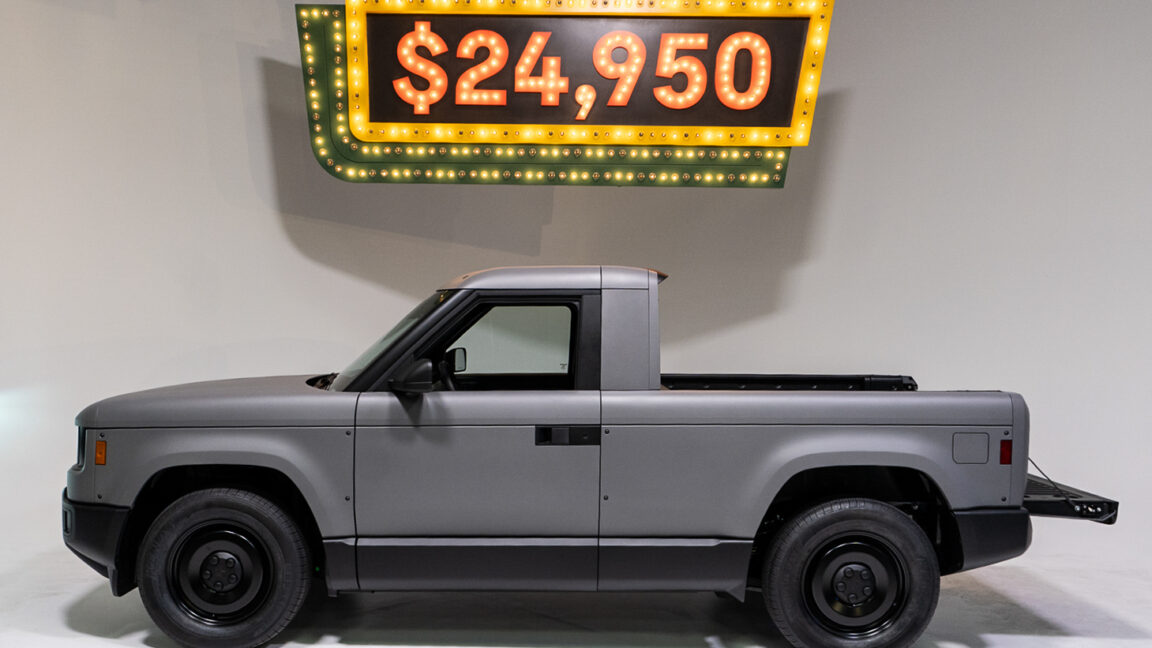
It has 205 miles of bare-bones range.
R
↗
I've been following crypto for a while, but it still feels like there are major barriers to everyday cryptocurrency payments. Between volatility and pricing concerns, payment speed and fees, and the overall crypto wallet usability experience, paying with crypto often feels less convenient than traditional options. On top of that merchant adoption is still limited, and regulatory compliance requirements can make onboarding and spending more complicated than it needs to be. It seems like improving the user experience for daily spending and creating simpler, compliant access points could go a long way toward making crypto more practical. What do you think is the biggest obstacle preventing crypto from becoming a true everyday payment method? submitted by /u/Quiet-Miracle [link] [Kommentare]
 H
↗
H
↗
1. Every few months I will read a tweet, or have a conversation, that makes me feel this is important, I must remember this.