Channels
Market & economic data for AI agents — stocks, crypto, perps, commodities, macro, SEC filings, sentiment. No API keys. Pay per request in USDC.
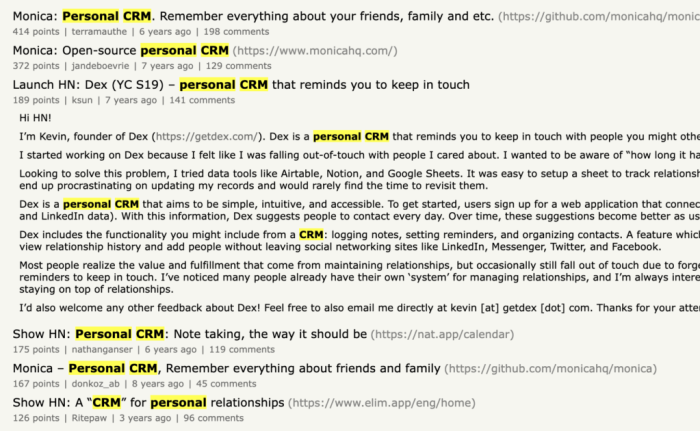
Why does friendship admin feel so embarrassing?

When I read about gaming on Android phones (the “native” kind, not emulation!), the posts and comments usually revolves around big-budget ports, blockbuster mobile releases, and increasingly powerful hardware. Games like Red Dead Redemption, Subnautica, and Tomb Raider are pretty damn clear indications of just how far smartphones have
Progress in legal AI increasingly depends on access to authoritative legal text at scale. Yet one of the most consequential layers of American law remains largely absent from existing machine-readable corpora: local ordinances. Local codes govern zoning, housing, business licensing, public health, noise, animal control, and many other domains of everyday regulation, but they are fragmented across vendor platforms designed for human browsing rather than bulk research access. We introduce LOCUS - the Local Ordinance Corpus for the United States - a comprehensive corpus and county-harmonized access layer for U.S. municipal and county ordinance codes. The raw corpus, available for release to researchers, represents nearly all publicly available municipal and county ordinance codes. The resulting raw corpus contains codes from 9,239 cities and counties. A smaller county-harmonized LOCUS access layer provides coverage for the largest 2,309 of 3,144 U.S. counties, accounting for a majority of the population. We use OCR to handle the myriad of document formats that have kept the law from being a public resource. We release the corpus with coverage metadata to support reproducibility, downstream legal AI research, and the incremental expansion of machine-readable access to local law. We train a collection of ModernBERT-based classifiers and scorers to facilitate analyzing U.S. local law among several dimensions, such as opacity and paternalism, that have not previously been studied at this scale. LOCUS-v1 and its derivative models are available at: https://huggingface.co/datasets/LocalLaws/LOCUS-v1
The recent AUR incident did not make Arch unusable, but it changed how I think about trust, package sources, and the amount of maintenance I want from my desktop.
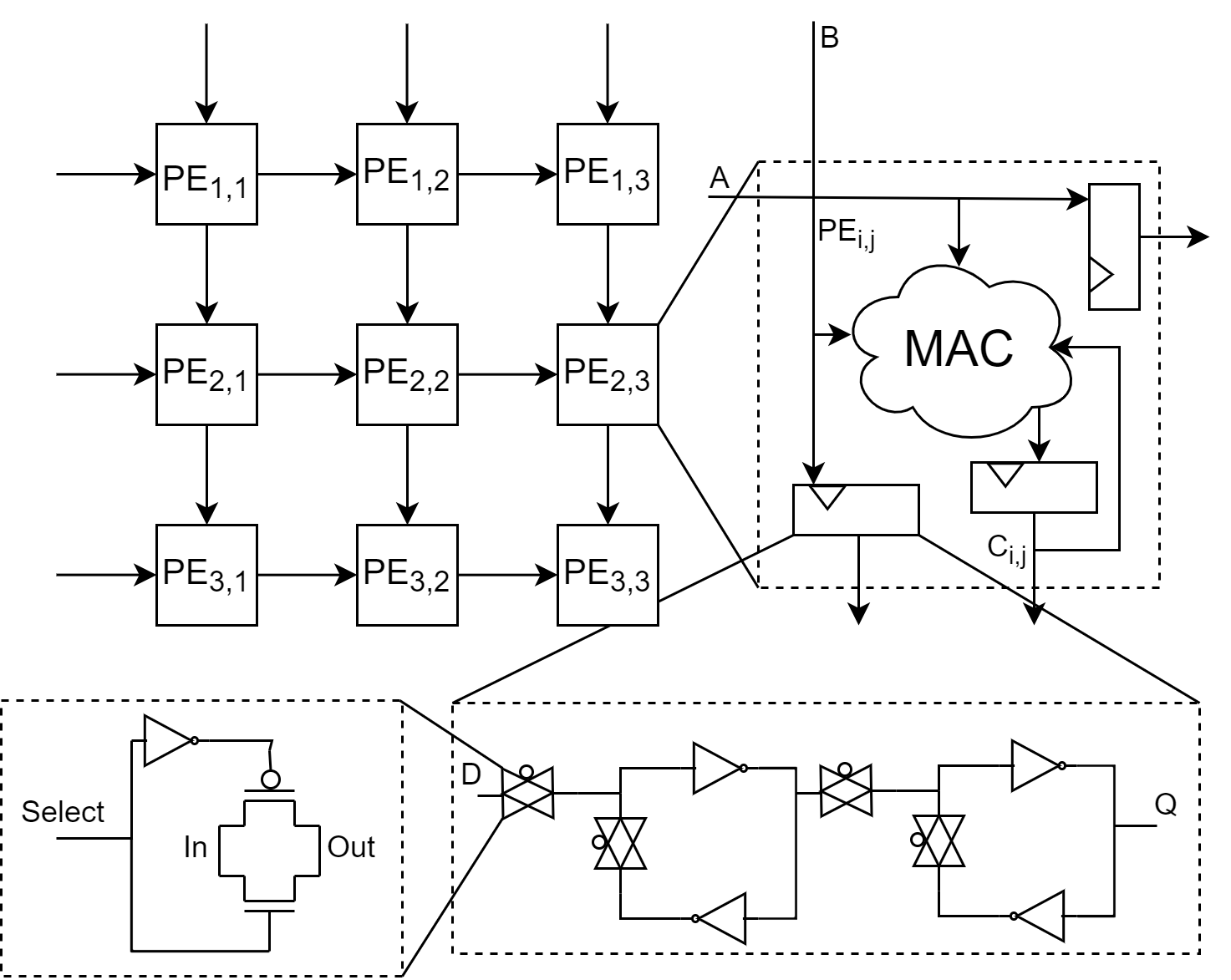
The interesting thing to me about software was the infinite canvas it presented in tension with the speed of light constraints that the hardware might impose.



Frequently asked questions, answered
Daniel Drucker pointed me at a fun bug in Google's calculator: the parsec is wrong when you do math on it. …