Channels
I recorded all the "terms and conditions"1 that I've had to click "agree" to or otherwise claim to have read on a computer or phone for 10 years (starting April 21st 2016 and ending April 21st 2026). See the terms and conditions here(page may take several seconds to load) I started doing this because Ts and Cs feel like an aspect of modern life that doesn't work as it's meant to but which we ignore because the workaround is fine and doesn't cause too many problems. Most people regularly make the claim once every few days to have read and understood something they haven't read or understood, and that's probably fine. Most companies aren't slipping nefarious clauses into their Ts and Cs and if they did surely some consumer rights nerd would find it and flag it and it would get in the news and the company would be punished? I wanted to quantify the burden of our official obligation to read and comprehend all these Ts and Cs. ...this doesn't seem like an unreasonable ask when framed like this. A testament to how much we can achieve in the sum of 4 minutes a day over 10 years. Makes me think of all the books and wikipedia pages I could have read in the past 10 years... Is 238 words/min fair? The legalese would require some time (and possibly further research) to understand adequately enough that "agreeing" would be legally sensible. Also, the content is extremely dry making attention slip and requiring re-reading passages. Also the average word length is probably longer than what that 238 words/min number comes from. The average syllables-per-word is 1.74 for this Ts and Cs corpus vs. 1.62 for the Australian constitution, 1.56 for the US constitution, 1.38 for The Great Gatsby. I tried timing my reading and understanding of some passages: This seems consistent with the 200-300 or so words/min. Probably the biggest issue with estimating time taken to read/comprehend is that some of the Ts and Cs refer to other documents that in turn I must imply I've read (e.g. "I acknowledge that I have read the General Information sheet" and "[I acknowledge that...] my personal information may be used by police for general law enforcement purposes, including those purposes set out in the Australian Crime Commission Act 2002 (Cth)"). I didn't burrow into and include these but that could multiply this Ts and Cs corpus several-fold Here are the ten most common words across all 821 agreements (excluding simple stopwords like "the", "and", "to"): The five longest agreements in the corpus: Word counts from Project Gutenberg plain text editions. I'm sure there are Ts and Cs that I missed. Either i was time-pressured at work or in an airport or a clinic or something and didn't have time to copy and paste the Ts and Cs or record a link to them, or I lost them afterwards among other emails or notes. I would be suprised if the lost notes were more than 10% of the current corpus, so it wouldn't change the count much. Some terms and conditions I noted down but when looking later, I couldn't find them. For example, the policies for free wifi in Rome and Lisbon airports, Hotel Bellvedere. Some terms and conditions I couldn't find at the time (i.e. the link to read them was broken) but I still had to agree that I'd read them. I couldn't record these. I did not record any updates to Ts and Cs. E.g. my bank frequently notifies me (feels like weekly but is probably actually once every few months) of updated Ts and Cs and makes me agree to the updated ones. I didn't record these each time, only the first time. In 2018 when cookie banners on website became much more common (because some European GDPR rules came into effect or something), I developed an approach of avoiding having to agree/acknowledge these as much as possible. I would set display:none through the "inspect" function in the browser, or simply navigate away from the page and find another way of accessing the information. Sometimes though, I was forced to agree and in several cases I did not record these. I did not include agreements that I'd signed "in real life" E.g. signing work contracts or my mortgage agreement or conveyancing documents (It was only the agreements/Ts and Cs on software or the internet that I counted) Sometimes I only noted down which policy I'd agreed to rather than copy-pasting the whole thing at the time, and it may have been months to years later that I retrieved the contents of the policy, so that the date on the policy may apparently post-date when I actually agreed to it. There are a few hundred words that are my own additions that should be strictly subtracted from the word count, but it would be a negligable difference. E.g. my own annotations in: "Rome Airport Wifi Privacy Policy Rome airport wifi privacy policy [could not find]", which is a placeholder for the missing rome Ts and Cs 1 I use "Terms and conditions" or "Agreements" as a general term to cover all variants of this genre of legal document laying out an organisaiton's agreement/notice/terms with me. Synonyms as far as I'm concerned include: "Terms of Service", "Terms of Use", "End User License Agreement", "Software License Agreement", "Privacy Policy", "Privacy Notice", "Privacy Statement", "Privacy Pledge", "Cookie Policy", "Cookie Notice", "Acceptable Use Policy" and "Code of Conduct". ↩ 2Zya made the app Ditty.it, which I would have downloaded to make memes of a style that was popular in about 2016-2017. They're defunct now
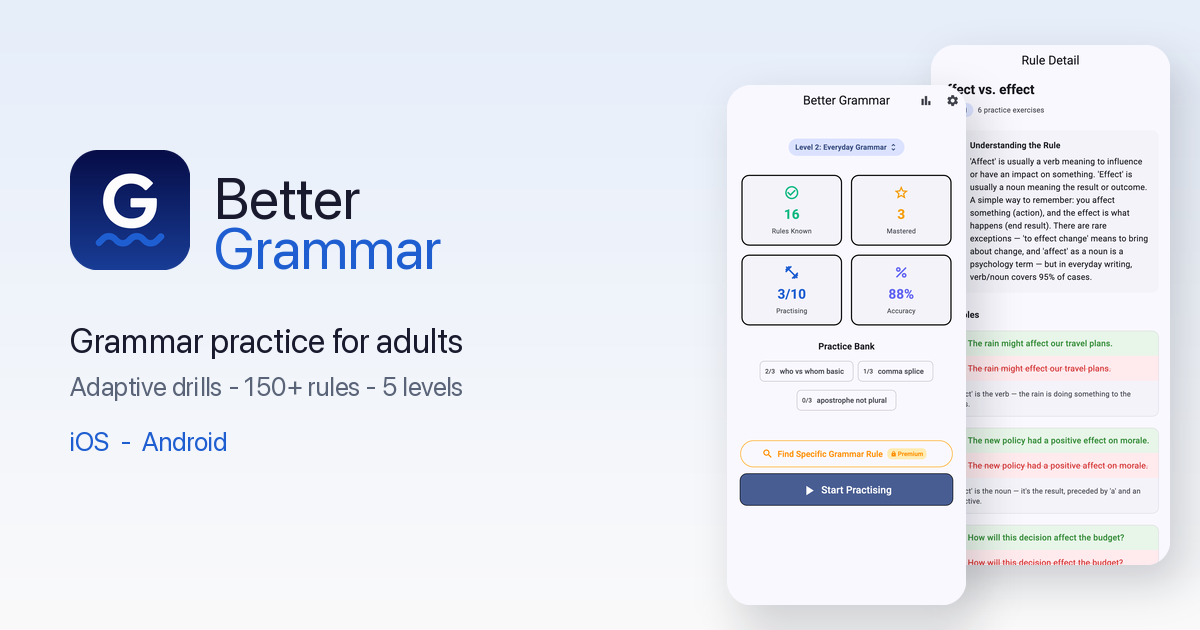
Adaptive grammar drills that find the rules you actually trip on. Five difficulty levels, three exercise modes, US/UK/AU English support.
API keys set as environment variables in a sandbox are readable by the agent. Superserve Secrets keeps the real credential out of the sandbox. Your code uses a stand-in token that's swapped for the real key as the request leaves the host.

1983 Northern Telecom Commodore Phone. The Curious Case of the 1983 Commodore Phone: A Canadian-Only Tech Oddity.
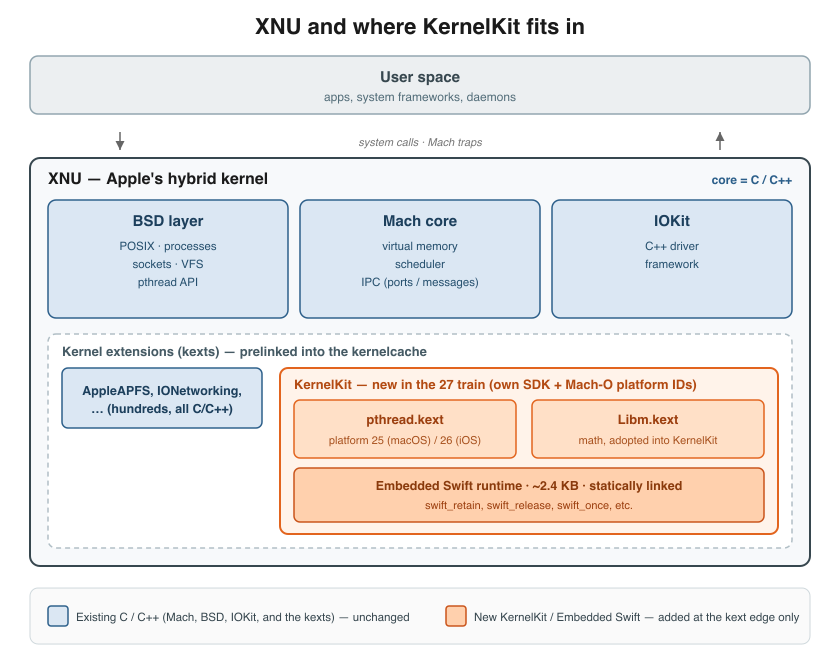
A new series reverse-engineering Apple's internals.

You might want to buy a new phone.
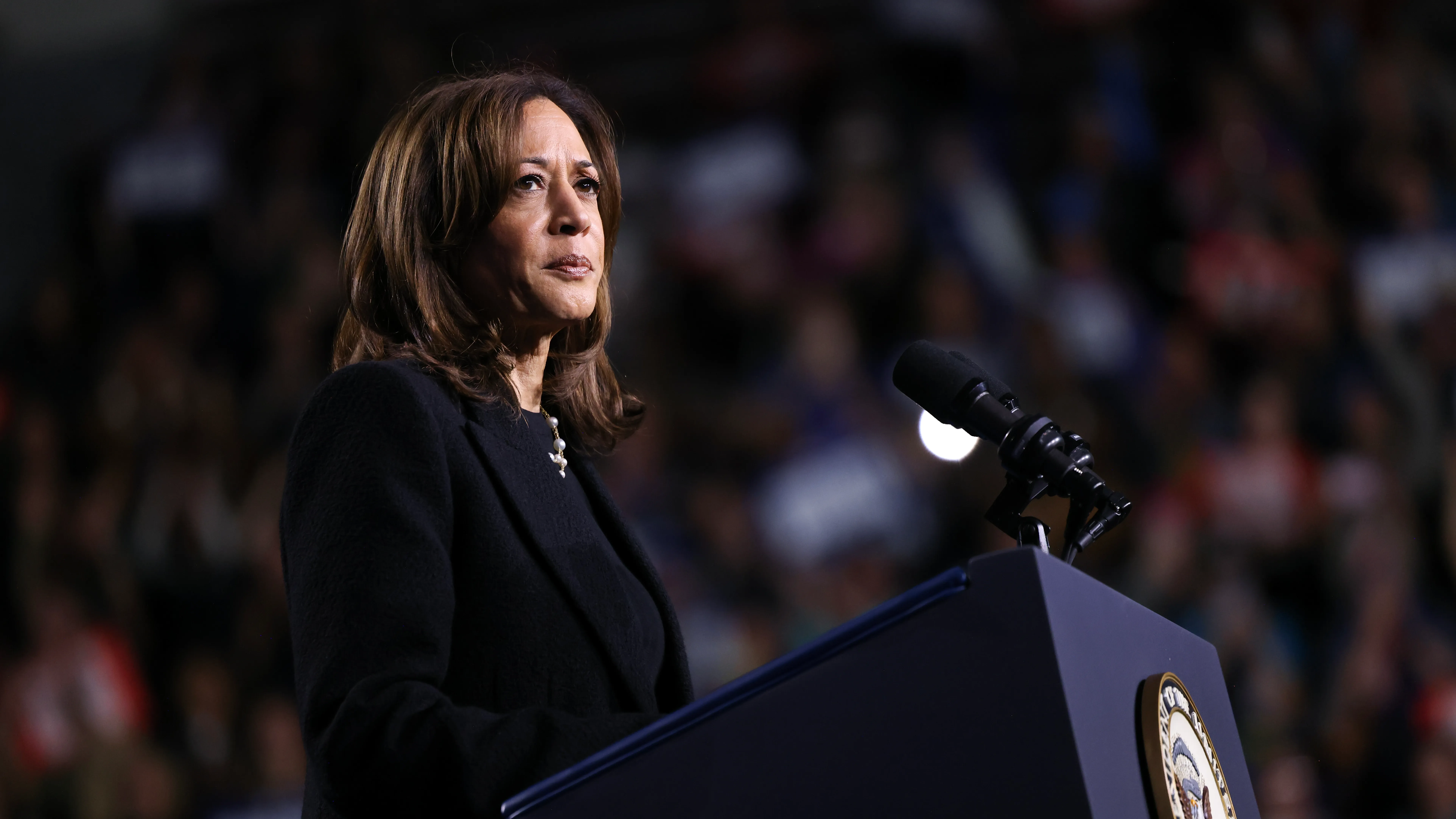
Ta-Nehisi Coates reckons with that question, and what it means for the 2028 election.

I’ve been in Berkeley for the last 2 weeks. I haven’t really been back here for a while, and it’s worse than you can believe. This is a cult of atheistic hedonists needing AI doom to be true to justify their life choices. Or acceleration. Or something. They need to make impact. I mean, narcissism of small differences to an extent, but I stopped long before these people did. If San Francisco was nuked tomorrow, the world would feel a weight off their shoulders. 内卷
A spaced-repetition trainer for the performance and cost base rates every systems thinker should know. Based on Simon Eskildsen's napkin-math.
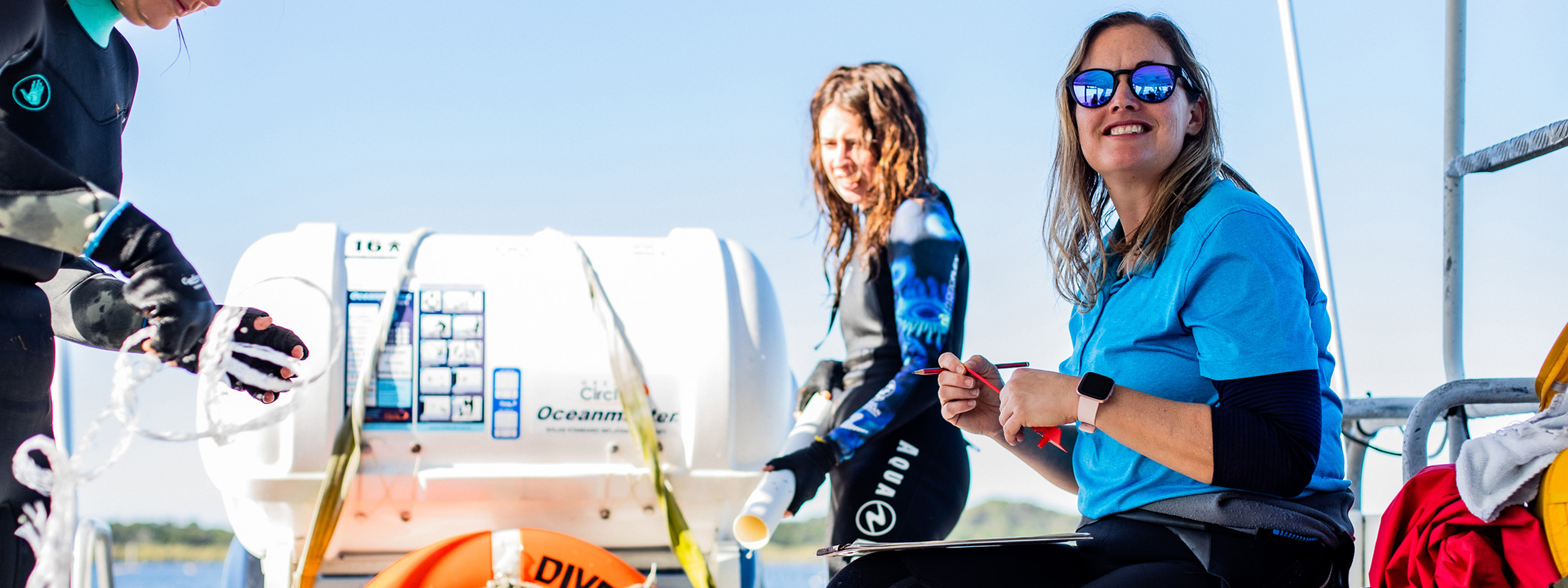
A night dive off Papua New Guinea to study wild sharks that can walk on land has surfaced with something even more rare – a species unknown to science. “New shark species don’t come along that often, and it’s most definitely the first one named after me,” said a surprised Dr Christine Dudgeon of the University of the Sunshine Coast about the metre-long specimen she caught by hand and carefully guided back to the study boat.

Skills have quickly become the most important feature for writing code with agents. Here is how to use them well, and bad patterns to avoid.