All publications
SHARE:
Print
Europe as a global standard-setter: The strategic importance of European standardisation
Oct 15, 2020
DISCUSSION PAPER
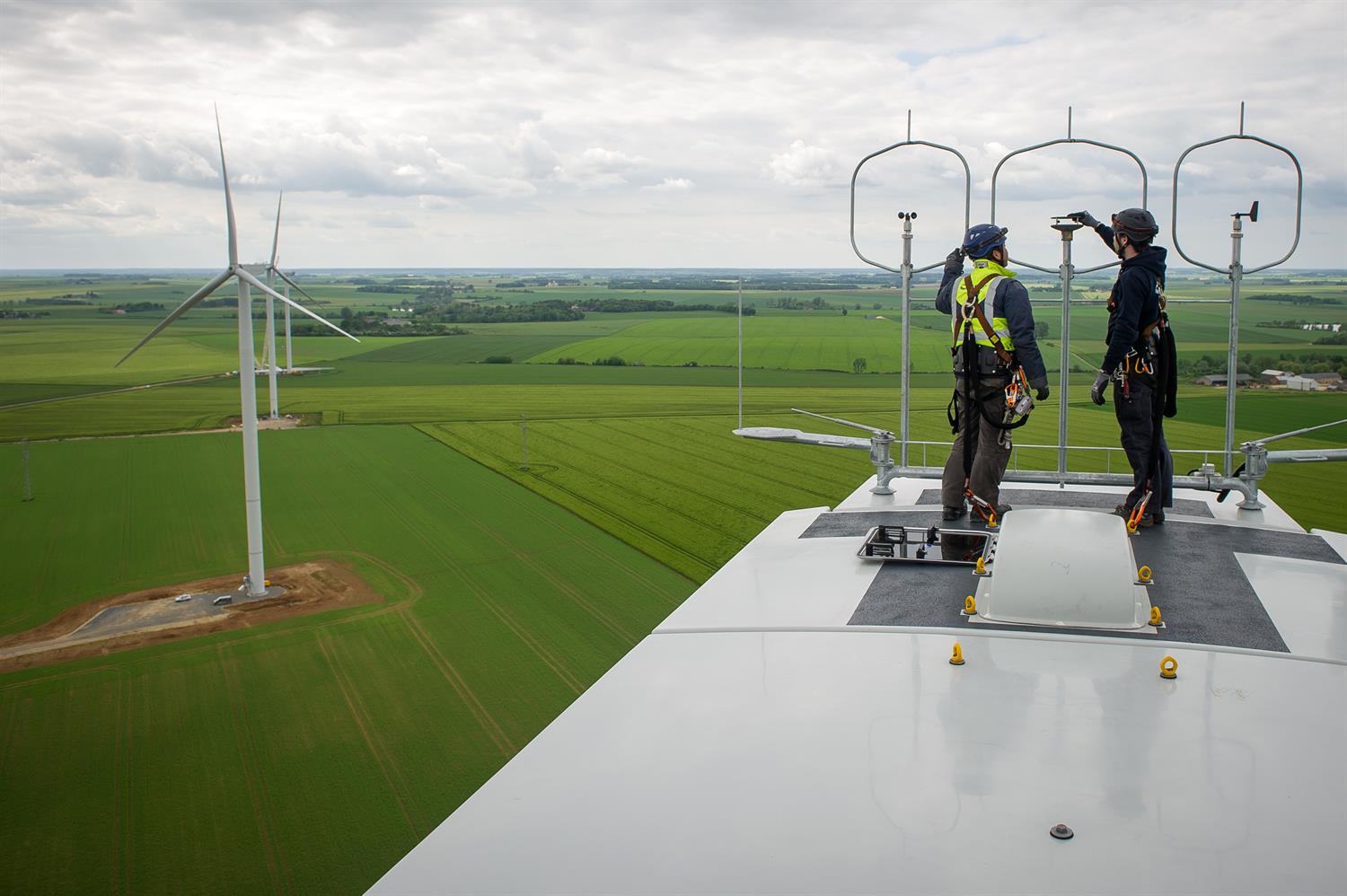
Photo credits: GUILLAUME SOUVANT / AFP
Johan Bjerkem
Policy Analyst
Malcolm Harbour
Senior Adviser on the Single Market
SEE MORE
STANDARDISATION & STANDARDS
As Europe aims for greater strategic autonomy and resilience in a post-COVID-19 world, it must be a rule-maker and not a rule-taker of international rules and standards. Every European standard adopted at the international level brings a competitive advantage to European businesses. The geopolitics of new technologies and advanced manufacturing require Europe to ensure the efficient and effective functioning of its standardisation system. And as the pace of digitalisation accelerates, European standards are essential to ensuring that Europe’s digital space remains safe, secure and cyber-proof.European standards are also crucial to Europe’s market power and are a pillar of its Single Market. They are fundamental if Europe is to reach the objectives it has set for itself through its European Green Deal, Digital Strategy and New Industrial Strategy. Standards are an indispensable tool for raising product safety and environmental performance. They can drive innovation, competitiveness, sustainability and consumer protection.But while the EU legal framework and partnership structures have many world-leading qualities, the adoption of EU standards has been in decline since 2018. The slow approval of harmonised standards is weakening the coherence of the Single Market. It is also sapping the competitiveness of the EU’s digital players, where speed to market is critical. The problems holding back a competitive system must be resolved urgently. A new trusted partnership between the EU, industry and the European Standardisation Organisations should be developed. It must determine clear objectives for the timely delivery of standards, reform governance and strengthen the inclusive public-private partnership that is the engine room of standards-making. Read the full paper here.
Related publications
PRESS RELEASE
Brussels Economic Security Forum 2026: Europe urged to diversify and build resilience
Jun 05, 2026
BRUSSELS ECONOMIC SECURITY FORUM
ECONOMIC SECURITY
DISCUSSION PAPER
Two years on: Why Europe’s far right keeps growing
Jun 04, 2026
by
Javier Carbonell, Tabea Schaumann, Levente Kocsis
EUROPEAN PARLIAMENT (EP)
FAR RIGHT
POLITICAL PARTIES
POLICY BRIEF
Europe’s Geo-Industrial Deal: A path to securing Europe’s competitiveness abroad
Jun 03, 2026
by
Varg Folkman
ECONOMIC SECURITY
GEOECONOMIC
INDUSTRIAL POLICY
To the Point
Economic security dilemmas differ from traditional security threats
Jun 03, 2026
by
Fabian Zuleeg
BRUSSELS ECONOMIC SECURITY FORUM
ECONOMIC SECURITY
PUBLICATION
The EU’s financial security in a shifting transatlantic relationship
Jun 02, 2026
by
Maria Demertzis
BRUSSELS ECONOMIC SECURITY FORUM
ECONOMIC SECURITY
POLICY BRIEF
Towards openness-based European preference in the pharmaceutical sector
Jun 02, 2026
by
Elizabeth Kuiper, Paweł Świeboda, Samuel Goodger
COMPETITIVENESS
ECONOMIC SECURITY
By the same authors
COMMENTARY
Next Generation EU standards will boost post-COVID-19 recovery
Jul 22, 2020
by
Malcolm Harbour
SINGLE MARKET
PUBLICATION
Fostering Europe’s Strategic Autonomy - A new Agenda for Trade and Investment
Jul 02, 2020
by
Johan Bjerkem
TRADE
COMMENTARY
Europe’s hidden weapon in combatting COVID-19: The Single Market
Apr 30, 2020
by
Johan Bjerkem
SINGLE MARKET
COMMENTARY
A renewed start for Europe? 4 takeaways from the EU’s New Industrial Strategy
Mar 12, 2020
by
Marta Pilati, Johan Bjerkem
INDUSTRIAL POLICY
COMMENTARY
EU trade policy: Global enforcer for the European Green Deal
Dec 17, 2019
by
Johan Bjerkem
TRADE
ISSUE PAPER
An Industry Action Plan for a more competitive, sustainable and strategic European Union
Nov 07, 2019
by
Johan Bjerkem, Marco Giuli, Marta Pilati, Claire Dhéret
INDUSTRIAL POLICY
 Link preview
Europe as a global standard-setter (2020)
All publications SHARE: Print Europe as a global standard-setter: The strategic importance of European standardisation Oct 15, 2020 DISCUSSION PAPER Photo credits: GUILLAUME SOUVANT / AFP Johan Bjerkem Policy Analyst Malcolm Harbour Senior Adviser on the Single Market SEE MORE STANDARDISATION & STANDARDS As Europe aims for greater strategic autonomy and resilience in a post-COVID-19 world, it must be a rule-maker and not a rule-taker of international rules and standards. Every European standard adopted at the international level brings a competitive advantage to European businesses. The geopolitics of new technologies and advanced manufacturing require Europe to ensure the efficient and effective functioning of its standardisation system. And as the pace of digitalisation accelerates, European standards are essential to ensuring that Europe’s digital space remains safe, secure and cyber-proof.European standards are also crucial to Europe’s market power and are a pillar of its Single Market. They are fundamental if Europe is to reach the objectives it has set for itself through its European Green Deal, Digital Strategy and New Industrial Strategy. Standards are an indispensable tool for raising product safety and environmental performance. They can drive innovation, competitiveness, sustainability and consumer protection.But while the EU legal framework and partnership structures have many world-leading qualities, the adoption of EU standards has been in decline since 2018. The slow approval of harmonised standards is weakening the coherence of the Single Market. It is also sapping the competitiveness of the EU’s digital players, where speed to market is critical. The problems holding back a competitive system must be resolved urgently. A new trusted partnership between the EU, industry and the European Standardisation Organisations should be developed. It must determine clear objectives for the timely delivery of standards, reform governance and strengthen the inclusive public-private partnership that is the engine room of standards-making. Read the full paper here. Related publications PRESS RELEASE Brussels Economic Security Forum 2026: Europe urged to diversify and build resilience Jun 05, 2026 BRUSSELS ECONOMIC SECURITY FORUM ECONOMIC SECURITY DISCUSSION PAPER Two years on: Why Europe’s far right keeps growing Jun 04, 2026 by Javier Carbonell, Tabea Schaumann, Levente Kocsis EUROPEAN PARLIAMENT (EP) FAR RIGHT POLITICAL PARTIES POLICY BRIEF Europe’s Geo-Industrial Deal: A path to securing Europe’s competitiveness abroad Jun 03, 2026 by Varg Folkman ECONOMIC SECURITY GEOECONOMIC INDUSTRIAL POLICY To the Point Economic security dilemmas differ from traditional security threats Jun 03, 2026 by Fabian Zuleeg BRUSSELS ECONOMIC SECURITY FORUM ECONOMIC SECURITY PUBLICATION The EU’s financial security in a shifting transatlantic relationship Jun 02, 2026 by Maria Demertzis BRUSSELS ECONOMIC SECURITY FORUM ECONOMIC SECURITY POLICY BRIEF Towards openness-based European preference in the pharmaceutical sector Jun 02, 2026 by Elizabeth Kuiper, Paweł Świeboda, Samuel Goodger COMPETITIVENESS ECONOMIC SECURITY By the same authors COMMENTARY Next Generation EU standards will boost post-COVID-19 recovery Jul 22, 2020 by Malcolm Harbour SINGLE MARKET PUBLICATION Fostering Europe’s Strategic Autonomy - A new Agenda for Trade and Investment Jul 02, 2020 by Johan Bjerkem TRADE COMMENTARY Europe’s hidden weapon in combatting COVID-19: The Single Market Apr 30, 2020 by Johan Bjerkem SINGLE MARKET COMMENTARY A renewed start for Europe? 4 takeaways from the EU’s New Industrial Strategy Mar 12, 2020 by Marta Pilati, Johan Bjerkem INDUSTRIAL POLICY COMMENTARY EU trade policy: Global enforcer for the European Green Deal Dec 17, 2019 by Johan Bjerkem TRADE ISSUE PAPER An Industry Action Plan for a more competitive, sustainable and strategic European Union Nov 07, 2019 by Johan Bjerkem, Marco Giuli, Marta Pilati, Claire Dhéret INDUSTRIAL POLICY Source: https://www.linkedin.com/company/european-policy-centre epc.eu · linkedin.com
Link preview
Europe as a global standard-setter (2020)
All publications SHARE: Print Europe as a global standard-setter: The strategic importance of European standardisation Oct 15, 2020 DISCUSSION PAPER Photo credits: GUILLAUME SOUVANT / AFP Johan Bjerkem Policy Analyst Malcolm Harbour Senior Adviser on the Single Market SEE MORE STANDARDISATION & STANDARDS As Europe aims for greater strategic autonomy and resilience in a post-COVID-19 world, it must be a rule-maker and not a rule-taker of international rules and standards. Every European standard adopted at the international level brings a competitive advantage to European businesses. The geopolitics of new technologies and advanced manufacturing require Europe to ensure the efficient and effective functioning of its standardisation system. And as the pace of digitalisation accelerates, European standards are essential to ensuring that Europe’s digital space remains safe, secure and cyber-proof.European standards are also crucial to Europe’s market power and are a pillar of its Single Market. They are fundamental if Europe is to reach the objectives it has set for itself through its European Green Deal, Digital Strategy and New Industrial Strategy. Standards are an indispensable tool for raising product safety and environmental performance. They can drive innovation, competitiveness, sustainability and consumer protection.But while the EU legal framework and partnership structures have many world-leading qualities, the adoption of EU standards has been in decline since 2018. The slow approval of harmonised standards is weakening the coherence of the Single Market. It is also sapping the competitiveness of the EU’s digital players, where speed to market is critical. The problems holding back a competitive system must be resolved urgently. A new trusted partnership between the EU, industry and the European Standardisation Organisations should be developed. It must determine clear objectives for the timely delivery of standards, reform governance and strengthen the inclusive public-private partnership that is the engine room of standards-making. Read the full paper here. Related publications PRESS RELEASE Brussels Economic Security Forum 2026: Europe urged to diversify and build resilience Jun 05, 2026 BRUSSELS ECONOMIC SECURITY FORUM ECONOMIC SECURITY DISCUSSION PAPER Two years on: Why Europe’s far right keeps growing Jun 04, 2026 by Javier Carbonell, Tabea Schaumann, Levente Kocsis EUROPEAN PARLIAMENT (EP) FAR RIGHT POLITICAL PARTIES POLICY BRIEF Europe’s Geo-Industrial Deal: A path to securing Europe’s competitiveness abroad Jun 03, 2026 by Varg Folkman ECONOMIC SECURITY GEOECONOMIC INDUSTRIAL POLICY To the Point Economic security dilemmas differ from traditional security threats Jun 03, 2026 by Fabian Zuleeg BRUSSELS ECONOMIC SECURITY FORUM ECONOMIC SECURITY PUBLICATION The EU’s financial security in a shifting transatlantic relationship Jun 02, 2026 by Maria Demertzis BRUSSELS ECONOMIC SECURITY FORUM ECONOMIC SECURITY POLICY BRIEF Towards openness-based European preference in the pharmaceutical sector Jun 02, 2026 by Elizabeth Kuiper, Paweł Świeboda, Samuel Goodger COMPETITIVENESS ECONOMIC SECURITY By the same authors COMMENTARY Next Generation EU standards will boost post-COVID-19 recovery Jul 22, 2020 by Malcolm Harbour SINGLE MARKET PUBLICATION Fostering Europe’s Strategic Autonomy - A new Agenda for Trade and Investment Jul 02, 2020 by Johan Bjerkem TRADE COMMENTARY Europe’s hidden weapon in combatting COVID-19: The Single Market Apr 30, 2020 by Johan Bjerkem SINGLE MARKET COMMENTARY A renewed start for Europe? 4 takeaways from the EU’s New Industrial Strategy Mar 12, 2020 by Marta Pilati, Johan Bjerkem INDUSTRIAL POLICY COMMENTARY EU trade policy: Global enforcer for the European Green Deal Dec 17, 2019 by Johan Bjerkem TRADE ISSUE PAPER An Industry Action Plan for a more competitive, sustainable and strategic European Union Nov 07, 2019 by Johan Bjerkem, Marco Giuli, Marta Pilati, Claire Dhéret INDUSTRIAL POLICY Source: https://www.linkedin.com/company/european-policy-centre epc.eu · linkedin.com
Comments