Channels
Shrubbery notation is a set of text-level conventions that build toward a full programming language, such as Rhombus. The notation is line- and indentation-sensitive, and it is intended to partially group input, but leave further parsing to another layer, especially enforestation. The parsed form of a shrubbery imposes grouping to ensure that further parsing is consistent with the shrubbery’s lines and indentation. 1.4 Parentheses, Brackets, Braces, and Quotes 2.1.2 Grouping by Opener–Closer Pairs 2.1.3 Blocking with : and Indentation 2.1.4 Continuing with Indentation and an Operator 2.1.6 Separating Groups with ; and , 2.1.7 Line- and Column-Insensitivity with « and » 5.2 Source Locations and Raw-Text Properties 5.3 Reconstructing Shrubbery Notation
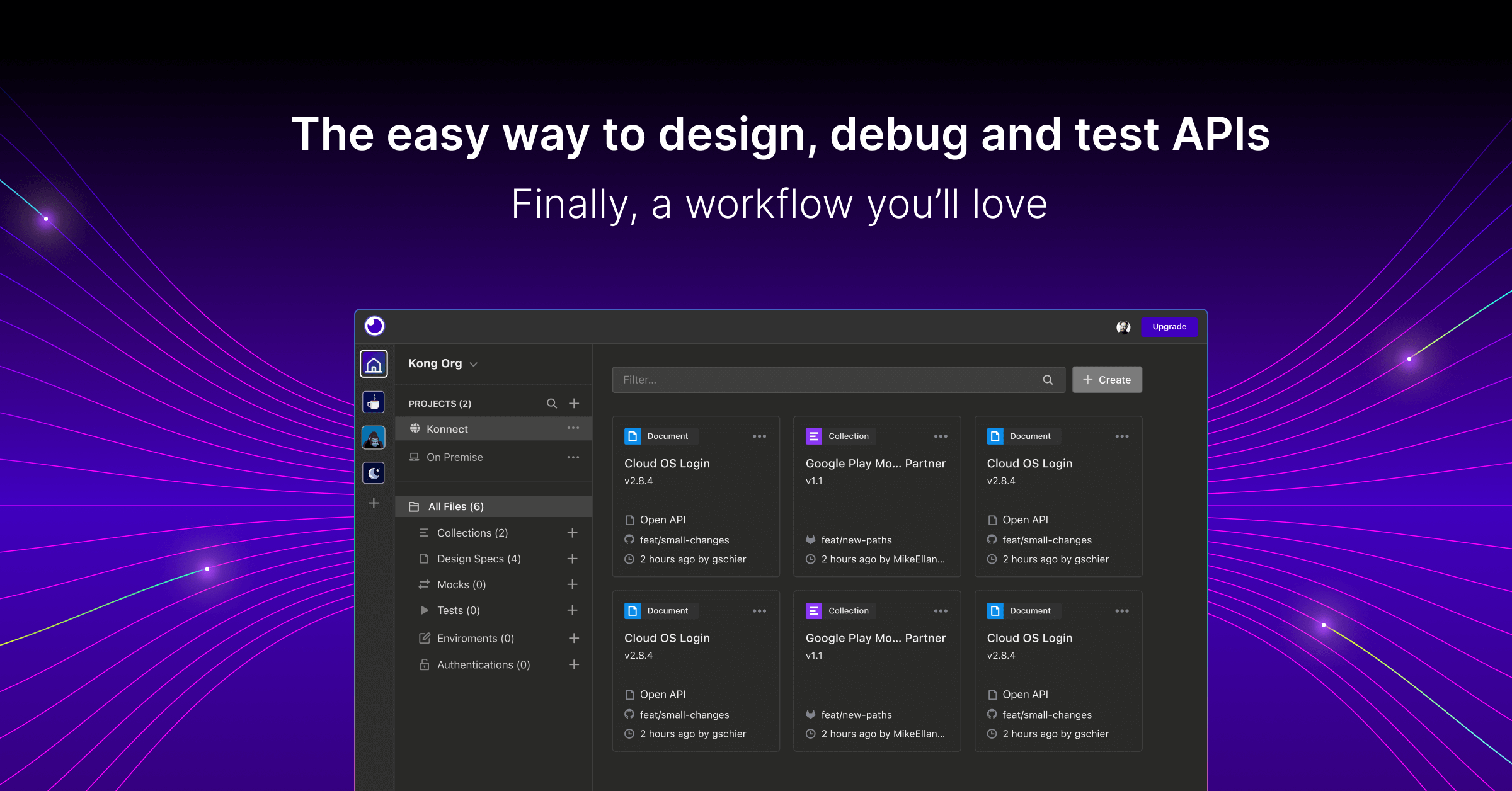
Learn how the Kong engineering team used agentic AI to identify, fix, and verify flaky tests in our codebase, improving CI stability and developer productivity.

A live, spinnable map of all 10,495 Starlink satellites in orbit right now, plotted from the public US Space Force catalogue with SGP4. Tap any dot for the real satellite.

A new pharmaceutical production method could allow astronauts on long space missions to

A Practical Guide to Drone Mapping Using Free and Open Source Software. Buy the E-book, DRM-Free.

Introduction
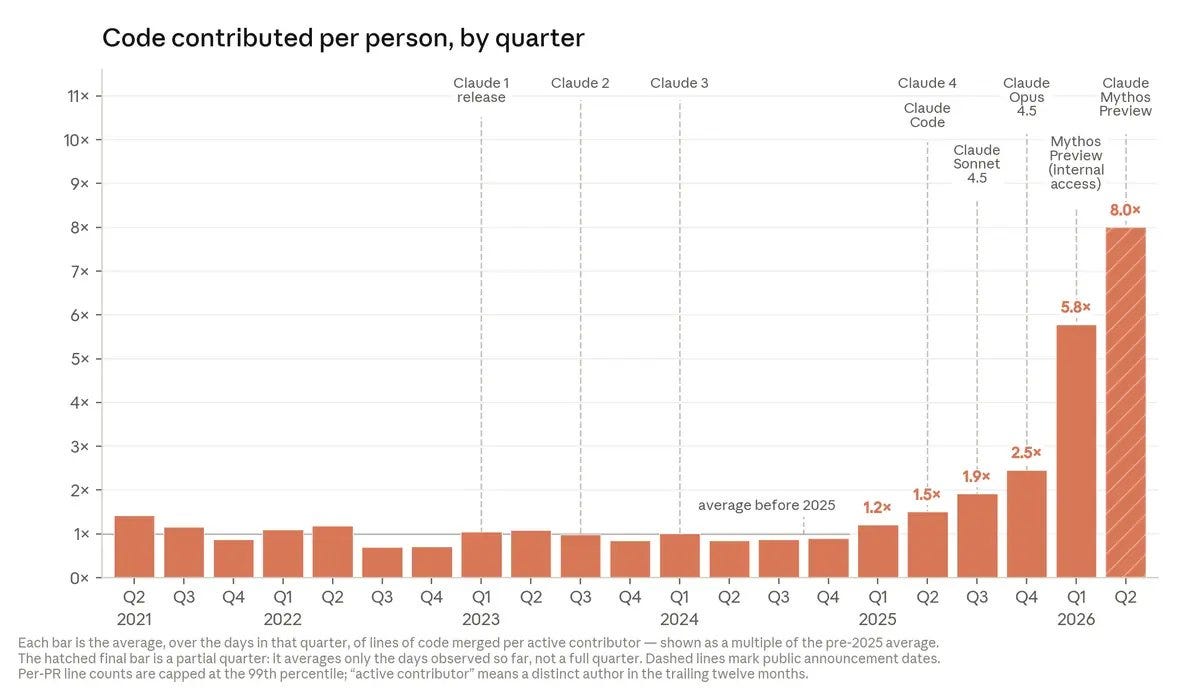
Also: how pitch a book to an AI!
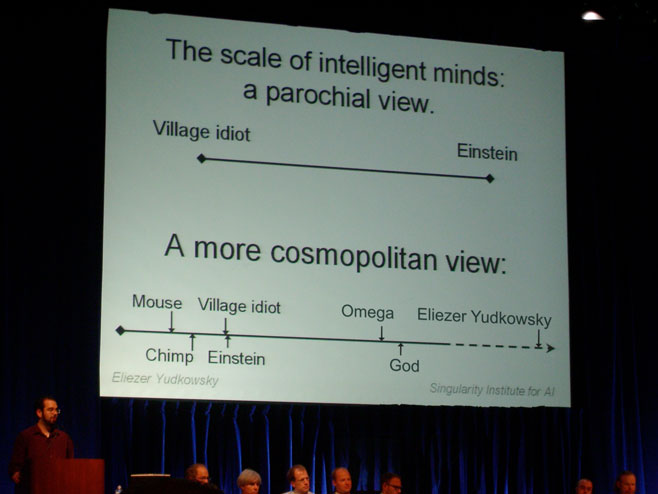
[Content note: scrupulosity and self-esteem triggers, IQ, brief discussion of weight and dieting. Not good for growth mindset.] I. I sometimes blog about research into IQ and human intelligence. I …
Ask a source-grounded SpaceX IPO filing demo powered by Calypso RAG, with clickable analyst prompts, filing source trails, and grounded answers.

If you received a scam call, please submit the number that called you. That's why we built Pynder - to crowdsource and track scam call data. Pynder was founded by a concerned group of American citizens with over 75 years combined experience in telecom and web tech. We began investigating scam calls in May 2025 and quickly realized the scale of the problem demands community involvement. Scammers are running wild. The reverse lookup tools? Mostly smoke and mirrors. Some even fuel the fire—harvesting data, misdirecting searches, and selling your curiosity back to you. Pynder relies on crowdsourced reports to uncover patterns behind scam operations. Right now, we’re collecting and storing call and number data to support a larger investigation. We don’t collect your personal info. Ever. We collect basic technical metadata such as IP address and browser information to prevent abuse. We do not store personally identifying information. If you're here, odds are a strange number has called your phone. Maybe it claimed to be your bank. Or your mother. Or the IRS. Spoiler: it wasn't. Scammers use tricks called Caller ID Spoofing and Neighbor Spoofing - stealing real numbers to trick real people. A reverse lookup just tells you who owns the number, not who called you. That’s the misdirection. That’s the trap. We collect scam call info from people like you to find patterns, trace footprints, and expose the underlying networks. These criminals prey on society - particularly the elderly and infirm. Our long term mission is to spread awareness and stop as many scams as possible. Why should you care? Cuz, fuck these guys! We're just getting started, but here's what we’re building: Open-source scam call tracking & visualization. Deeper investigation tools for volunteer gumshoes. These are randomly generated phone numbers and fake names so Google, AOL, etc will index our page and serve it as a result when a phone number is searched. Right click and chose "View Page Source" to check it out! Add different numbers as a querystring (like https://pynder.net?555664) to watch it change dynamically! Scammers use a similar "Black-Hat SEO" techniques to stealthily redirect you to a paid 'lookup' service. Pynder will never play tricks on you. Please stay tuned for more info on our investigation into search engine poisoning.
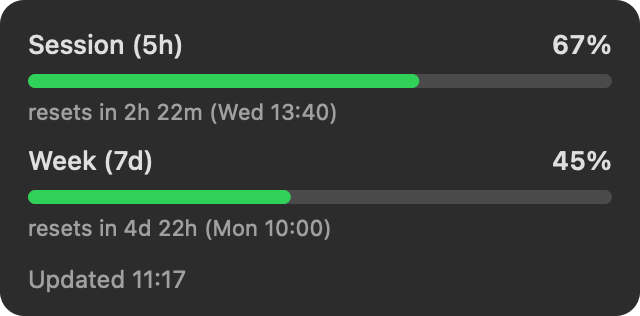
Session (5h) + weekly (7d) Claude Code usage as a live %, color-coded before a limit stops you mid-task. Free, zero config, signed & notarized.
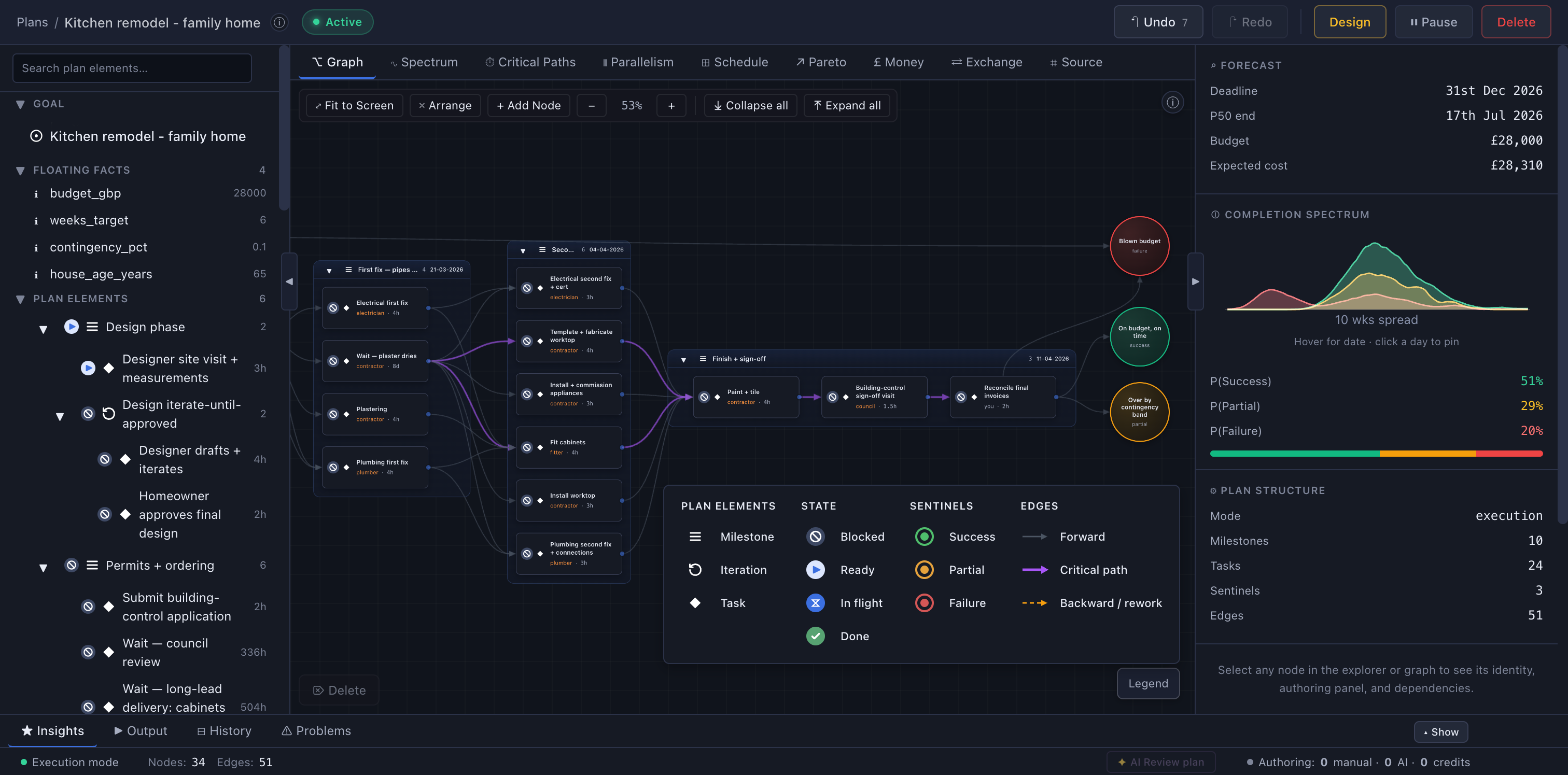
Topolog is a goal planner that models your plans as a directed graph and allows you to execute tasks in order, then schedules your days around them.
Opir is an open-source family of encoder guardrail models for real-time LLM safety, jailbreak detection, and fine-grained policy classification.