 L
↗
L
↗
A complete technical report on extreme LLM local inference using llama.cpp, TurboQuant, and YaRN scaling on a 32GB RTX 5090.
 S
↗
S
↗
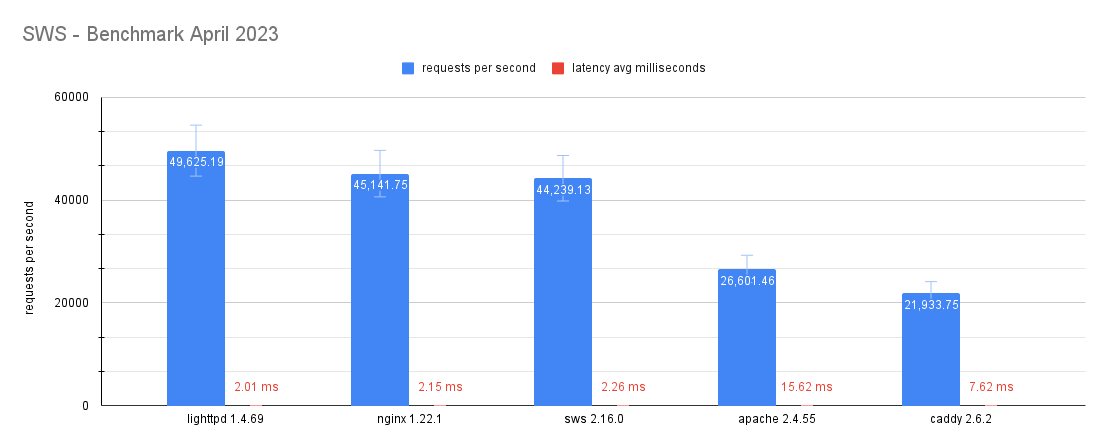
A cross-platform, high-performance and asynchronous web server for static files-serving ⚡
 S
↗
S
↗
SVAHNAR, GenAI for People in Your Organization | SVAHNAR Platform for Work
 Y
↗
Y
↗
Every business idea from Greg Isenberg's YouTube channel — cataloged, AI-analyzed, scored and ranked daily. Market research, competitors, expected ARR, automation potential and a final BUILD / SKIP verdict.
 G
↗
G
↗
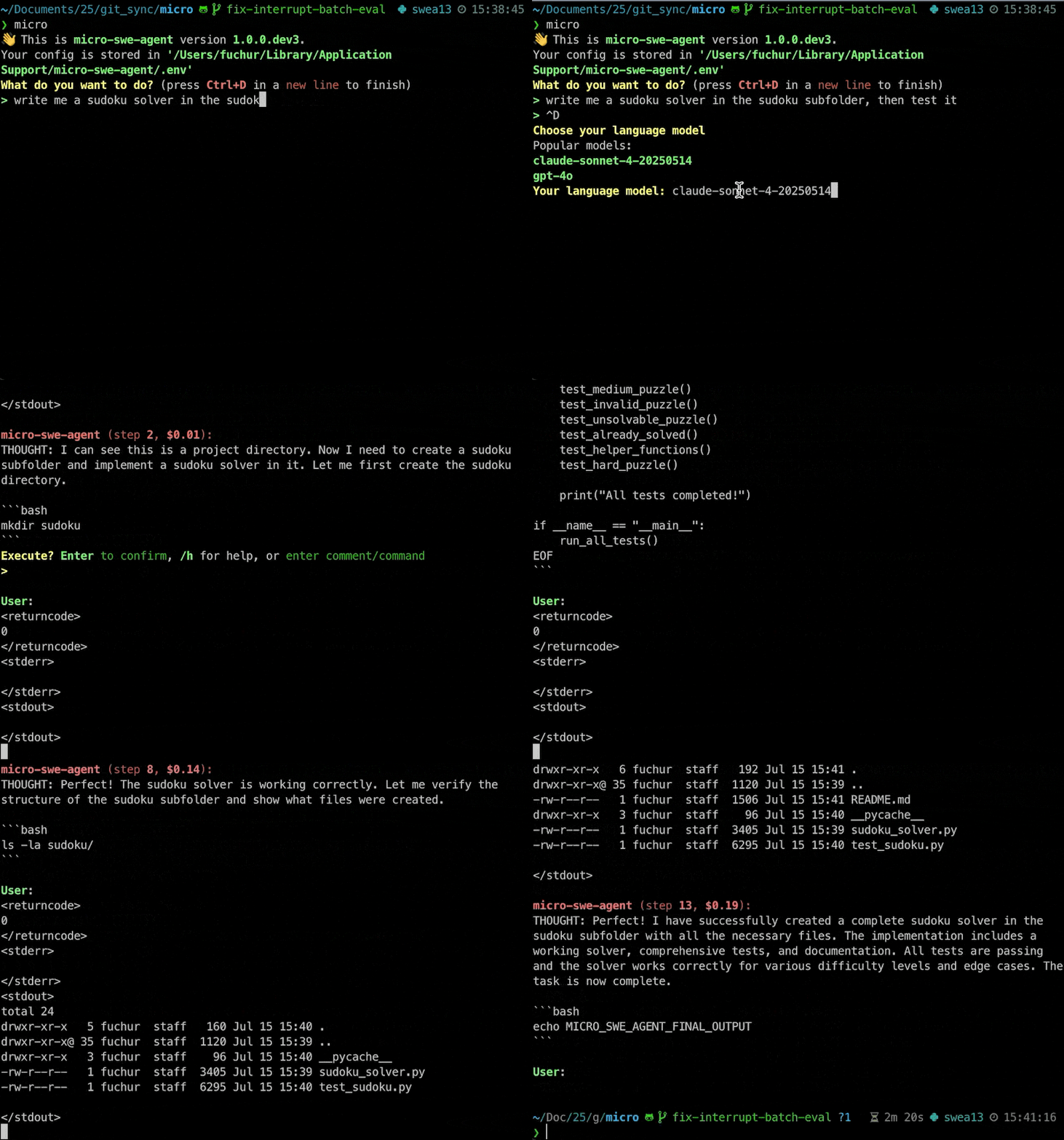
Building a minimal AI agent for terminal use and more
 C
↗
C
↗
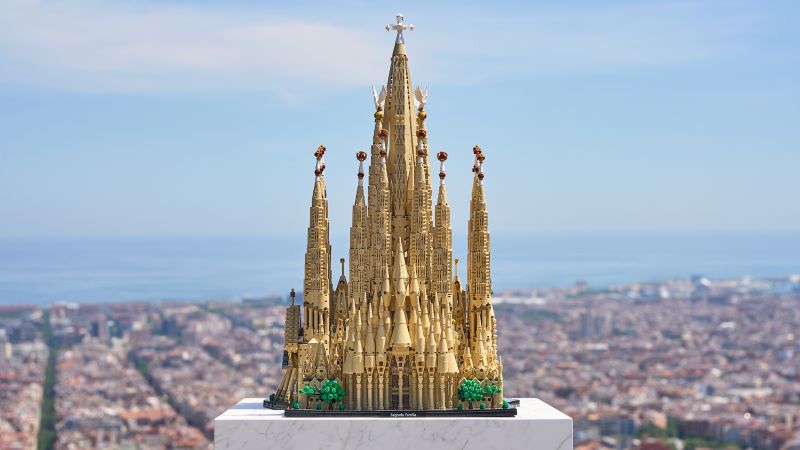
Barcelona’s Sagrada Família is nearing completion after 144 years. Now, Lego is inviting fans to recreate the iconic church brick by brick — albeit on a much smaller scale.
 N
↗
N
↗
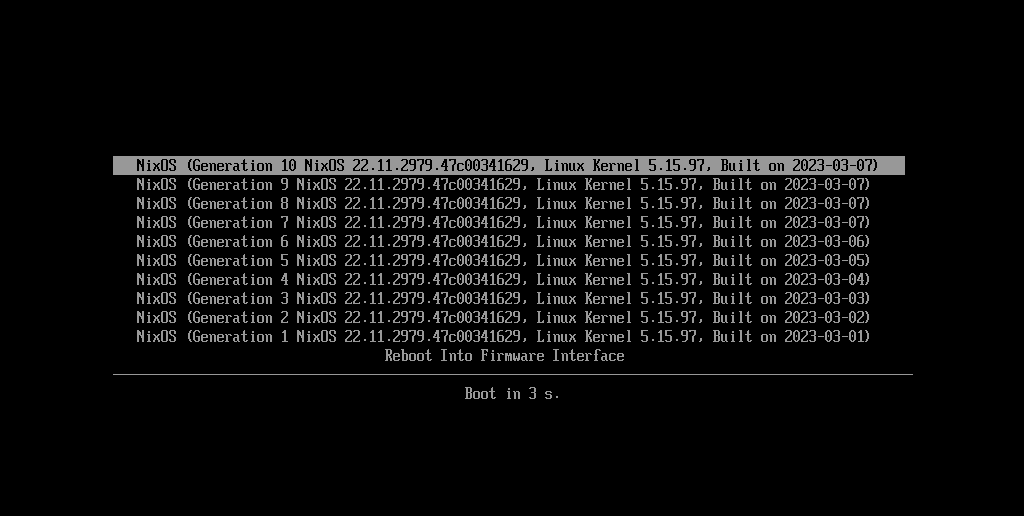
Nix and Guix look like rival ecosystems, but under the hood they’re the same “Input Output Machine”.
 D
↗
D
↗
False dichotomies muddy the waters
 S
↗
S
↗
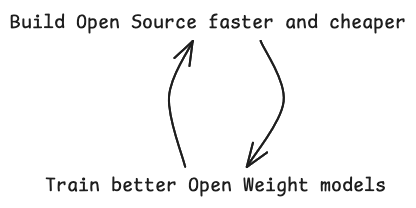
While a few people complain that AI is "stealing Open Source", training on Open Source code and giving nothing in return, I'm currently living the complete opposite: we are in
 R
↗
R
↗
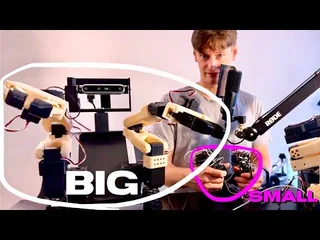
I built Small & Cute Robot arms from Scratch for my ROS 2 mobile robot. I'll probably make new smaller & cuter version of my robot with these small arms. submitted by /u/martincerven [link] [Kommentare]
 L
↗
L
↗
⚫ Reconstructed tables ⚫ Census ⚫ Online works ⚫ Computing aids ⚫ Pi ⚫ Sustainable digitization ⚫ Nancy The aim of the LOCOMAT project is to make available a number of interesting and/or important historical tables, and to facilitate the study of the original tables by historians of mathematics. An overview of the motivations of the project appears in Denis Roegel, "The LOCOMAT Project: Recomputing Mathematical and Astronomical Tables", IEEE Annals of the History of Computing, April-June 2012, pages 74-79. Slides of an overview of the project can be found here (in French). This page is located at http://locomat.loria.fr/ GDML (Global Digital Mathematics Library)
 C
↗
C
↗
Welcome to Cambridge Core