 D
↗
D
↗
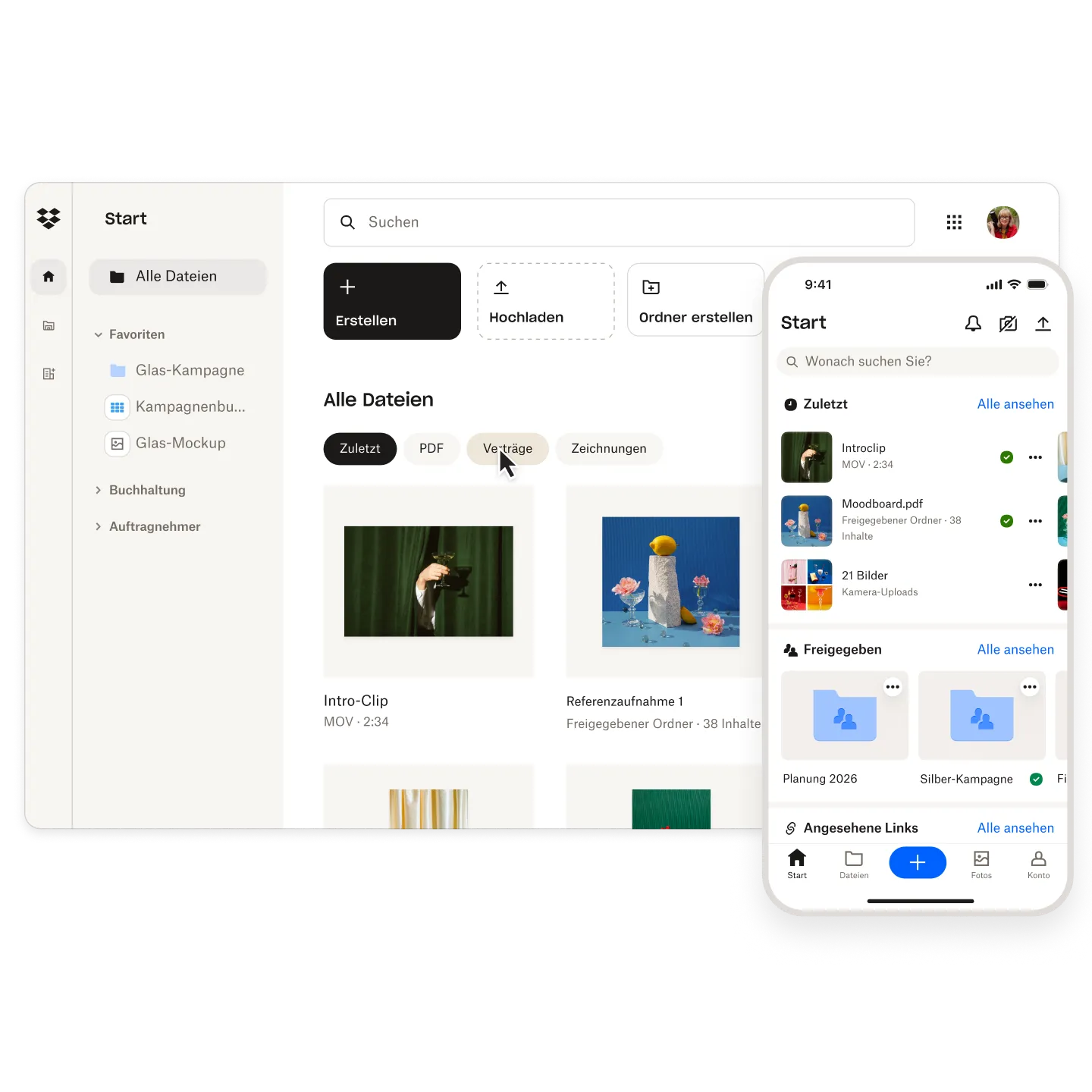
Connect Dropbox to Claude to find and organize content, create share links and file requests, and save generated text without leaving Claude.
 R
↗
R
↗
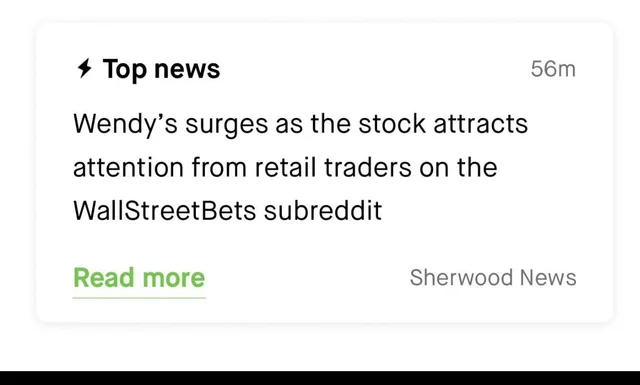
Money Money 💰 Money! Wendy’s is going to $100 submitted by /u/Abject-Ad778 [link] [Kommentare]
 C
↗
C
↗
Built by the community for the community, Colorado Startup week is a celebration of everything entrepreneurial in Denver and is the largest free event of its kind. Join us as we celebrate a thriving entrepreneurial ecosystem in Denver and beyond, showcasing and building a global culture of innovation. This is the form to submit your Community Event for Denver Startup Week 2026. To read about Community Events, please visit our website: www.costartupweek.com/community-events. Colorado Startup week is September 14-18, 2026. Community sessions close Wednesday, July 1.
R
↗
I'm not one to post about crypto in general based on the largely bot driven topics/sentiment, I just find the (fairly realistic) topic interesting.. A singular person being worth more than the entire industry is mind blowing.. submitted by /u/Appleface303 [link] [Kommentare]
R
↗
This is the time to buy, the markets will eventually turn things around. What are you buying to capitalize? submitted by /u/Valuable-Dog490 [link] [Kommentare]
 R
↗
R
↗
I've been comparing GPU/LLM providers for a side project and ended up with way too many browser tabs and spreadsheets. So I decided to pull the public pricing data into one sheet and compare it side by side. A quick disclaimer: this is not benchmark data. I didn't run latency tests or throughput measurements. Everything comes from public pricing pages and APIs (OpenRouter, DeepSeek, Together AI, Fireworks, Groq, etc.). The spreadsheet currently tracks: Input/output token pricing Context windows Cached input pricing (where available) Supported models Provider-specific pricing differences The thing that surprised me most was caching. For example, when looking at DeepSeek V4 Pro pricing across providers, cached input costs vary dramatically. In some cases a cache hit is tens of times cheaper than a cache miss. That made me realize that if you're running: Agents with large system prompts RAG pipelines with reusable context Multi-turn conversations Repeated prompt templates ...the "headline" token price can be a lot less important than the caching policy. A few other interesting things I noticed: The same model can vary by multiple times in cost depending on provider. Some providers expose caching clearly, while others barely document it. Model availability and context windows aren't always consistent across providers. It's surprisingly hard to find all of this information in one place. A few things I haven't figured out how to compare yet: Real throughput (tokens/sec) Cold-start / queue times Whether providers are serving FP16, FP8, quantized variants, etc. Egress/network costs Reliability/uptime I'm curious how others evaluate providers. When you're choosing between OpenRouter, Together, Fireworks, Groq, DeepSeek, etc., what metrics actually matter to you beyond token pricing? https://preview.redd.it/4vj50mvhu79h1.png?width=1615&format=png&auto=webp&s=6c6c084927f83bfdadb5ed8e4378f520a1da6766 Am I missing any important data points that should be included in a v2? submitted by /u/Technomadlyf [link] [Kommentare]
 D
↗
D
↗
darktable 5.6 ships its first AI features: an AI object mask that turns a single click into a vector mask around any subject, and a neural restore module for ML-based denoise and upscale. Our focus was on building the foundation that loads and runs open computer-vision models locally on your CPU or GPU – so darktable can host AI tasks suitable for photography as the open model landscape evolves. This post is the hands-on tour: what each tool does, how to use it, and where it falls short.
 D
↗
D
↗
Exploring the crowded space of form limiter apps on the Google Workspace Marketplace, and their business models.