I'm working on a paper and would love some input on model choice. Suppose you're trying to detect a specific type of cancer, but the negative samples are visually and morphologically very similar (i.e., “mimics” of the cancer). In this setting, would it make more sense to approach the problem as: Anomaly detection (treating the cancer as the target distribution and everything else as out-of-distribution), or Supervised classification (explicitly learning to distinguish cancer vs. mimics)? submitted by /u/DryHat3296 [link] [Kommentare]
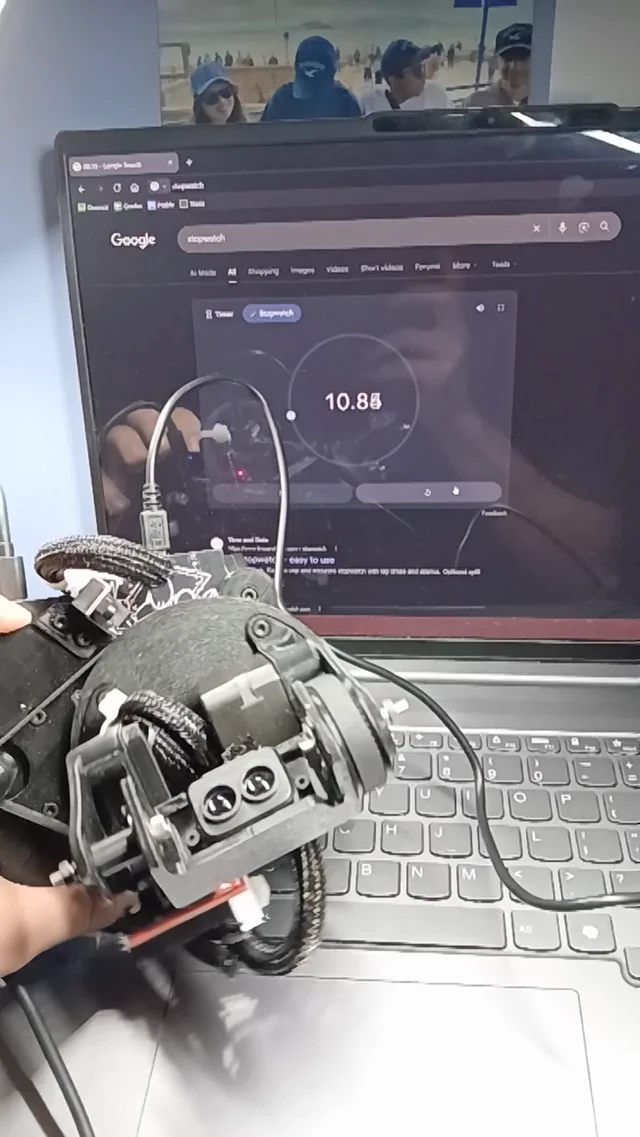
I've always been interested in point clouds and spatial data, so I created my own LiDAR scanner! It runs off of an esp32 and TMC2209s on a custom PCB, which continuously rotate and sweep the LiDAR sensor. I learned a ton creating this project, as this was my first time creating a PCB and using NEMA motors (I have used other motors before). Github repo submitted by /u/thatonebckid [link] [Kommentare]

The real cost of comparing vendors isn't the price you pay — it's the weekend you lose, the decision you flinch on, and the deal you miss. Here's why DIY research breaks down, and what to do instead.

Hi, About a year ago I shared my PaddleOCR implementation here. Since then I've made many improvements, and it now supports PP-OCR v3 through the latest v6 models. The official Paddle C++ runtime has a lot of dependencies and is very complex to deploy. To keep things simple I use ncnn for inference, it's much lighter (and faster in my task), makes deployment easy. Hope it's helpful to some of you, and feedback welcome! https://github.com/Avafly/PaddleOCR-ncnn-CPP submitted by /u/Knok0932 [link] [Kommentare]
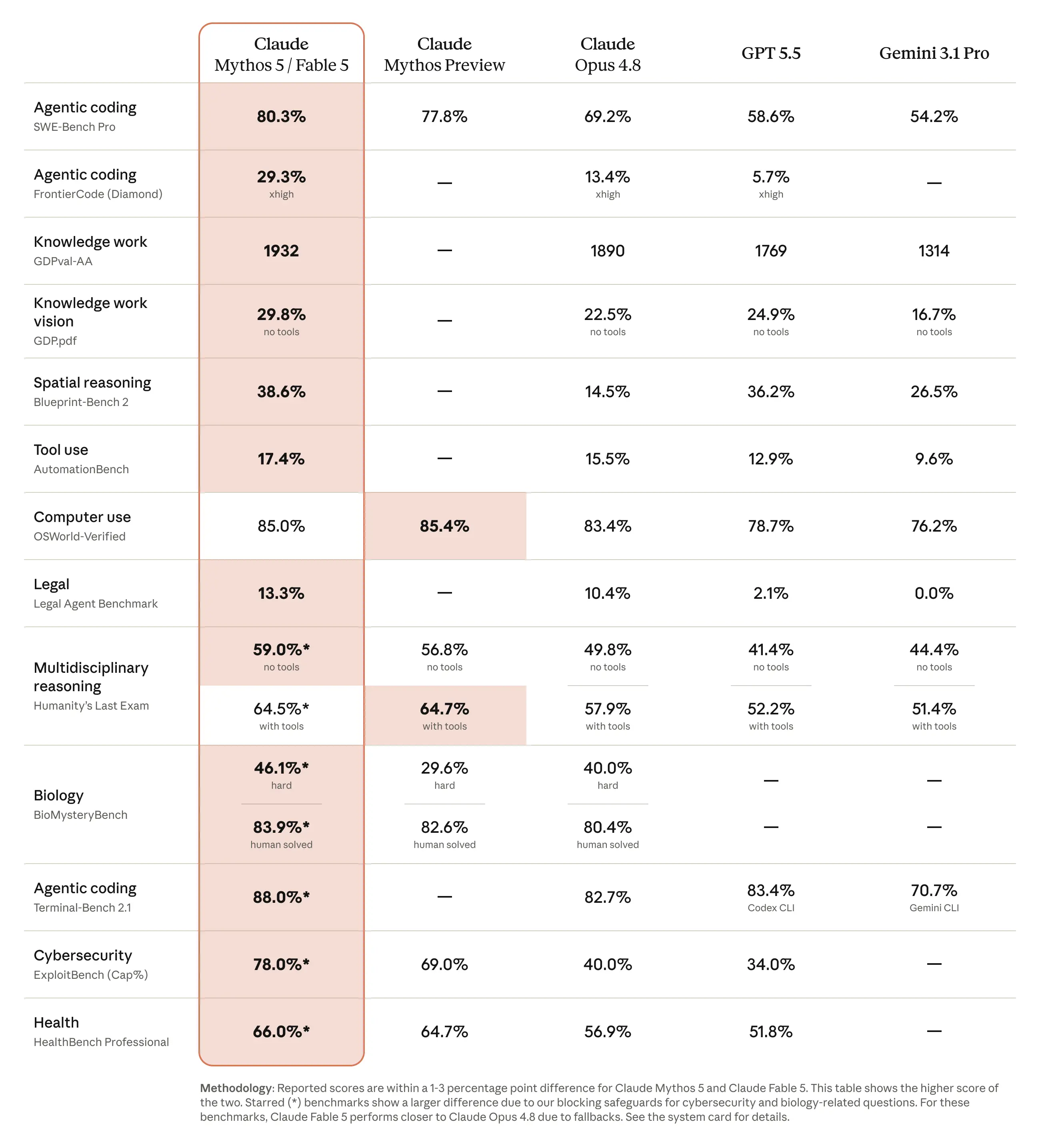
How the Claude Code engineering team’s processes and structure changed once agentic coding became the default way of working.
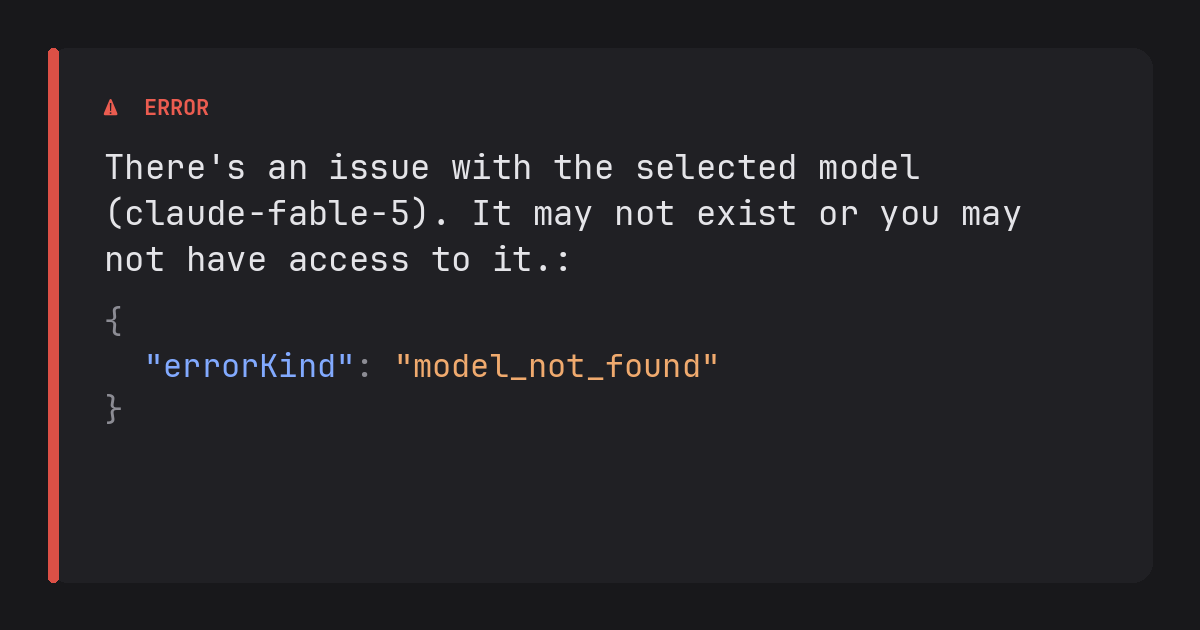
Man, I was just trying to relax and (have my agent) code on a Friday