An open educational evercookie lab showing how websites can persistently re-identify a browser across storage vectors.
Community-driven AI-powered research directory of global startup ventures.
In the coming weeks, Apple will move anonymously generated emails addresses to a different domain.

no, it did not cause the flooding in Dubai
Otty is a blazing-fast, GPU-accelerated terminal emulator.

Audited OpenAI financials viewed by Ed Zitron and verified by the Financial Times show $13.07B in 2025 revenue, $34B in costs, and a $38.5B loss attributable to OpenAI.

BYD isn't slowing down in just about any metric, but its recent push to expand its powerful supercharger network is impressive.
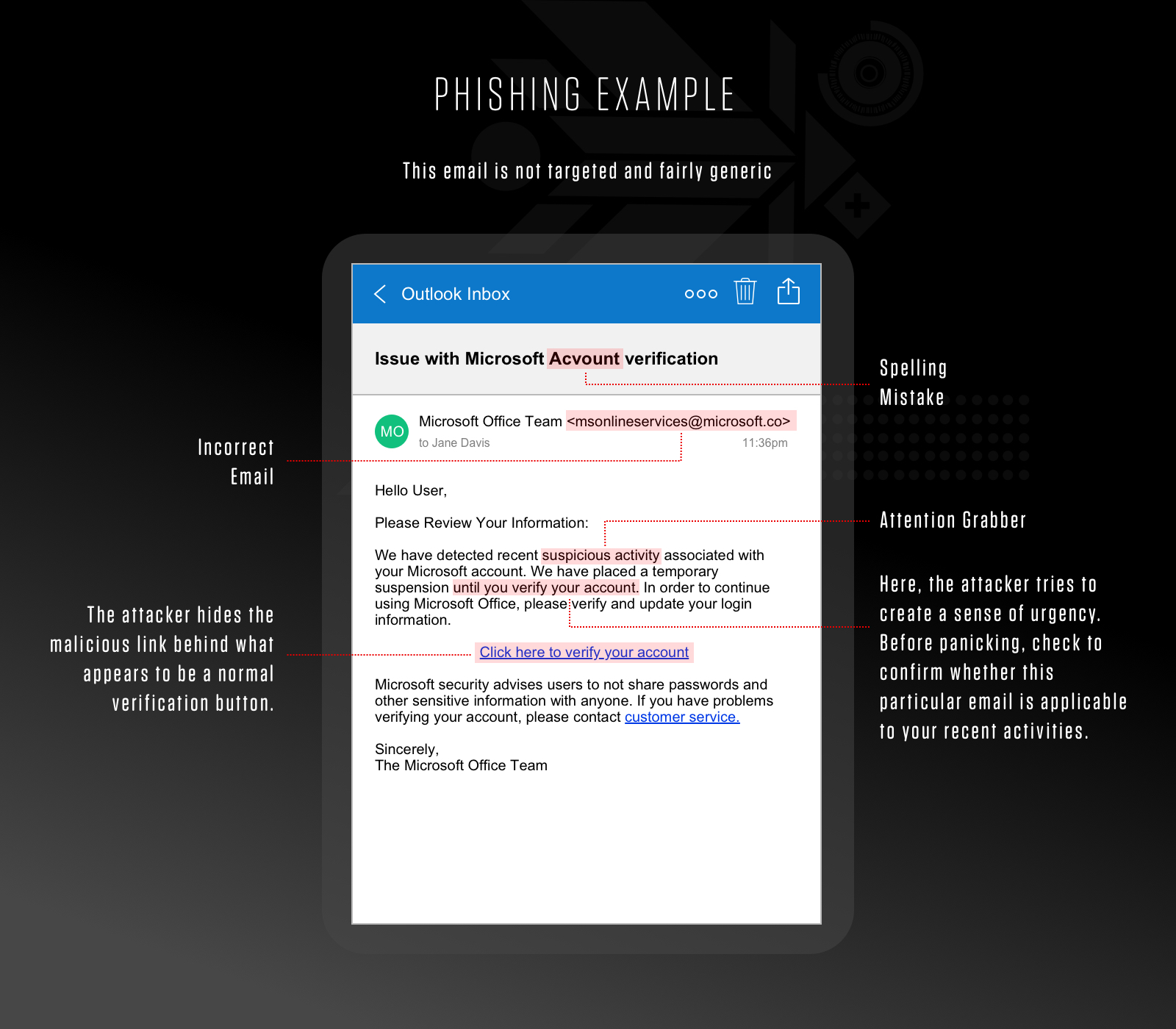
Introduction Email, the ubiquitous communication tool, was not originally designed with modern privacy concerns in mind. Its underlying architecture contains limitations that could expose sensitive information to potential exploitation. This technical guide will examine the core issues threatening email privacy.


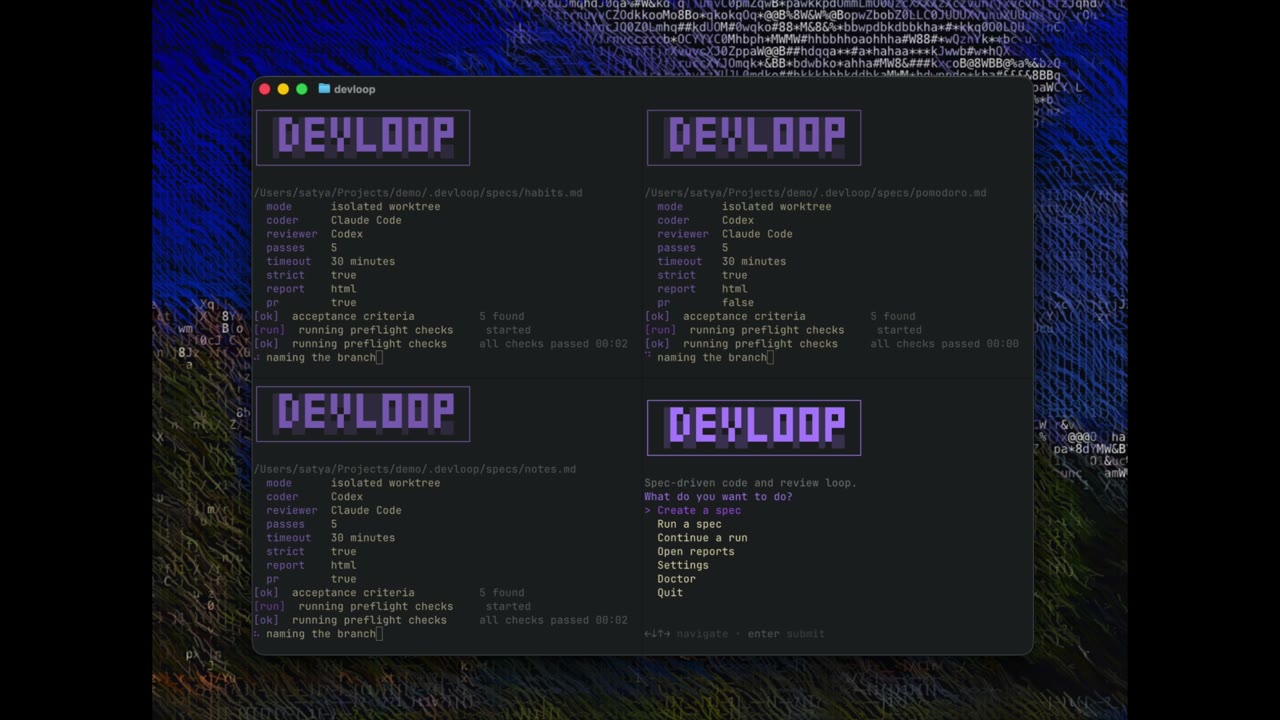
Spec-driven local agent loop: Codex implements, Claude Code reviews, and retries until all acceptance criteria are met.

Browser System With Zero HTML/CSS/JS. Contribute to nz366/zero_browser development by creating an account on GitHub.
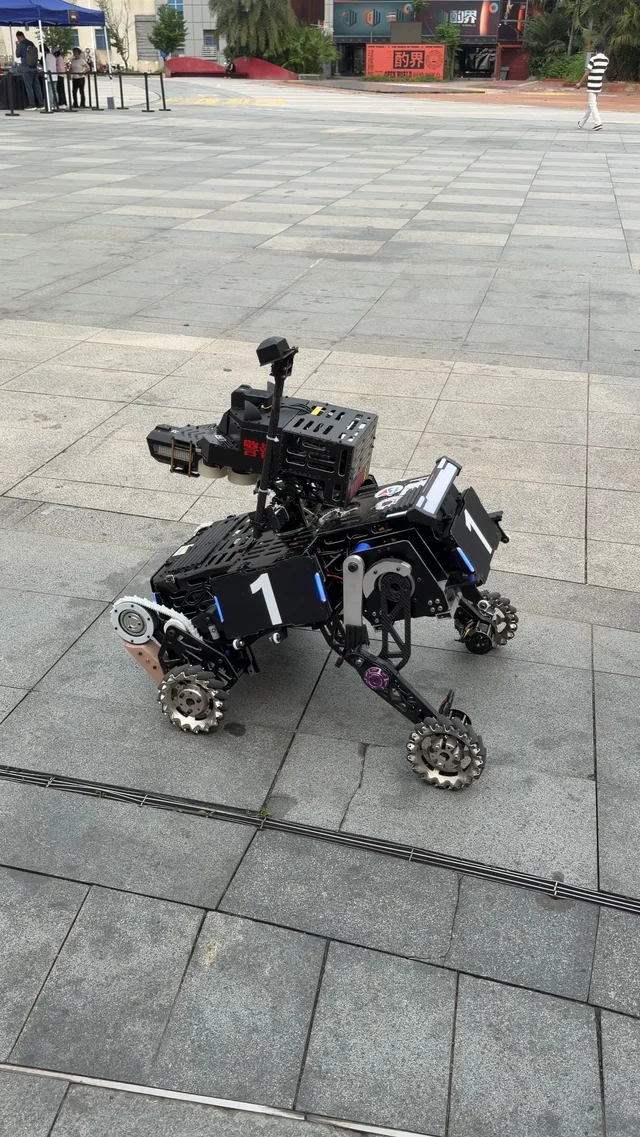
The robot behaved long enough for us to record this video. This robot was developed for the RoboMaster competition and powered by us. submitted by /u/Cubemars [link] [Kommentare]
Lotteries and tickets are often used as a didactical analogy to explain the success of overparameterized neural networks: “larger networks succeed because they more likely contain a well-initialized subnetwork that can learn the task in isolation, much like buying more tickets increases the chances of winning a lottery.” This explanation is intuitive but misleading: it suggests that subnetworks can be treated in isolation from the rest of the network. Following this reasoning leads to interpreting learning in wide networks as a multi-start optimization process, where gradient descent simply conducts a parallel search over subnetworks. We argue that this view is flawed since, among other reasons, winning tickets can be made to fail by perturbing the rest of the network. We put forward a more accurate intuitive picture for the success of overparameterization based on the geometry of loss landscapes: increasing width expands the set of available dimensions for optimization, making it easier to escape bad local minima. Moreover, as width grows, bad minima become increasingly rare relative to good minima. As the field grows mature, it is important to refine the analogies we use to explain foundational phenomena, such as the apparent redundancy of large networks, reconciling practitioners' intuitions with modern theoretical insights.