 N
↗
N
↗
SuperAgers’ hippocampi have a unique environment that supports the birth, survival of new neurons
 F
↗
F
↗
Brainstorming club. Creativity is more than merely any solitary individual trait or characteristic, but an often frustrated human social and intellectual stimulus appetite and struggle. Therefore capable relationship, especially true friendship and authentic Eudemonia, arises only as byproduct of fully engaged purposeful interaction and/or substantive communication and never otherwise.
 M
↗
M
↗
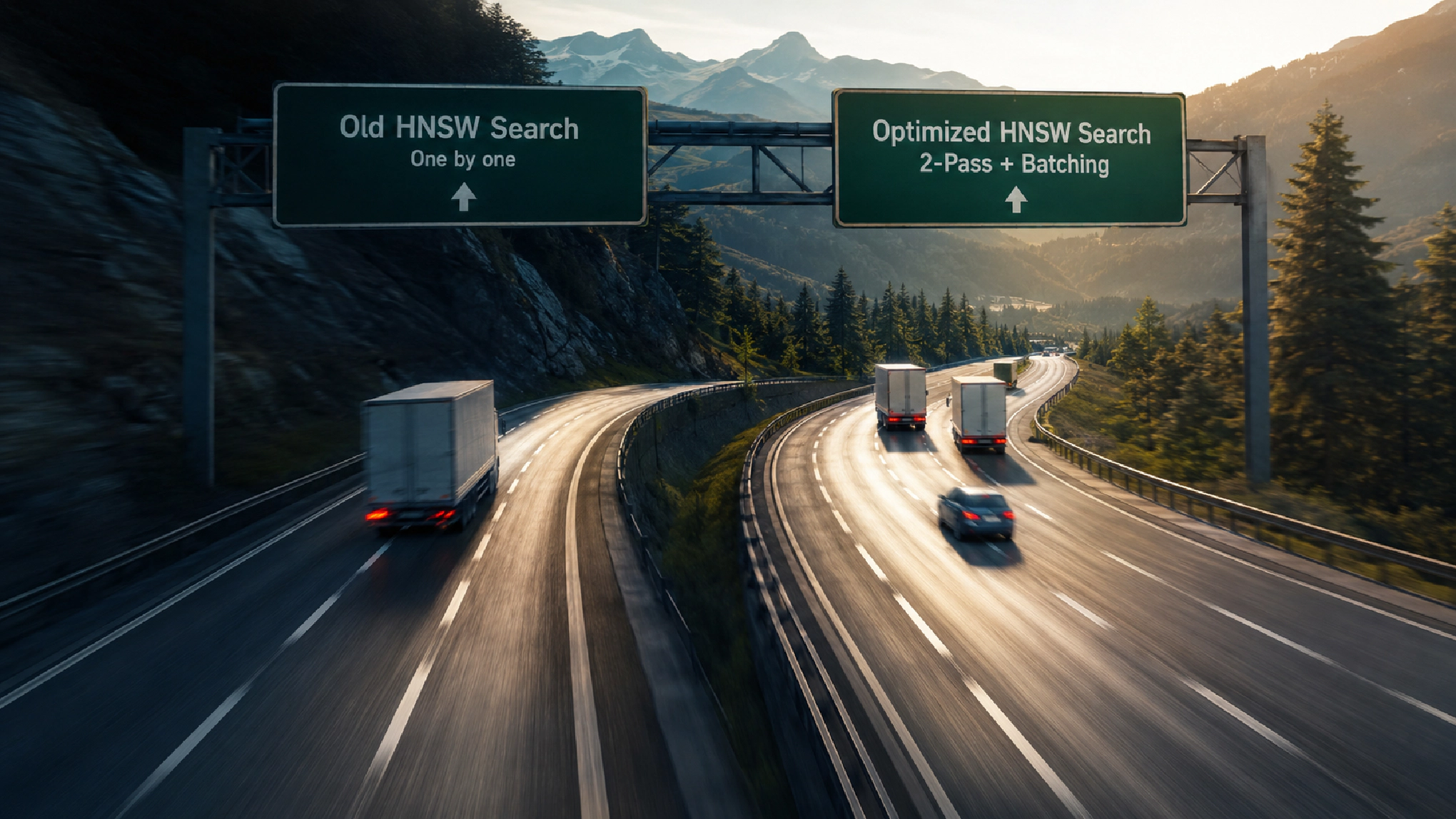
Three optimizations that speed up HNSW vector search by up to 29%: restructured graph traversal for better cache utilization, batched distance computations, and AVX-512 support.
 A
↗
A
↗
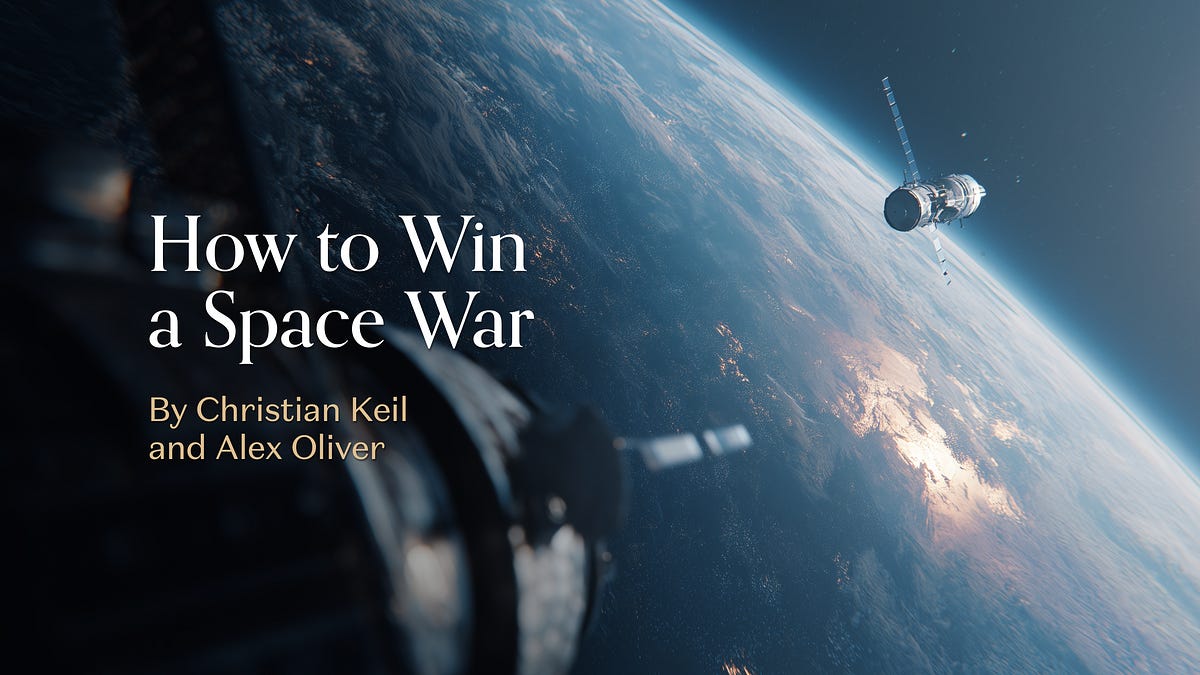
In a space war, America must fight on the side of order
 C
↗
C
↗
And no, having geeky or niche interests doesn't make you annoying.
 S
↗
S
↗
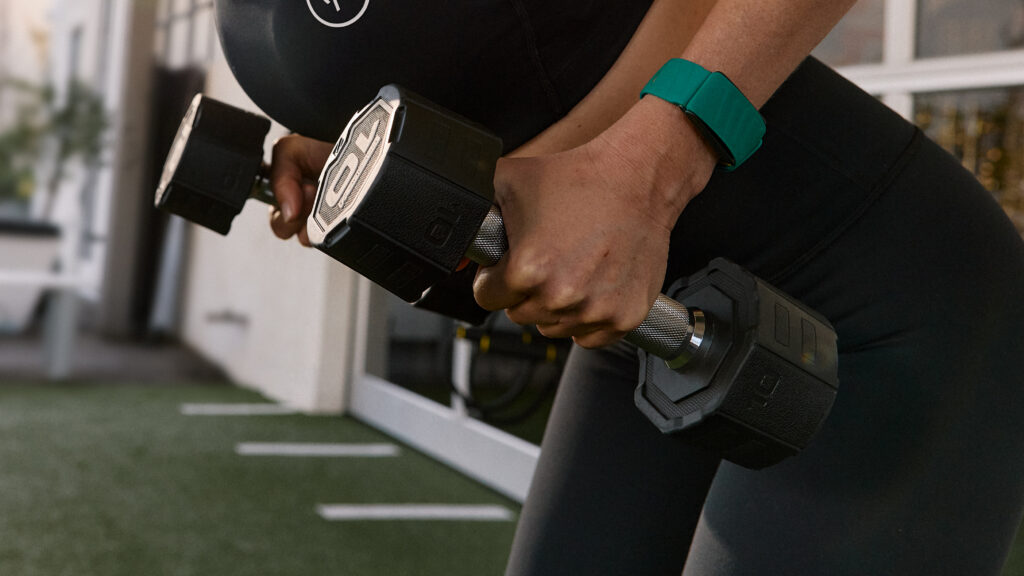
The FDA told wearable maker Whoop last week that it would not take further enforcement action over the company's blood pressure feature.
 X
↗
X
↗
Image by Pete Welsch, via Wikimedia Commons Philip K. Dick’s mind was invaded in 1974. It happened following surgery for an impacted wisdom tooth. While recovering, the author of Ubik and The Man in the High Castle, received a delivery of pain medication.
 S
↗
S
↗
SpaceX has asked the U.S. FCC to launch up to one million satellites as orbital AI data centres — on top of the ~10,000 Starlink already in orbit. Astronomers warn that at that scale we’d see more satellites than stars across large parts of the night, everywhere on Earth. This viewfinder shows roughly what a 35mm frame of dark sky would look like under each scenario. By the way — I also make Weathergraph, an obsessively detailed hour-by-hour forecast drawn as a single chart, so you read the whole day or week at a glance. Same love of packing real information into one frame — just with fewer satellites in the way. A 35mm full-frame lens sees about 54.4° × 37.8° — roughly 9.5% of the visible hemisphere. The naked eye sees fewer than 4,500 stars across the whole sky, so a dark-sky 35mm frame holds ~410 stars. They’re drawn as a star-tracked frame (fixed), so any moving point is a satellite. How they actually look & move. Real Starlinks are bright bluish-white dots that shine steadily — they don’t blink like aircraft. Because every satellite rides a shared orbital plane, a pass is a set of parallel tracks, not random scatter. Fresh launches travel as a tight, evenly-spaced “string of pearls” train before they disperse around their plane. This sim uses a handful of discrete lanes (Starlink shells sit near 53°, 70° and 97.6° polar inclinations) with trains running along them; each train is sized slightly differently to reflect varying orbital altitude. Counts. Lawler, Boley & Rein calibrated to real Starlink: at 65,000 satellites, 1 in 15 visible points is already a satellite. I scale that visible-fraction per scenario, then raise the 1M case — the proposed orbital-data-centre satellites sit in higher orbits that stay sunlit longer, so their all-sky sim predicts tens of thousands naked-eye-visible at once. Illustrative prototype, not an observatory-grade ephemeris — real visibility swings with season, latitude and time of night, peaking near dusk and dawn. The plan was filed with the FCC in Jan 2026. Appearance/motion: space.com, DLR, orbitalradar. Counts: Lawler, Boley & Rein, “A million new SpaceX satellites will destroy the night sky,” The Conversation, Mar 2026.
 P
↗
P
↗
Today is a special day in home entertainment history! The Blu-ray Disc format, which of course is the basis for today’s 4K Ultra HD format,
 T
↗
T
↗
The fee will be increased from the current ¥3,000 to ¥15,000 for a single-entry visa and from ¥6,000 to ¥30,000 for a multiple-entry visa starting July 1.