 G
↗
G
↗
You'd think that given the same bytes of input you'd get the same bytes of output. lol. lmao. No, you don't. It's complicated.
 X
↗
X
↗
Home prices will likely hit $1 million around the year 2050, when the millennial generation is hitting retirement, a top economist predicts.
 A
↗
A
↗
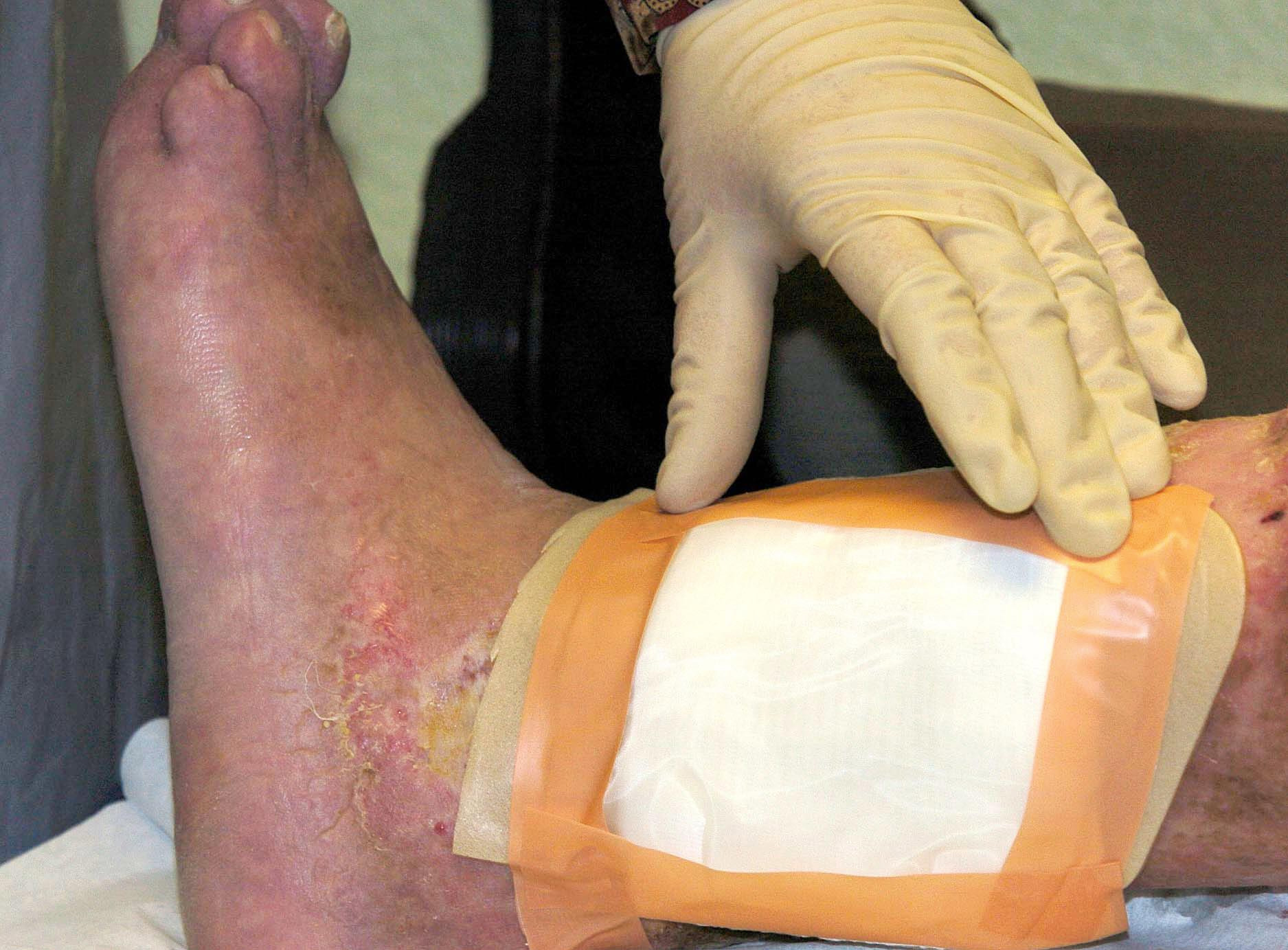
Maggot therapy lacks robust data, but it has fans and a fail-safe "bacon therapy."
 M
↗
M
↗
Access a subscriber-only eBook of a collection of stories about how militaries are using Al models to make decisions.
 G
↗
G
↗
Our quest to build a scalable, LLM-safe design system
 T
↗
T
↗
The Justice department says the Pentagon needs xAI to keep using its unpermitted gas turbines.
 C
↗
C
↗
Cursor disclosed at its June 16 Compile event that a 1.5 trillion parameter coding model is training across 100,000 GPUs and is weeks from launch.
 Q
↗
Q
↗
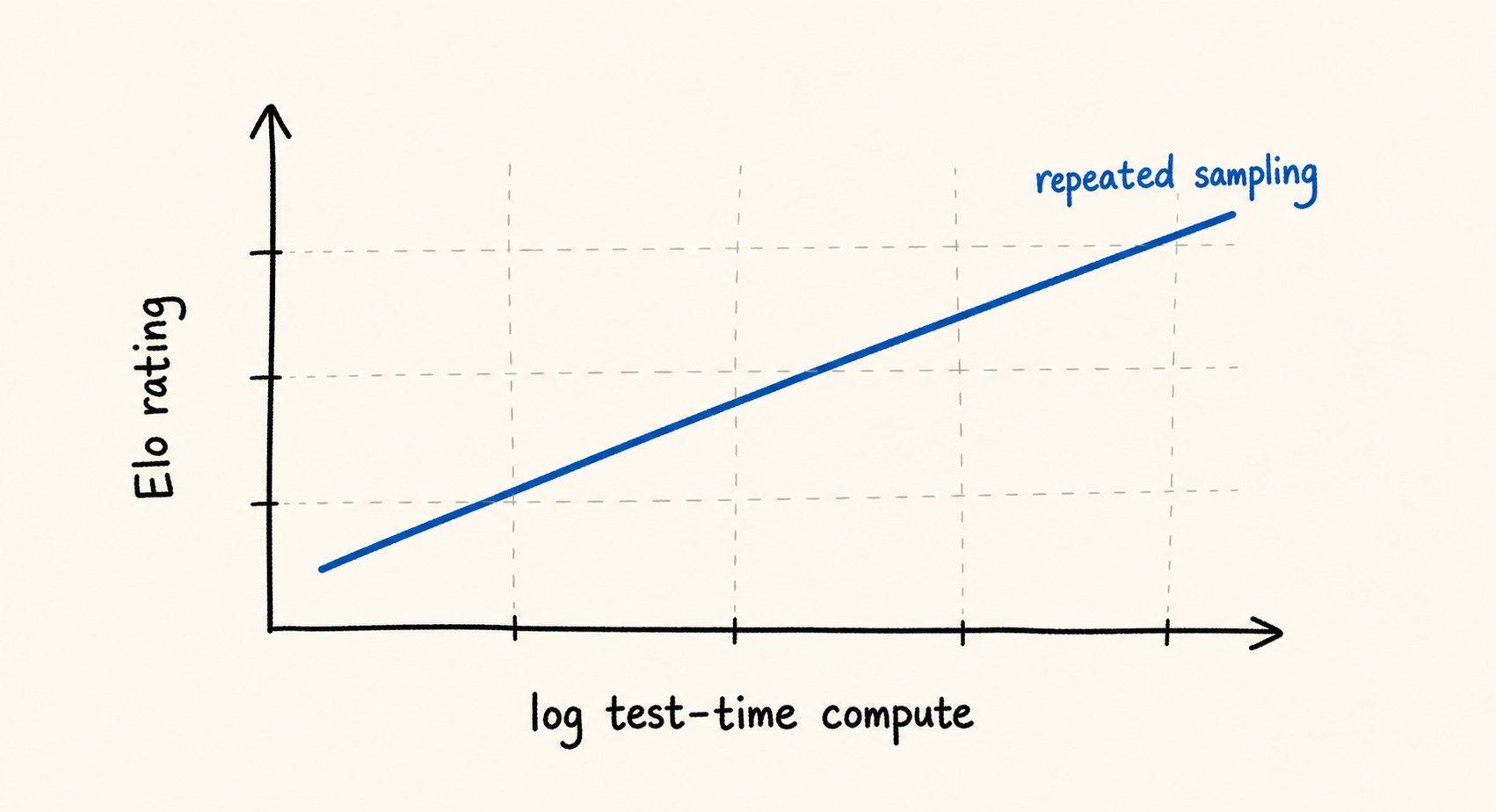
Agents can spend test-time compute by trying, observing, and revising. We derive an Elo reference for repeated sampling, then show that in a 2022 two-week coding marathon, current agents plateau within 24 hours while top humans keep improving.
 Y
↗
Y
↗
A data leak has exposed private data on billionaire Peter Thiel’s “Dialog,” an invitation-only network of high-profile figures.
 A
↗
A
↗
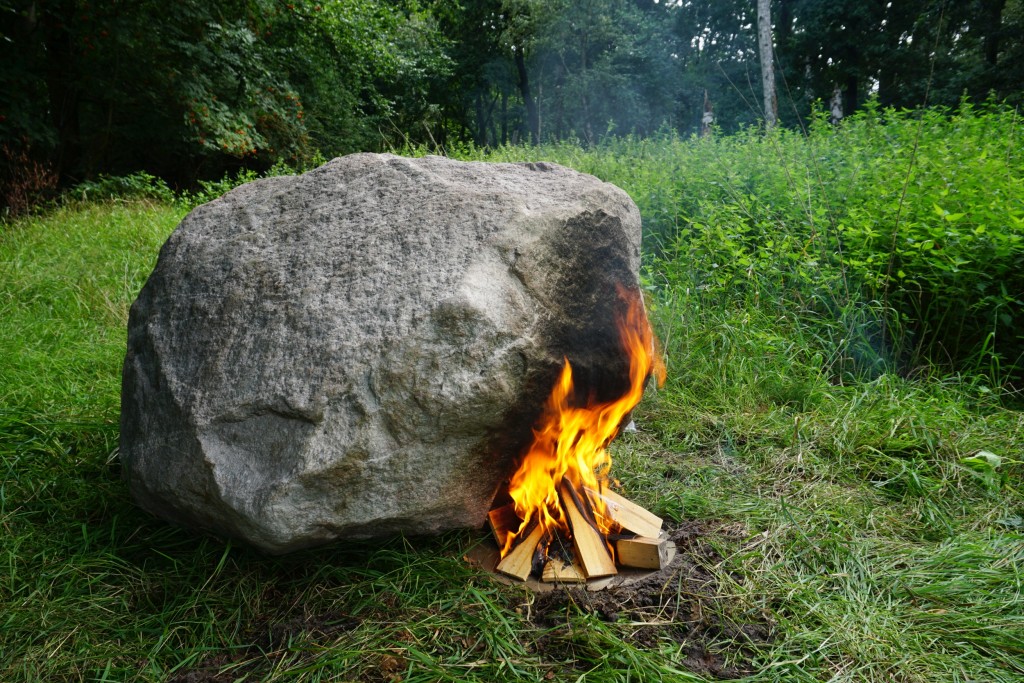
Keepalive 2015outdoor sculpture rock, steel, router, usb-key, thermoelectric generator, fire, software, PDF database 100×110×90 cm Landart Kunstverein Springhornhof Neuenkirchen, Niedersachsen, Germany. Commissioned by Center for Digital Cultures, Leuphana University Lüneburg; curated by Andreas Broeckmann, Leuphana Arts Program Inauguration: Sunday, August 30, 2015, 11:00 am at Springhornhof The boulder from the region Neuenkirchen, Niedersachsen contains a thermoelectric generator which converts heat directly into electricity. Visitors are invited to make a fire next to the boulder to power up the wifi router in the stone which then reveals a large collection of PDF survival guides. The piratebox.cc inspired router which is NOT connected to the Internet offers the users to download the guides and upload any content they like to the stone database. As long as the fire produces enough heat the router will stay switched on. The title Keepalive refers to a technical network condition where two network endpoints send each other ’empty’ keepalive messages to maintain the connection.https://en.wikipedia.org/wiki/Keepalive To visit the piece please arrange an appointment with Springhornhof.de. The project ‘Keepalive’ by Aram Bartholl was realised in the context of the research project ‘Art and Civic Media’, as part of the Innovation Incubator Lüneburg, a large EU project funded by the European Fund for Regional Development and the Germna State of Lower Saxony. Press http://hyperallergic.com/231483/fire-up-a-wifi-router-hidden-inside-a-rock/ Official Invitation (german) http://springhornhof.de/aram-bartholl-keepalive/ Pictures https://www.flickr.com/photos/bartholl/sets/72157655953293283 Invitation: _________________________________________________ You are warmly invited to the Keepalive opening on Sunday, 30th of August 2015 11.00 a.m. Meeting point at Kunstverein Springhornhof Leaving for the site by car (approx. 10 min) or by bicycle (approx. 20 min, rental bikes are available) 11.30 a.m. Greeting: Prof. Dr. Martin Warnke (Chair of Art Association) In discussion: Andreas Broeckmann (Leuphana Arts Program) Aram Bartholl Afterwards Food, drinks and data sharing at the campfire ___________________________________________________ ‘Keepalive’ by Aram Bartholl (*1972 in Bremen) looks just like a normal rock from the outside. There is no sign that the stone, which lies inconspicuously in Lüneburger Heide on the edge of idyllic Hartböhn, contains hundreds of digital books. An internal thermoelectric generator and WiFi router must be activated by a lighting a fire under the rock before an electronic survival guide library can be accessed. Data and text can also be added by smartphone or laptop. Media artist Aram Bartholl works with paths of knowledge and information communication that work against the developments of the digital age and question our handling of data. In this and other projects, he undermines power structures and control mechanisms in the use of internet services and data transmission, mostly through the introduction of a random, uncontrollable element. In ‘Keepalive’ the stone itself becomes the data medium. In a very archaic, but at the same time clandestine manner, information can be exchanged only locally – in contrast to networked servers, services and clouds worldwide, this rock is not connected to the internet. You have to get close to nature in the countryside, find the stone and make a fire to activate the data source. Anyone can do it once they have found out the exact location of the stone from either the nearby Kunstverein Springhornhof or another source. Following the advice in the survival guides prepares you – this is the promise at least – for solo survival in the chaotic world of computer programming as much as for solo survival in the wilderness. ‘Keepalive’ examines what ‘survival’ really means and sounds out our true needs. The work resists the centralising forces of the Internet, raises questions about the democracy of knowledge management and ignites an autonomy backlash. (Jennifer Bork) Supported by the European Regional Development Fund and the State of Lower Saxony. Read statement Hide statement More photos
 G
↗
G
↗
While NGINX is famous as a reverse proxy - distributing incoming traffic to backend servers like Puma or Uvicorn, it can also function as a forward proxy (also known as …