 P
↗
P
↗
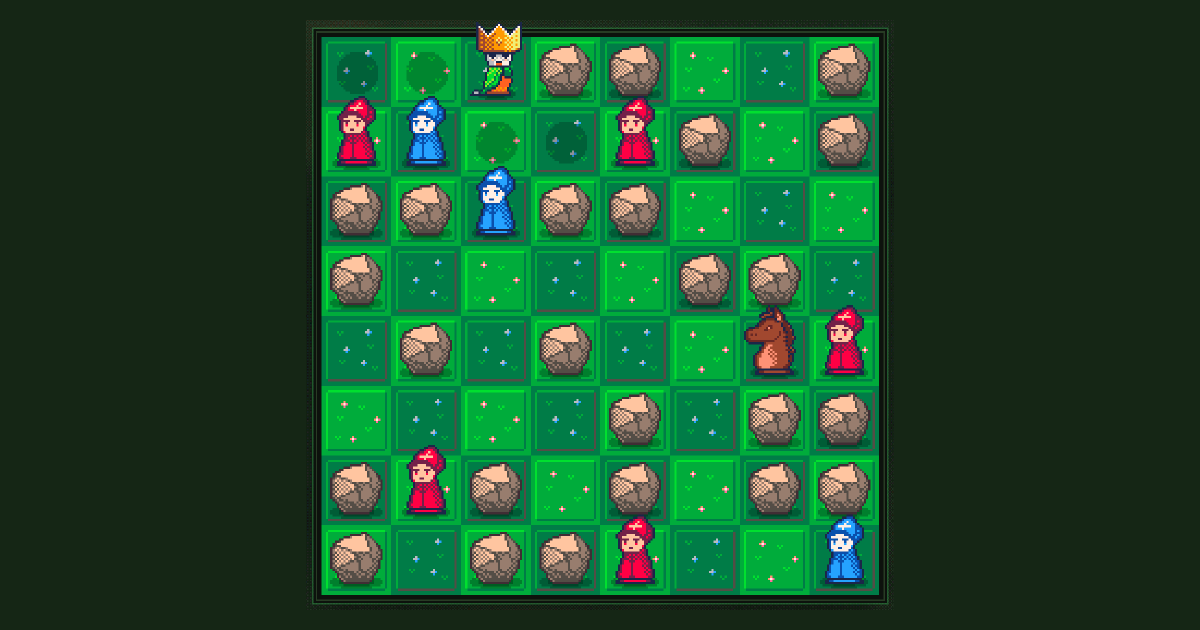
A seeded chess-pathfinding roguelite. Guide Prince Chazz across the board, dodging enemy pieces, and race the per-seed leaderboard.
 L
↗
L
↗
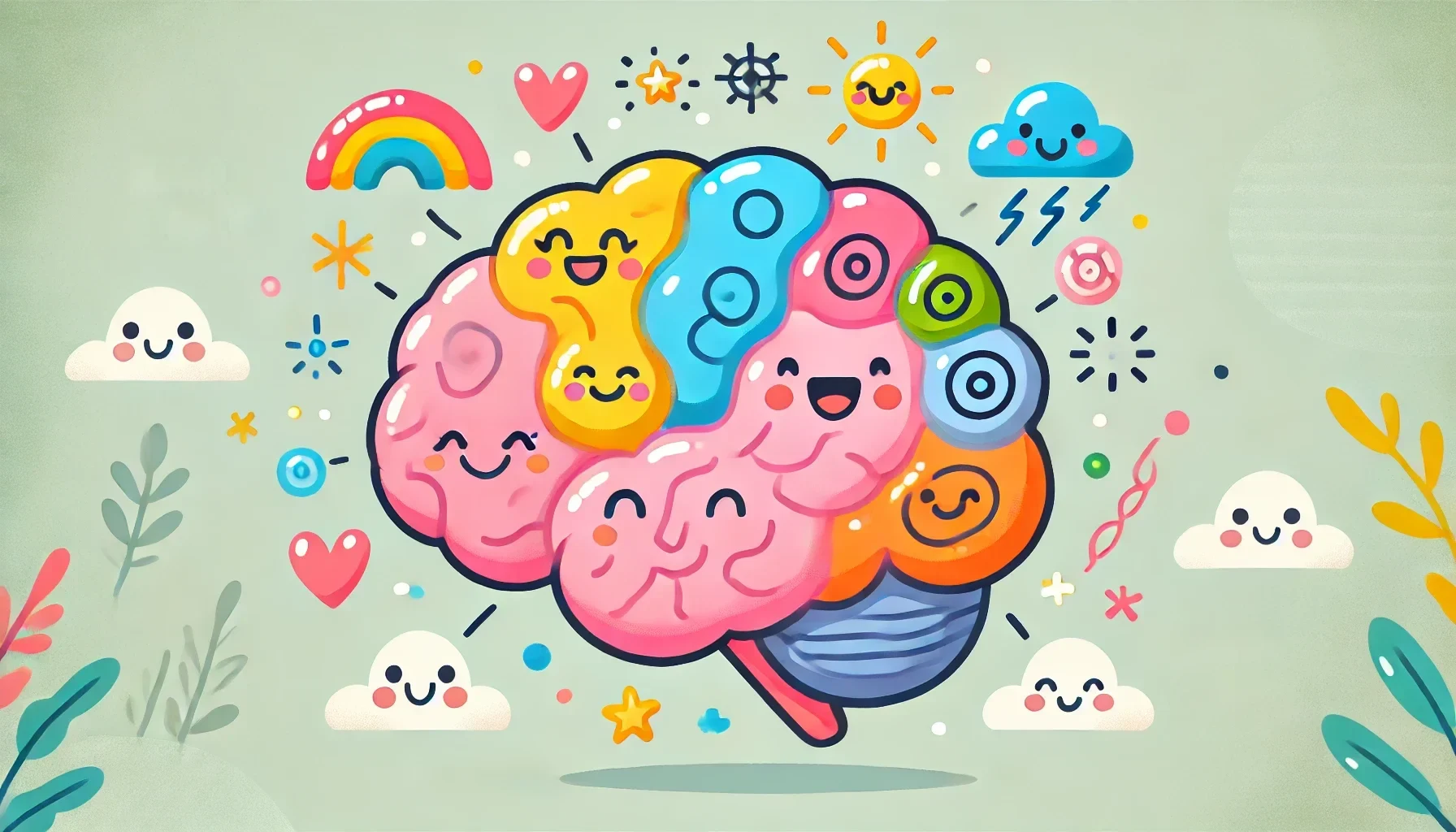
This is a rather ambitious series of blog posts, in that I’ll attempt to explain what’s the deal with consciousness, free will, hypnotism, enlightenment, hallucinations, flow states, dissociation, akrasia, delusions, and more. The starting point for this whole journey is very simple: * The brain has a predictive (a.k.a. self-supervised) learning algorithm. * This algorithm builds generative models (a.k.a. “intuitive models”) that can predict incoming data. * It turns out that, in order to predict incoming data, the algorithm winds up not only building generative models capturing properties of trucks and shoes and birds, but also building generative models capturing properties of the brain algorithm itself. Those latter models, which I call “intuitive self-models”, wind up including ingredients like conscious awareness, deliberate actions, and the sense of applying one’s will. That’s a simple idea, but exploring its consequences will take us to all kinds of strange places—plenty to fill up an eight-post series! Here’s the outline: * Post 1 (Preliminaries) gives some background on the brain’s predictive learning algorithm, how to think about the “intuitive models” built by that algorithm, how intuitive self-models come about, and the relation of this whole series to Philosophy Of Mind. * Post 2 (Conscious Awareness) proposes that our intuitive self-models include an ingredient called “conscious awareness”, and that this ingredient is built by the predictive learning algorithm to represent a serial aspect of cortex computation. I’ll discuss ways in which this model is veridical (faithful to the algorithmic phenomenon that it’s modeling), and ways that it isn’t. I’ll also talk about how intentions and decisions fit into that framework. * Post 3 (The Active Self) focuses more specifically on the intuitive self-model that almost everyone reading this post is experiencing right now (as opposed to the other possibilities covered later in the series), which I call
 G
↗
G
↗
LiveKit Turn Detector v1 listens to speech directly instead of waiting on a transcript, fusing semantic and acoustic understanding for state-of-the-art end-of-turn detection across 14 languages. With v1, turn detection is a solved problem for agents built on LiveKit.
 P
↗
P
↗
FulcrumSec claims 1.3 TB stolen from Novo Nordisk, including the Ozempic formula, source code, and clinical trial data. Initial access via a GitHub token, two months of dwell time, and what every engineering org should learn.
 F
↗
F
↗
As soon as we started doing any operations above Europe, we noticed that there was really something going on there.
 P
↗
P
↗
On a sound bath at the edge of a lake, the word for melting what has frozen, and the oldest medicine there is.
 L
↗
L
↗
Owners of affected iPhones can stop checking for patches now: the fix for this SecureROM bug comes in a new handset
 B
↗
B
↗
Despite all his wealth, Musk’s existence is a cautionary tale.
 M
↗
M
↗
Moji ist eine persönliche KI, die in WhatsApp, Telegram und LINE lebt — ein echter Agent mit eigenem Computer. Erinnerungen, Pläne, Antworten und Infos, genau dort, wo du eh schon chattest.
 X
↗
X
↗
Today, on my final day as Director of National Intelligence, I’m releasing never-before-seen communications and documents exposing how Dr. Fauci provided millions in US taxpayer dollars to fund dangerous gain-of-function research at the Wuhan lab, worked with politicized elements https://t.co/ZMdliW4zyS
 J
↗
J
↗
The new JVM Weekly is here... and Ragnarok seems to come, as we finally have Valhalla in the JDK. However, situation is a bit... nuanced.
 H
↗
H
↗
Who was Johannes Vermeer?
 V
↗
V
↗
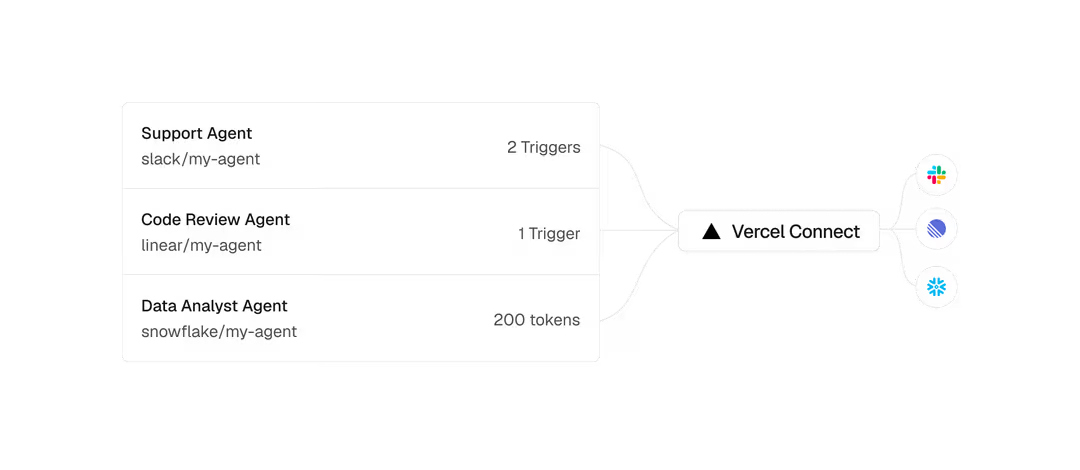
Vercel Connect lets your apps and agents access Slack, GitHub, and other services without storing long-lived secrets. Register a connector once and request scoped, short-lived tokens at runtime. Now in Public Beta.