Channels

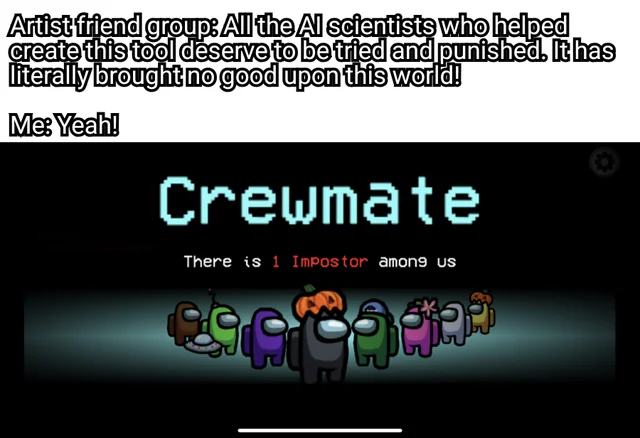

Some observations on Kimi: 1. It's a very good model! I don't think its performance can be explained away by distillation or anything like that. In agentic coding sessions, it seems pretty much on par with the best public models of Q1 2026. In my fairly limited use, it also seemed very token hungry. It's not obvious to me that this model is actually that cheap to run. 2. I am personally surprised the Chinese state continues to allow the open sourcing of models this good, given potential risks. To be clear, I *myself* might be fine with models presenting this level of marginal risk being open weight, but I am surprised that China is fine with it. I suspect the reason they are is 75% explained by strategic blindness/lack of AGI-pilledness (the CCP is very Yann Lecun-y in its views of AI). The other 25% or so is their lack of compute for customer inference (making China's open-weight strategy an unintended byproduct of US export controls) and the normal Chinese strategy of aggressive exports. For the companies, as opposed to the government, the decision to open source is partially ideological and partially because they are behind, and they know that very few people would pay for sub-frontier models from China. 3. Open-weight models are inherently decelerationist, and I'm continually surprised to see the so-called "accelerationists" so excited about open-weight models. I suspect the reason they are is that they know open-weight models are effectively ungovernable, and they simply like the overall cloak of ungovernability open-weight models create over the whole of AI. It's not a bad strategy; it reminds me of James Scott's recounting of the hill people in "the art of not being governed." Still, in the end, open-weight models deter further AI capex. 4. One probable outcome of an open-weight-model-dominant world is full AI communism, which is precisely what China proposes: rather than a market product, AI is a "public good" which will ultimately be provided by the state as a kind of "digital public infrastructure." This future strikes me as a dystopian hellscape, but I've never met an open-weight models advocate who doesn't ultimately concede this is where things end. You'd be surprised how many 'accelerationists' lobbied me, while I was in government, to support an eleven or twelve-figure federally funded data center so that startups could train models at a subsidy and then give them away for free. There was no other way for AI to progress, they said. Perhaps this is the logical end state of things. Nonetheless, I find myself surprised to see supposed accelerationists excited about such an outcome. I think many of them just don't know what they're doing. Many accelerationists do not view the creation and serving of frontier models as a legitimate business. 5. I would guess that the Trump Administration will at some point realize that their best strategy here would be to create large amounts of regulatory risk around the use of open-weight Chinese models. You don't need to "ban open source" (one of the dumber motifs of AI policy discussion). You just need to direct every agency to issue soft law that creates FUD. "A Federal Reserve Advisory Bulletin found that there may be backdoors in Chinese AI models." It needn't be that well justified. You just create enough regulatory risk that every regulated enterprise backs off. You probably don't want to create so much regulatory risk that you scare off the hyperscalers from serving Chinese models; this will just drive startups to sketchier providers. There's a happy middle ground here. I'd assume they will do some version of this. 6. It's probably true that open-weight models of this capability make the world a bit more dangerous, but not so much more that you'll really notice. At some point the models will be capable enough that you will notice. "A nonliving, invisible, dangerous, and infinitely self-replicating agent escaped from a Chinese lab," you say? Color me shocked.
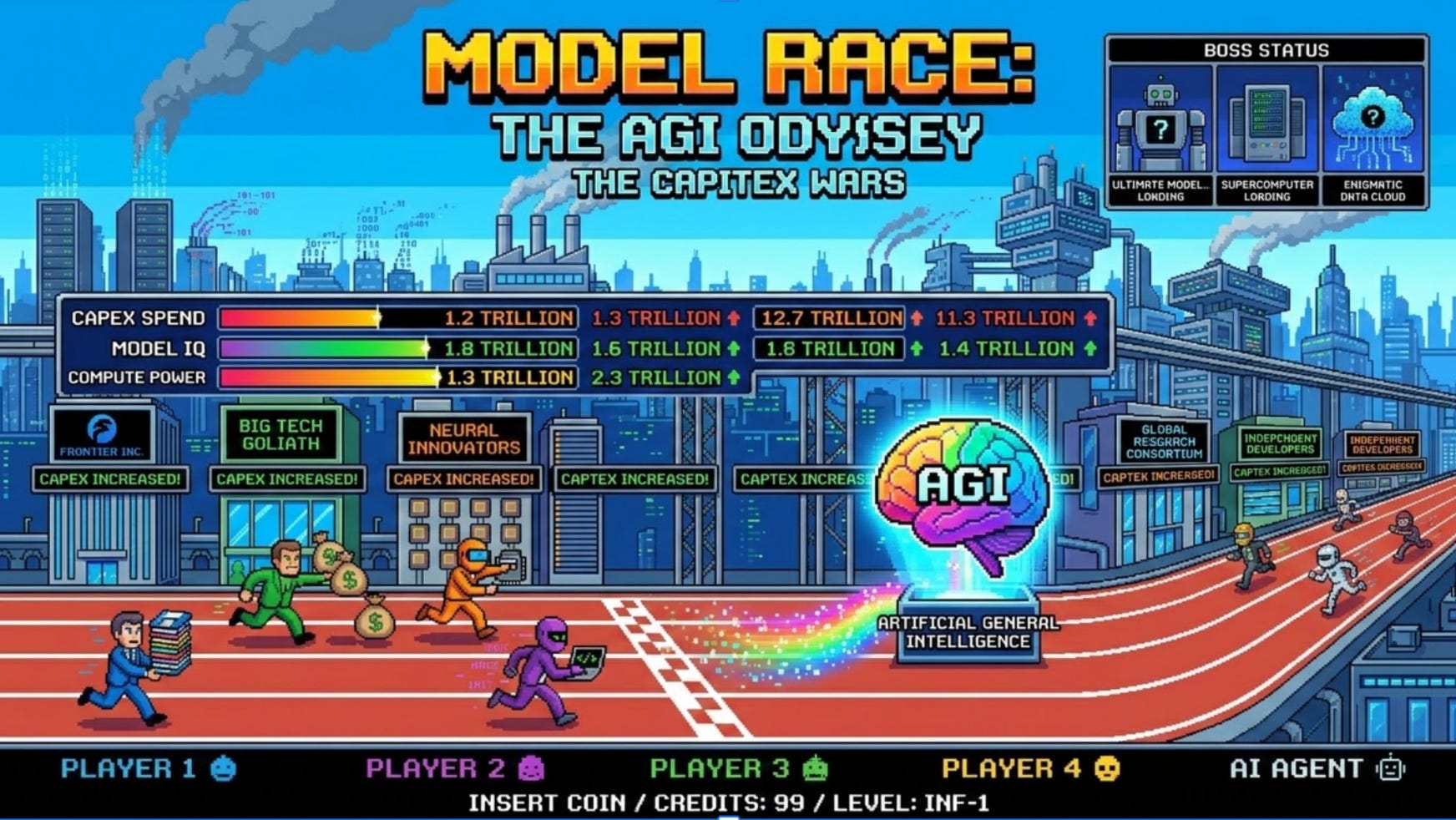
A round-up of my recent theses, and a wrap for the season.

Ergebnisse aus Wolframs laufender Beurteilung der LLM-Leistung. Der Leistungsvergleich basiert auf einer Wolfram Language-Codegenerierungsaufgabe Benchmarking-Projekt.
I have built several strategies - and one thing that never fails to be the centerpiece; the regime watcher. You can have the best strategy in the world. But if it activates at the wrong times it turns into the worst. I have found that sometimes the most basic regime catches the edge, for other strategies you need a complex regime gate. Currently I have a momentum trading algorithm and the best result was; most complex. I have set up a HMM model to define when it is actually risk on. On the flip side to catch a short trade I found simple MA regimes had the highest hit rate. Make them MECE and it’s a great combo. Besides these two you also have universe regimes, HMM models, volatility, the fantastic fear/greed, sentiments. Every gate with its own benefit. Just wondering. What do you see as the most important area? submitted by /u/qqAzo [link] [Kommentare]

Hey everyone! I’m a high school student helping run a student-led program that teaches Autodesk Fusion and CAD to students for free. We recently secured an international partnership and are getting ready to work with a lot more students, so we’re looking for a few more people to join the team. We’re especially hoping to find people who already have experience with CAD, whether that’s Autodesk Fusion, Onshape, SolidWorks, Inventor, or another program. Fusion experience would be ideal, but familiarity with other CAD software is still very useful since many of the main concepts carry over. The main roles we need are: Co-President and Vice Presidents: Help lead the team, communicate with partners, organize meetings, and help decide where the program goes next. This role will collapse onto the other two roles below. Mentors: Join weekly Zoom classes, demonstrate Fusion tools, answer questions, and help students when they get stuck. Curriculum Developers: Help improve our current lessons and create new activities, projects, and assignments. CAD experience is especially important for mentors and curriculum developers, but we’re also looking for people who are reliable, communicate well, and genuinely want to help students learn engineering. Apply here: https://docs.google.com/forms/d/e/1FAIpQLSckr1UBILkgySbmjvRhKD0qca_-Omxy_aLmG5aN6JIEhE9tJg/viewform?usp=dialog submitted by /u/Intelligent-Self1001 [link] [Kommentare]
Free local developer tools for JSON, CSV, YAML, regular expressions, Base64, JWT, text diff, and timestamps.

The agent loop got good enough to expose its own ceiling. The next discipline is designing agent systems as explicit graphs: boring nodes, typed edges, checkpointed state.
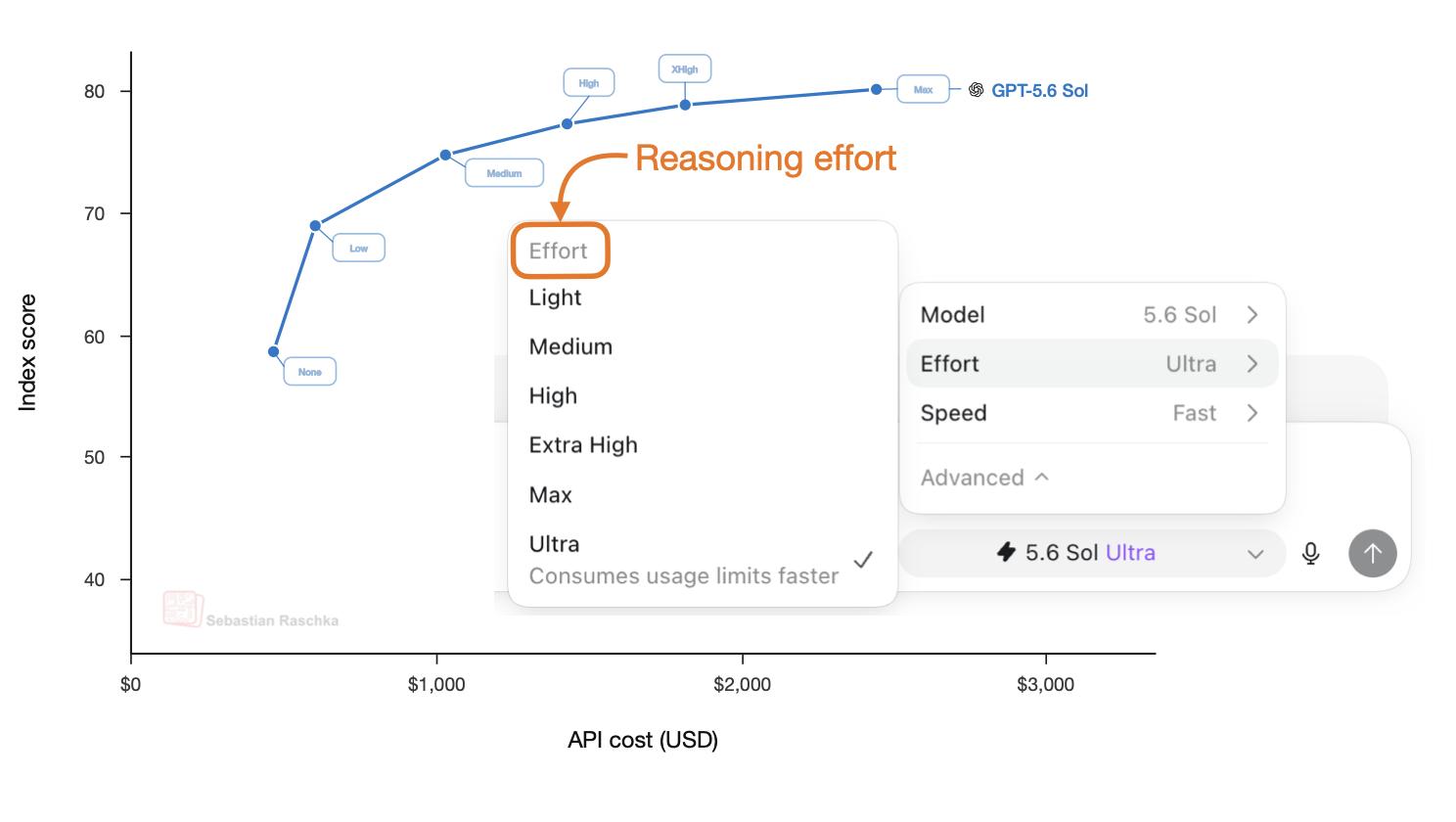
How LLMs Learn Low-, Medium-, and High-Effort Reasoning Modes

Run a reverse face search from one photo. Review source-linked visual matches in confidence order for safer people-search research and identity checks.

Free online tools: JSON formatter, password generator, QR code maker, calculators, converters and more. Fast, private, no login — everything runs in your browser.