Channels

In October 2026, Google begins paying SpaceX $920 million per month. The contract, disclosed in a SpaceX SEC filing, runs through June 2029 and buys access to approximately 110,000 Nvidia GPUs, CPUs, memory, and related components. At that rate, the full contract is worth roughly $30 billion. What Google is buying is not a model, not a product, not a research programme. It is hardware capacity, secured years in advance, at a price that eliminates flexibility. That is not how you invest in a technology. It is how you acquire a scarce physical asset before someone else does.

In this article, we explore how to bring AI into production while keeping token costs under control, ensuring the cost-benefit equation stays favorable and delivers real business value.

For as long as there have been tests in schools, students have found ways to cheat, whether its peeking over a classmate’s shoulder or scribbling notes on a palm or crib sheet.
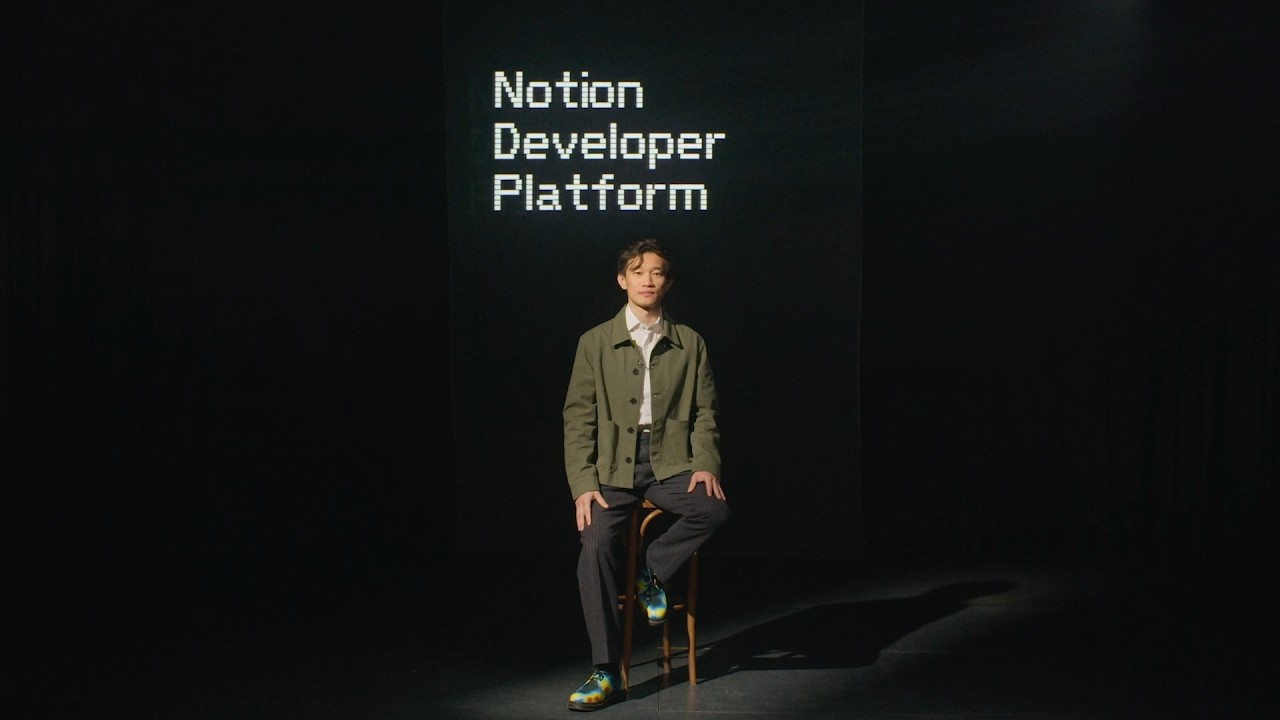
Sync any data source. Build any agent tool. Orchestrate any agent. No infra required. One shared canvas for your team and agents to work together.
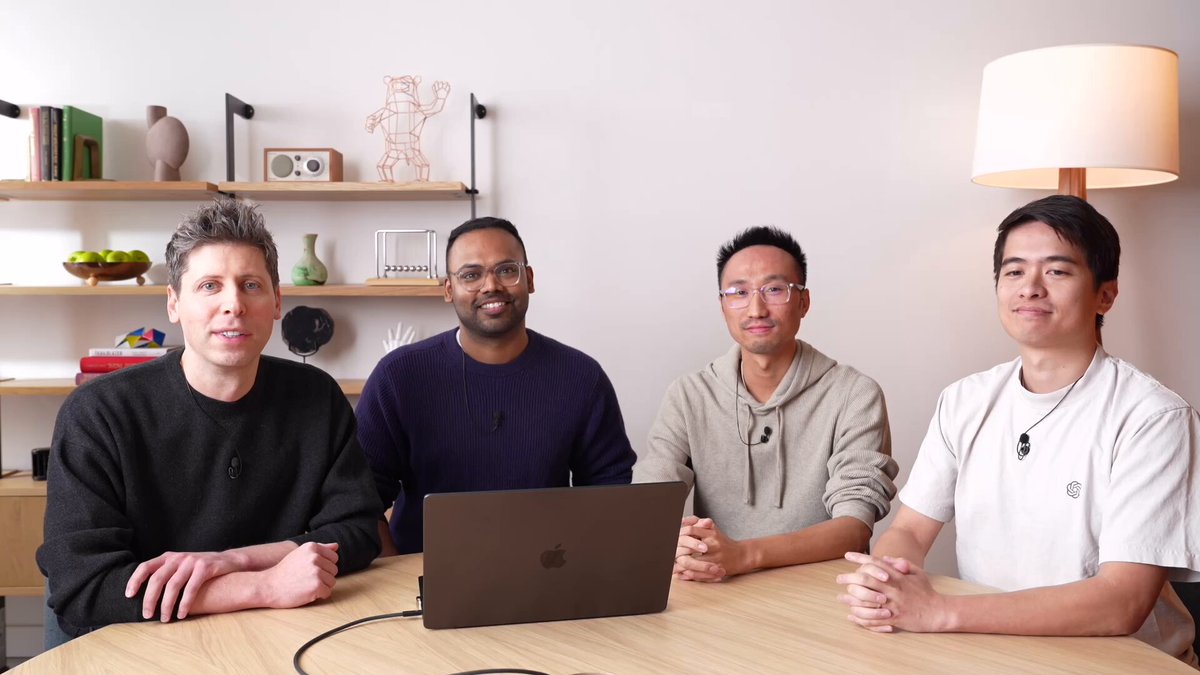
Personal website.

Having played both parts in the kabuki play that is employee-employer matchmaking, I feel the way we play it is a zero-sum game. I wish it were not so. When this post started life in 2024, as a wall of text chat message, it was brutal out there, on both sides of the software industry interview table. The ZIRP had ended. As of 2026, post-ZIRP reality has properly set in and remains bad ("AI" is a Fig Leaf (Enterprise Edition) for structural damage they self-inflicted, and if you look at Hyperscaler GPU depreciation schedules, they are making it order-of-magnitude worse). Set to that backdrop, here is a hopefully hopeful hiring anecdote where I think we avoided the so-called "Secretary Problem", framed within Optimal Stopping Theory. It can be done. Non-zero-sum hiring ought to be default-mode for any industry, AI or no AI.