Channels
Your agents leave trails. vaportrail reads them — a local-first flight recorder for AI coding agent sessions. - B33BMO/vaportrail
Type your address. Find out if tonight's Red Flag Warning applies to you. Free, no signup.
Welcome to Allegro! Allegro is a cross-platform library mainly aimed at video game and multimedia programming. It handles common, low-level tasks such as creating windows, accepting user input, loading data, drawing images, playing sounds, etc. and generally abstracting away the underlying platform. However, Allegro is not a game engine: you are free to design and structure your program as you like. Allegro 5 has the following additional features: Supported on Windows, Linux, Mac OSX, iPhone and Android User-friendly, intuitive C API usable from C++ and many other languages Hardware accelerated bitmap and graphical primitive drawing support (via OpenGL or Direct3D) Audio recording support Font loading and drawing Video playback Abstractions over shaders and low-level polygon drawing And more! News 2026-02-09 - Allegro 5.2.11.3 released! This is a new stable release, fixing an ABI regression in introduced in 5.2.11.0. A summary of the changes can be found here. Thanks to the early adopters for helping to find the regressions! You can download the sources and MinGW binaries from GitHub. Additional packages for other platforms are available on the downloads page. 2026-01-04 - Allegro 5.2.11.2 released! This is a new stable release, fixing some regressions in 5.2.11 and 5.2.11.1. A summary of the changes can be found here. Thanks to the early adopters for helping to find the regressions! You can download the sources and MinGW binaries from GitHub. Additional packages for other platforms are available on the downloads page. 2025-12-29 - Allegro 5.2.11.1 released! This is a new stable release, fixing some regressions in 5.2.11. A summary of the changes can be found here. Thanks to the early adopters for helping to find the regressions! You can download the sources and MinGW binaries from GitHub. Additional packages for other platforms are available on the downloads page. 2025-12-24 - Allegro 5.2.11 released! This is a new stable release, containing bug fixes and new features. Some highlighted features include a new joystick (gamepad) system (based on the community SDL controller database) as well as initial support for OpenGL 3+ on MacOS. A summary of the changes can be found here. Thanks to everyone who tested and contributed! You can download the sources and MinGW binaries from GitHub. Additional packages for other platforms are available on the downloads page. 2025-04-20 - Allegro 4 moved to its own repository. We’ve moved Allegro 4 sources to its own repository. Previously (and, in fact, currently) Allegro 4 was placed in a few separate branches in the main Allegro 5 repository. This made it hard to find and cumbersome to use. So, we’ve moved the relevant branches, tags and issues to a separate repository. We’ll probably make a new release so that there is also a “latest” release with the relevant source archives (and also to nominally treat a bit of bitrot). Note that Allegro 4 should still be treated as mostly abandoned, and won’t be receving regular updates. This change is for the convenience of the few remaining users of it, and to enable easier historical exploration of the repository using Github’s tooling. 2024-12-28 - Allegro 5.2.10.1 released! This is a new stable release, containing some fixes to regressions added in 5.2.10. The changes only affect MacOS, as well as the source packages (which were malformed in 5.2.10.0). A summary of the changes can be found here. Thanks to everyone who tested and contributed! You can download the sources and MinGW binaries from GitHub. Additional packages for other platforms are available on the downloads page. 2024-11-27 - Allegro 5.2.10.0 released! This is a new stable release, containing bug fixes, new features and many assorted improvements. A big new change (that affects the offical binaries) is that OpenMPT now the default handler for audio module files, replacing DUMB (although DUMB is still temporarily provided). A summary of the changes can be found here. Thanks to everyone who tested and contributed! You can download the sources and MinGW binaries from GitHub. Additional packages for other platforms are available on the downloads page. 2024-01-19 - Allegro 5.2.9.1 released! This is a patch release for 5.2.9.1, fixing a Linux-only regression (thanks to Steve Fosdick for finding it and providing the initial fix). A summary of the changes can be found here. You can download the sources and MinGW binaries from GitHub. Additional packages for other platforms are available on the downloads page. 2023-11-25 - Allegro 5.2.9 released! After a lot of delays, a new stable release of Allegro is upon us! There were a lot of bug fixes, and a small number of API improvements. Thanks to all users who reported issues, filed feature requests and especially those that sent in pull requests. A summary of the changes can be found here. You can download the sources and MinGW binaries from GitHub. Additional packages for other platforms are available on the downloads page. 2022-08-14 - Allegro has a discord server! Some members of the community set up a discord server as a more modern alternative to the IRC #allegro channel and allegro.cc forums. Rest assured, the IRC channel isn’t going away, but it is nice to have options for those not wanting to deal with IRC limitations. Join it here! 2022-06-05 - Allegro 5.2.8 released! This is a stable release of Allegro. This release includes many important bug fixes and exciting new features. Also, for the release we added an examples section to the website, which contains runnable (via Emscripten) Allegro examples. You can download it from GitHub. Additional packages for other platforms are available on the downloads page. The reference manual is available online, as is the list of changes. We would like to thank everyone who has contributed to Allegro during all these years, not only the developers, but the users who have tested pre-releases, reported bugs and submitted patches. 2021-03-07 - Allegro 5.2.7 released! This is a stable release of Allegro. This release includes many important bug fixes and exciting new features. Also, for the release we added an examples section to the website, which contains runnable (via Emscripten) Allegro examples. You can download it from GitHub. Additional packages for other platforms are available on the downloads page. The reference manual is available online, as is the list of changes. We would like to thank everyone who has contributed to Allegro during all these years, not only the developers, but the users who have tested pre-releases, reported bugs and submitted patches. 2020-02-09 - Allegro 5.2.6 released! This is a stable release of Allegro. This release includes many important bug fixes and exciting new features. You can download it from GitHub. Additional packages for other platforms are available on the downloads page. The reference manual is available online, as is the list of changes. We would like to thank everyone who has contributed to Allegro during all these years, not only the developers, but the users who have tested pre-releases, reported bugs and submitted patches. 2019-03-03 - Allegro 4.4.3.1 released! This is a bugfix release of the legacy version Allegro. This release fixes a small regression in the 4.4.3 release. You can download it from GitHub. The reference manual is available online, as is the list of changes. We would like to thank everyone who has contributed to keeping Allegro 4.x functioning during all these years. It might not be the newest and shiniest version 5, but it still holds a special place in our hearts. 2019-02-25 - Allegro 5.2.5 released! This is a stable release of Allegro. This release includes many important bug fixes and exciting new (unstable) features. You can download it from GitHub. Additional packages for other platforms are available on the downloads page. The reference manual is available online, as is the list of changes. We would like to thank everyone who has contributed to Allegro during all these years, not only the developers, but the users who have tested pre-releases, reported bugs and submitted patches. 2019-02-03 - Allegro 4.4.3 released! This is a bugfix release of the legacy version Allegro. This release includes a number of bug fixes to make it work better with modern systems. You can download it from GitHub. The reference manual is available online, as is the list of changes. We would like to thank everyone who has contributed to keeping Allegro 4.x functioning during all these years. It might not be the newest and shiniest version 5, but it still holds a special place in our hearts. 2018-02-25 - Allegro 5.2.4 released! This is a stable release of Allegro. This release includes many important bug fixes and exciting new (unstable) features. You can download it from GitHub. Additional packages for other platforms are available on the downloads page. The reference manual is available online, as is the list of changes. We would like to thank everyone who has contributed to Allegro during all these years, not only the developers, but the users who have tested pre-releases, reported bugs and submitted patches. 2017-10-10 - Allegro 5.2.3 released! This is a stable release of Allegro. This release includes many important bug fixes and exciting new (unstable) features. You can download it from GitHub. Additional packages for other platforms are available on the downloads page. The reference manual is available online, as is the list of changes. We would like to thank everyone who has contributed to Allegro during all these years, not only the developers, but the users who have tested pre-releases, reported bugs and submitted patches. 2017-05-04 - Allegro on TuxFamily! The Allegro project’s developer mailing list and some downloads are now hosted on TuxFamily. A big thank you to them. The rest (namely, the release archives and binaries) have been moved to GitHub. 2016-12-12 - Allegro 5.2.2 released! This is a stable release of Allegro. This release includes many important bug fixes and exciting new (unstable) features. You can download it from GitHub. Additional packages for other platforms are available on the downloads page. The reference manual is available online, as is the list of changes. We would like to thank everyone who has contributed to Allegro during all these years, not only the developers, but the users who have tested pre-releases, reported bugs and submitted patches. 2016-08-13 - Allegro 5.2.1.1 released! This is a patch release of for Allegro 5.2.1. This release fixes a few API regressions found in 5.2.1 release. You can download it from GitHub. Additional packages for other platforms are available on the downloads page. The reference manual is available online, as is the list of changes. We would like to thank everyone who has contributed to Allegro during all these years, not only the developers, but the users who have tested pre-releases, reported bugs and submitted patches. 2016-07-31 - Allegro 5.2.1 released! This is a stable release of Allegro. This release includes many important bug fixes and exciting new (unstable) features. You can download it from GitHub. Additional packages for other platforms are available on the downloads page. The reference manual is available online, as is the list of changes. We would like to thank everyone who has contributed to Allegro during all these years, not only the developers, but the users who have tested pre-releases, reported bugs and submitted patches. 2016-04-01 - Allegro 5.2.0 released! After many years of development in the unstable branch, the next stable version of Allegro is ready for release! This version brings most of the features from the unstable branch, but now with a guarantee of backwards source and ABI compatibility. Allegro 5.2 is source but not binary compatible with 5.0. Allegro 5.2 is developed a little differently than 5.0 and 5.1 were. This version combines both unstable and stable APIs in one branch. The unstable branch is no more! Unstable APIs may be changed between versions, or even removed entirely. Because of this, to use them you must opt into this instability by defining ALLEGRO_UNSTABLE definition before including Allegro’s headers. Combining the two branches will result in more rapid bug fixes and faster addition of new features. You can download it from GitHub. Additional packages for other platforms are available on the downloads page. The reference manual is available online, as is the list of changes. We would like to thank everyone who has contributed to Allegro during all these years, not only the developers, but the users who have tested pre-releases, reported bugs and submitted patches. 2016-03-27 - Allegro now developed on the master branch. Allegro’s development has moved from ‘5.1’ branch to the ‘master’ branch. Update your clones and scripts which pull the development version accordingly! 2016-02-28 - Allegro 5.1.13.1 (WIP) released! This is a bug fix release for 5.1.13 which fixes a regression that only appears when Allegro is compiled with MSVC compiler. If you are using a different compiler then there is no need to upgrade. You can download it from GitHub. Additional packages for other platforms are available on the downloads page. The reference manual is available online, as is the list of changes. 2016-01-24 - Allegro 5.1.13 (WIP) released! This is a Work-In-Progress (WIP) release of the unstable 5.1 branch. The 5.1 branch is source compatible, but not binary compatible, with the stable 5.0 branch. It contains provisional new features which are subject to change at any time. You can download it from GitHub. Additional packages for other platforms are available on the downloads page. The reference manual is available online, as is the list of changes. 2015-12-23 - Allegro on NuGet! Allegro is now packaged by NuGet! Currently only MSVC 2015 is supported, but stay tuned as we figure out what set of platforms and build types to support. Follow the tutorial here to test it out. 2015-09-29 - Allegro 5.1.12 (WIP) released! This is a Work-In-Progress (WIP) release of the unstable 5.1 branch. The 5.1 branch is source compatible, but not binary compatible, with the stable 5.0 branch. It contains provisional new features which are subject to change at any time. You can download it from GitHub. Additional packages for other platforms are available on the downloads page. The reference manual is available online, as is the list of changes. We encourage users to test 5.1 releases and report bugs, but remember that they do not provide the stability of 5.0 releases. 2015-08-15 - Allegro on Gna! The Allegro project’s downloads and developer mailing list are now hosted on Gna!. A big thank you to them. 2015-07-31 - Allegro’s GIT repository is now hosted at GitHub. We have moved our official GIT repository over to GitHub. Check it out at https://github.com/liballeg/allegro5. See the GIT page for more details. Pull requests welcome! 2015-06-21 - Allegro 5.1.11 (WIP) released! This is a Work-In-Progress (WIP) release of the unstable 5.1 branch. The 5.1 branch is source compatible, but not binary compatible, with the stable 5.0 branch. It contains provisional new features which are subject to change at any time. You can download it from SourceForge. Additional packages for other platforms are available on the downloads page. The reference manual is available online, as is the list of changes. We encourage users to test 5.1 releases and report bugs, but remember that they do not provide the stability of 5.0 releases. 2015-05-05 - Allegro 5.1.10 (WIP) released! This is a Work-In-Progress (WIP) release of the unstable 5.1 branch. The 5.1 branch is source compatible, but not binary compatible, with the stable 5.0 branch. It contains provisional new features which are subject to change at any time. You can download it from SourceForge. This is a first release in a long time to provide Windows binaries. Additional packages for other platforms will also be available in the coming days. See the Download page for details. The reference manual is available online, as is the list of changes. We encourage users to test 5.1 releases and report bugs, but remember that they do not provide the stability of 5.0 releases. 2015-04-12 - Ubuntu PPAs now available. For convenience to our Ubuntu users (and those using distributions based on Ubuntu) we now maintain two PPAs. You can use these to install binary and development packages of Allegro 5 stable and unstable releases. Check out the bottom of the downloads section for the links. 2015-04-07 - A new book about Allegro has been published! A book introducing game programming using Allegro 5 has recently been written by Frédéric Drouillon, titled Allegro 5 - Programmation de jeux en C ou C++. This book is available in French, and will surely be a great read for the French-speaking Allegro 5 users. For others, the code samples available for download on the publisher’s website should be of interest as well. Check out the books section for more information. 2015-01-11 - Allegro 5.0.11 released! This is a maintenance release for the stable 5.0 branch, with bug fixes and a few new features. You can download it from SourceForge. The reference manual is available online, as is the list of changes. 2015-01-03 - Allegro 5.1.9 (WIP) released! This is a Work-In-Progress (WIP) release of the unstable 5.1 branch. The 5.1 branch is source compatible, but not binary compatible, with the stable 5.0 branch. It contains provisional new features which are subject to change at any time. You can download it from SourceForge. The reference manual is available online, as is the list of changes. We encourage users to test 5.1 releases and report bugs, but remember that they do not provide the stability of 5.0 releases. 2014-05-31 - Go bindings to Allegro created! Damien Radtke has created Go programming language bindings to Allegro 5.0.10. Check them out at GitHub. 2014-01-12 - Allegro 5.1.8 (WIP) released! This is a Work-In-Progress (WIP) release of the unstable 5.1 branch. The 5.1 branch is source compatible, but not binary compatible, with the stable 5.0 branch. It contains provisional new features which are subject to change at any time. You can download it from SourceForge. The reference manual is available online, as is the list of changes. We encourage users to test 5.1 releases and report bugs, but remember that they do not provide the stability of 5.0 releases. 2013-06-16 - Allegro 5.0.10 released! This is a maintenance release for the stable 5.0 branch, with bug fixes and a few new features. You can download it from SourceForge. The reference manual is available online, as is the list of changes. 2013-05-12 - Allegro 5.1.7 (WIP) released! This is a Work-In-Progress (WIP) release of the unstable 5.1 branch. The 5.1 branch is source compatible, but not binary compatible, with the stable 5.0 branch. It contains provisional new features which are subject to change at any time. You can download it from SourceForge. The reference manual is available online, as is the list of changes. We encourage users to test 5.1 releases and report bugs, but remember that they do not provide the stability of 5.0 releases. 2013-03-24 - Allegro 5.1.6 (WIP) released! This is a Work-In-Progress (WIP) release of the unstable 5.1 branch. The 5.1 branch is source compatible, but not binary compatible, with the stable 5.0 branch. It contains provisional new features which are subject to change at any time. You can download it from SourceForge. The reference manual is available online, as is the list of changes. We encourage users to test 5.1 releases and report bugs, but remember that they do not provide the stability of 5.0 releases. 2013-02-17 - Allegro 5.0.9 released! This is a maintenance release for the stable 5.0 branch, with bug fixes and a few new features. You can download it from SourceForge. The reference manual is available online, as is the list of changes. 2013-01-13 - Allegro 5.1.5 (WIP) released! This is a Work-In-Progress (WIP) release of the unstable 5.1 branch. The 5.1 branch is source compatible, but not binary compatible, with the stable 5.0 branch. It contains provisional new features which are subject to change at any time. You can download it from SourceForge. The reference manual is available online, as is the list of changes. We encourage users to test 5.1 releases and report bugs, but remember that they do not provide the stability of 5.0 releases. 2012-11-18 - Allegro 5.0.8 released! This is a maintenance release for the stable 5.0 branch, with bug fixes and a few new features. You can download it from SourceForge. The reference manual is available online, as is the list of changes. 2012-10-14 - Allegro 5.1.4 (WIP) released! This is a Work-In-Progress (WIP) release of the unstable 5.1 branch. The 5.1 branch is source compatible, but not binary compatible, with the stable 5.0 branch. It contains provisional new features which are subject to change at any time. You can download it from SourceForge. The reference manual is available online, as is the list of changes. We encourage users to test 5.1 releases and report bugs, but remember that they do not provide the stability of 5.0 releases. 2012-08-12 - Allegro 5.1.3 (WIP) released! This is a Work-In-Progress (WIP) release of the unstable 5.1 branch. The 5.1 branch is source compatible, but not binary compatible, with the stable 5.0 branch. It contains provisional new features which are subject to change at any time. You can download it from SourceForge. The reference manual is available online, as is the list of changes. We encourage users to test 5.1 releases and report bugs, but remember that they do not provide the stability of 5.0 releases. 2012-07-04 - Switched to GIT! As probably one of the last projects, we finally made the switch from SVN to GIT for version control. Please see that page for details. 2012-06-24 - Allegro 5.0.7 released! This is a bug fix release for the stable 5.0 branch. You can download it from SourceForge. The reference manual is available online, as is the list of changes. 2012-05-27 - Allegro 5.1.2 (WIP) released! This is a Work-In-Progress (WIP) release of the unstable 5.1 branch. The 5.1 branch is source compatible, but not binary compatible, with the stable 5.0 branch. It contains provisional new features which are subject to change at any time. You can download it from SourceForge. The reference manual is available online, as is the list of changes. We encourage users to test 5.1 releases and report bugs, but remember that they do not provide the stability of 5.0 releases. 2012-03-04 - Allegro 5.0.6 released! This is a maintenance release for the stable 5.0 branch, with a number of new features and bug fixes. You can download it from SourceForge. The reference manual is available online, as is the list of changes. 2012-02-12 - Allegro 5.1.1 (WIP) released! This is a Work-In-Progress (WIP) release of the unstable 5.1 branch. The 5.1 branch is source compatible, but not binary compatible, with the stable 5.0 branch. It contains provisional new features which are subject to change at any time. You can download it from SourceForge. The reference manual is available online, as is the list of changes. We encourage users to test 5.1 releases and report bugs, but remember that they do not provide the stability of 5.0 releases. Do you want to read older news? Then follow this link.
The company changed course after researchers spoke out against the policy, which would have covertly limited Claude’s ability to develop competing AI models.

In what's partly an effort to push back against domain seizures and blocking efforts, Z-Library has upgraded its mirror infrastructure.
Garden-inspired visuals and optional music for your most heartfelt letters.

MiMo-V2.5-Pro-UltraSpeed from Xiaomi blows past the speed threshold custom silicon companies spent years building toward—on regular GPUs.


The Data Detective at the Carnival, by Chandra Donelson Through an engaging storyline and relatable characters, this book is perfect for parents to read with their children and introduce them to fundamental data literacy skills. Our goal is to get 5,000 copies in the hands of children. Here are how many that are remaining: If you are a teacher or educator who would like The Data Detective for your students but lack the budget, fill out this form and we will do our best to match you with a sponsor who will cover the cost of the books for your classroom. We know this book is so valuable for kids! Please complete the form below and let us know your budget or how many books you’d like to sponsor. Then we will match you with a classroom or educator in need and ensure that the books get to little ones all across the world! Meet William, a curious little boy who dreams of becoming a data detective like his mom, who is part of an elite force of data nerds. But there’s a twist! Before William can join the ranks, he must prove himself by completing a series of missions. His journey begins at the lively carnival, where he must solve several problems. Can William use his skills to earn his first badge? Through an engaging storyline and relatable characters, this book is perfect for parents to read with their children and introduce them to fundamental data literacy skills. Join William on this captivating adventure as he discovers the true data detective within! Chandra Donelson is an entrepreneur, innovator, and speaker. Beyond her entrepreneurial and philanthropic pursuits, Chandra is a career civil servant known for breaking barriers and challenging the status quo. She is deeply committed to inspiring and empowering the next generation of thought leaders, particularly those from minority backgrounds. Following her recognition with the “Women of Color STEM Conference Rising Star” award, her work has focused on uplifting disadvantaged communities, creating pathways for success, and driving social impact.

A continuation of my reporting on the National Design Studio and the proliferation of .gov sites it has registered to the executive branch.
We are sharing two policy proposals to prepare for AI progress: Our Advanced AI Framework and our Economic Policy Framework.
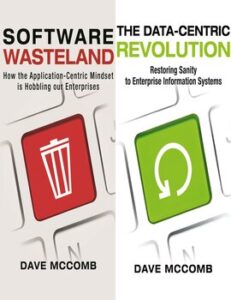
The Data-Centric Revolution: Restoring Sanity to Enterprise Information Systems Shift from application-centric to data-centric to enable your organization to develop more efficient and successful Enterprise Information Systems. Software Wasteland: How the Application-Centric Mindset is Hobbling our Enterprises Know what’s causing application development waste so you can turn the tide. Waste in the information systems industryIndustries that clean up the wasteA thought experiment on wasteHow to spend a billion dollars on a million-dollar system How to think about information systems resourcesHow information system costs really behave DependencyRedundancyComplexityApplication centricity and complexity math Relational databasesERP systemsEnterprise data modelingService-oriented architecture and APIsAgileData warehouse and business intelligenceOutsourcing and offshoringCloudSoftware as a Service (SaaS)Data lakesMachine learning and artificial intelligence Fallacy # 1: Detailed requirementsFallacy # 2: Reinvent the wheelFallacy # 3: Construction analogyFallacy # 4: Estimation by analogyFallacy # 5: One neck to chokeFallacy # 6: Portfolio managementFallacy # 7: Not in the IT business How the quagmire looks for governmentThe death and rebirth of the software industryTwo industries under siegeOutsourcingOffshoringThe new platform vendorsHow application centricity robs productivity AssessmentStarting to extricate yourself This movement requires executive sponsorshipIf you are not an executive Data-centric vs. Data-drivenWe need our applications to be ephemeralData-centric is designed with data sharing in mindThe Data-Centric visionEvolve-ableSpecialize-ableSingle but federatedEnterprise app storeIncludes all types of dataThe economics of the end game What it requiresInertial resistanceOvert and covert resistanceWhat it doesn’t requireThis is a program, not a projectThe transition requires discipline and consistencyThe IT fashion industryIs the Data-Centric approach a fad?Can Data-Centric methods benefit from other fads?From Fad Surfing to New DisciplineNew modeling disciplineNew delivery architecture The status quo is getting exponentially worseCode creates maintenanceComplexity creates high priestsApplication-centricity creates silosSilos create the need for integrationLegacy creates entrenchmentInflexibility creates shadow ITMega projects create mega failuresWhere application complexity comes fromA case example in complexitySeparation and isolationHumans in the loopThe negative network effectComplexity math and the way out of the quagmire It’s the data, stupidTask-centric is a trapIt’s the stupid dataThe “what if” view on Data-Centric methodsFewer modelsSimpler modelsIntegration almost for freeMore flexibility Paradigm shiftThe original paradigm shiftHow new ideas take holdRound earthHeavier than air flightScurvyHand washing before the germ theoryNon-linear changeWho is not going to help with your transformation?Digital transformationThe herdSocial proofIncentives When Linked Data becomes Data-CentricSeparating meaning from structureA single structure for expressing all dataGraph databases (triple stores) for structuresRDF Resource Description FrameworkGlobal identifiersDealing with non-unique but unambiguous IDsSelf-assembling dataResolvable IDsFollow your noseQuerying a triple storeLinked data Metadata is triples as wellFormal definitionsSelf-describing dataSchema laterOpen worldLocal constraintsCurated and uncurated dataOntologiesModularity and reuseSelf-policing dataComputable modelsIntegration with relationalIntegration with big dataNatural language processingSemantic standards stack Isn’t software a good thing?How much code do we have?How much do we need?Where does it all come from? Reducing schema complexityReducing schema varietyMaking possible massive reuseWriting to a subset of the schemaCode reduction through integration elimination Model-driven developmentLow-code and No-codeDeclarative codeModel-driven constraints and validationModel-driven ConstraintsModel-driven UIModel-driven identity managementModel-driven security Big dataData lakesCloudNLPRule-based systemsMachine learningMicroservicesKafkaInternet of thingsSmart contracts Accessing your current situationA small coreGetting to self-funding Think big and start smallEnterprise ontologyGist as a starting point for your ontologyPilots, not POCsTrue contingenciesCorporate antibodiesFederated developmentAn enterprise knowledge graph The new approach becomes “hot”The executive’s role in piloting the changeA kinder/ gentler voluntary governance structureGood, better, bestTBox, CBox, ABoxShare the learningData-centric maturity This is the book your Systems Integrator and your Application Software vendor don’t want you to read. Enterprise IT (Information Technology) is a $3.8 trillion per year industry worldwide. Most of it is waste. We’ve grown used to projects costing tens of millions or even billions of dollars, and routinely running over budget and schedule many times over. These overages in both time and money are almost all wasted resources. However, the waste is hard to see, after being so marbled through all the products, processes, and guiding principles. That is what this book is about. We must see, understand, and agree about the problem before we can take coordinated action to address it.The trajectory of this book is as follows: This book is the first part of a trilogy to follow Software Wasteland. In Software Wasteland, we detailed the current poor state of application software development. We offered some tactical advice for reducing some of the worse of the excess. This is the first book in the “what to do instead” trilogy. “Even if the thought of data modeling makes you cringe, Dave McComb’s latest book makes the case that it is a necessary exercise for the data-driven organization. The ‘Data-Centric Revolution’ shows how to be data-driven in an extensible, flexible way that is baked-into organizational culture, rather than taking a typical project-by-project approach. The book is a fun, insightful and meaty read, well-illustrated, and with endless wonderful examples.”Doug Laney, Principal, Data & Analytics Strategy, Caserta, and author of the best-seller, “Infonomics: How to Monetize, Manage, and Measure Information for Competitive Advantage” “Dave McComb has laid out a roadmap to travel the exciting path towards data centricity. Dave’s passion for semantic modeling is contagious and his expert advice will give you the motivation to rethink application development and the direction needed to deliver value in your organization with linked data.”Nic Seyot, Executive Director, Information Management at a major investment bank “In his new book, Dave teaches us why most of the stack we’ve spent decades trying to maintain is just a big, unmanageable pile of duplicative, inflexible code. He shows us how to collapse the stack and blend the logic and data each business needs to thrive, in one contextually rich, machine readable, dynamic, smart data layer. The bloated app and process layers of the stack go away, leaving a thin execution layer calling on the power of the smart data underneath. After ‘Software Wasteland’ explained the problem, ‘The Data-Centric Revolution’ articulates the solution.”Alan Morrison, Sr. Research Fellow, New Services and Emerging Tech, PwC From the age of punched cards to today’s internet-driven systems, one thing has stayed fairly constant: software vendors and their implementers have been driving the Enterprise IT industry. This is changing. It will be hard to see initially, but it’s already happening in some more prescient organizations. As organizations realize they can take control of their own destiny by adopting data-centric principles, they will see their dependency on application software wither. The cost of running internal information systems will drop at least ten-fold, and the cost of integrating them will drop even more rapidly. This will decimate the $400 billion/ year application software industry and the $400 billion/year systems integration industry. The benefit will accrue to the buyers, and will accrue earliest to the first movers.The trajectory of this book is as follows: Dave McComb is the President and co-founder of Semantic Arts, a consulting firm that helps organizations uncover the meaning in the data from their information systems. For 18 years, Semantic Arts has helped firms of all sizes in this endeavor, including Procter & Gamble, Goldman Sachs, Schneider-Electric, Lexis Nexis, Dun & Bradstreet and Morgan Stanley. Prior to Semantic Arts, Dave co-founded Velocity Healthcare, where he developed and patented the first fully model driven architecture. Prior to that, he was part of the problem.